The Story
Why it exists.
The beginning
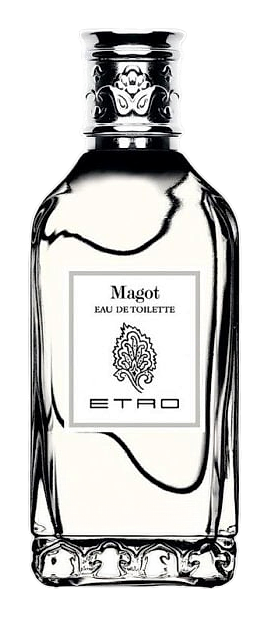
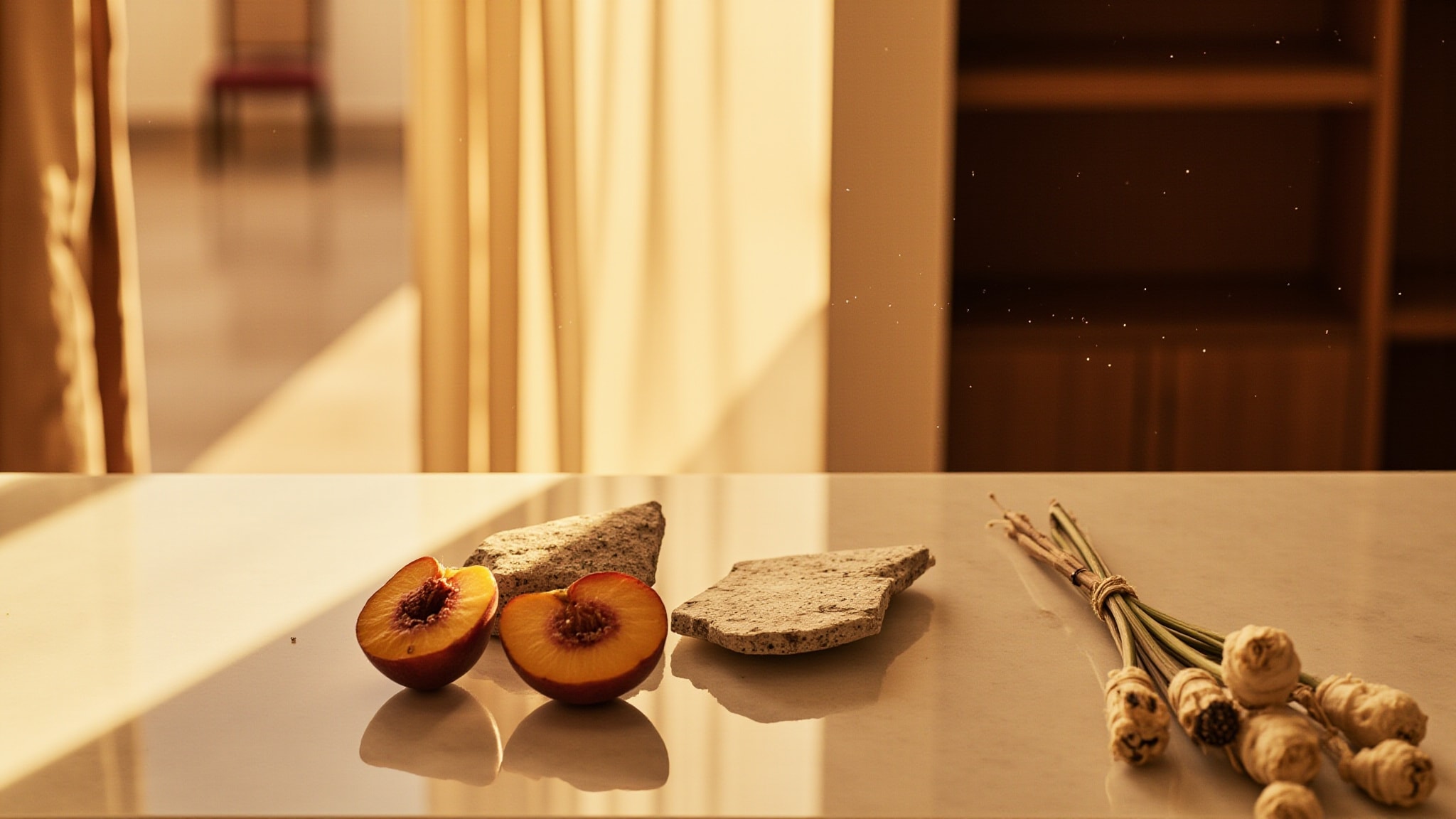
Magot arrived in 1996, and it wears the particular temperament of a house that thinks in textiles even when it's working in scent. The composition is a floral-spicy one, built around iris, peach and lavender rather than the bolder spice-and-woods territory that often dominates the Etro shelf. There's nothing obvious about it, no single note shouting for attention, and that's part of why it lingers in memory. The name itself is French, and it carries the slightly conspiratorial air of something tucked away in a drawer, meant to be discovered rather than displayed. The peach gives it a soft, almost edible warmth at the heart, while the lavender keeps the opening honest and cool. The iris grounds the whole thing in that powdery, rooty register that orris devotees know well.
There's a tension between cool and warm that runs through the entire pyramid of Magot, and it's what makes the fragrance feel considered rather than decorative. The lavender and bergamot top reads bright, almost medicinal in the way good barbershop lavender can be, but the peach underneath refuses to stay crisp. It goes soft, almost velvety, before the iris gets a chance to powder it down. Then the violet leaf and rose arrive not as a bouquet but as a single dusty gesture. The base, cedarwood and patchouli layered against sandalwood and vanilla, keeps the whole thing from floating away.
The evolution
The first twenty minutes belong to bergamot and lemon, sharp enough to cut through anything. Lavender joins quickly, giving the citrus an herbal backbone instead of letting it stay simple. By the thirty-minute mark, peach has melted into the mix and the composition shifts toward the heart. Violet leaf, iris, tuberose and rose arrive together, but not as a conventional bouquet. The iris dominates, cool and slightly rooty, like orris powder before it becomes a face cream. Tuberose lurks underneath, creamy and just barely indolic, the kind of indolic that whispers rather than announces. Rose appears as a suggestion rather than a statement, more in the way it textures the composition than anything you can pick out individually. Over the next two hours the whole structure settles.
Cultural impact
Magot wears like a perfume for someone who treats their wardrobe the way they treat their bookshelf, with care and a certain private pleasure. It shares powdery iris territory with other fragrances of its register, though it comes from a less obvious corner of the market. Production has apparently been discontinued, which means the bottles that survive carry a particular weight for anyone who knew the composition in its time. There's no performance here, no loud revival campaign, just the quiet persistence of a fragrance that found its people and stayed with them.