The Story
Why it exists.
The beginning
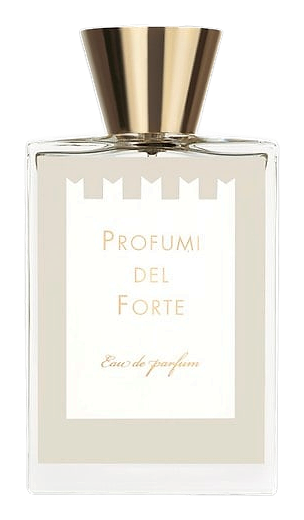
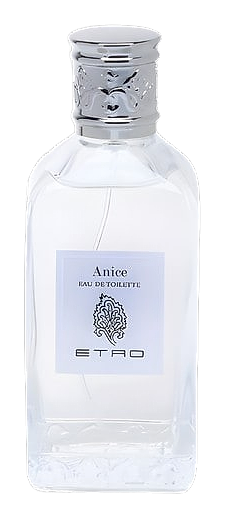
Anice arrived in 2004 from perfumer Jacques Flori. Star anise is the ingredient that anchors the entire composition, delivering a sharp, almost medicinal clarity that dominates the opening. Against this stands a softer, powdery floral heart that tempers the intensity and adds nuance. The overall effect is bold and layered, with each note announcing itself clearly before yielding to the next. It's a composition that commits to an unusual idea and follows through, building a fragrance where edible aromatics take center stage alongside more traditional floral elements. The layering feels deliberate and structured, each component given room to speak before the next enters.
What makes Anice structurally interesting is the gap between its opening and its base. Star anise and bergamot open bright and almost clinical, that ouzo sharpness that reads as either refreshing or medicinal depending on your palate. But underneath, the fennel and caraway add a savory, slightly bitter quality that most fragrances avoid entirely. The iris in the heart isn't sweet iris, it's powdery and root-like, bridging the sharp top and the warm base. Then vanilla and musk arrive to soften everything, but the anise never fully disappears. It lingers like a memory of the opening, threading through the drydown. That's unusual. Most fragrances resolve cleanly; Anice keeps one foot in its opening throughout.
The evolution
The opening is immediate: star anise hits first, sharp and almost alcoholic, backed by bergamot's citrus brightness that lifts the intensity without softening it. Then the heart takes over, fennel and caraway arrive together, green and savory, with iris adding a powdery dimension that prevents it from going too medicinal. The jasmine is subtle, more textual than sweet, lending depth rather than florality. By the base, the anise has softened but not disappeared, now wrapped in musk and amber with vanilla adding warmth without sweetness. The drydown is intimate, close to the skin, lingering well past the initial burst. What surprises is that the entire arc, from sharp ouzo opening to warm powdery close, feels coherent, like one continuous story rather than three separate phases. The transitions are smooth enough that you barely notice when one stage ends and another begins.
Cultural impact
Anice attracts those who appreciate unusual, aromatic fragrances. The scent has a devoted following among collectors who seek out its distinctive profile. Wearers respond strongly to the anise opening, whether they embrace it immediately or need time to appreciate its bold character. Those who connect with it describe it as the scent of ouzo in liquid form, a summer night that doesn't apologize for being strange. The fragrance occupies a unique space in the aromatic category, offering something genuinely different from more conventional launches.