
The Story
Why it exists.
The beginning
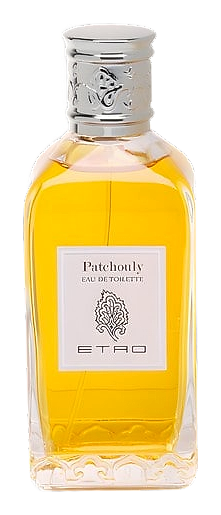
Patchouli has always been a statement note. Earthy, dark, with a certain earth-after-rain depth that demands you mean it. When Etro released Patchouly in 1989, the house was already known for its bold prints and color-rich textiles. The fragrance carried that same sensibility into scent, a composition that doesn't ask permission. The name says everything: this is what I smell like, and I'm not apologizing. Etro treats fragrance as an extension of its textile heritage, building layers of texture and color into every bottle. Patchouly was the house going all in on that philosophy, herbal, woody, warm, and designed to be worn, not tiptoed around.
What makes Patchouly interesting is the structure. The cool, herbal opening, artemisia and bergamot, signals clear intention. The citrus notes aren't decoration; they're the opening act. But the real work happens in the base, where patchouli anchors everything alongside warm amber, cypress, and vanilla. That contrast between the fresh start and the earthy, grounded finish is what makes it work. Etro's approach to fragrance mirrors their textile roots: build in layers, let the textures speak, trust that complexity earns attention.
The evolution
The opening is brisk. Artemisia cuts through with a green, slightly bitter edge, while bergamot adds a bright citrus lift. The Florida orange brings a sweet, sunny counterpoint. This phase lasts maybe 15 minutes, enough to establish intent, not long enough to dwell. The heart develops over the next 2-3 hours. The rose snaps into focus, bright and clear. The geranium adds a green, slightly sweet lift. Underneath, the Mysore sandalwood keeps things warm and grounded. This is the phase that surprises, unexpectedly floral, unexpectedly soft. The drydown lasts 4-6 hours on most skin. The patchouli deepens into something earthy, dark, almost resinous. Cypress adds a dry, coniferous quality. Amber brings warmth and a faint balsamic richness. Vanilla and musk create a creamy warmth that lingers close to the skin. The mint peeks through at the edges, a cool whisper against the warmth.
Cultural impact
Patchouly arrived in 1989 and has since built a dedicated following among those who appreciate an uncompromising patchouli-forward composition. The smoky-spicy character places it firmly in the woody fragrance tradition, and its longevity since launch speaks to how well it carved its own space rather than chasing trends.