Florida orange
Florida oranges yield bright, juicy citrus oil through cold pressing. The oil carries the unmistakable aroma of sun-ripened fruit, combining sweetness with a clean, slightly tart edge that energizes fragrance compositions.

Character
How it smells
Sun-ripened citrus captured at its peak.
The iconic grooming staple Florida Water, dating to 1835, used citrus oils including orange as its aromatic backbone.









Origin
United States
Spanish explorers brought citrus trees to Florida in the 1500s, establishing the first orange groves in what would become a defining agricultural region. By the early 1800s, commercial citrus cultivation had taken root along the St. Johns River, and Florida earned its reputation as Americas citrus capital.
The aromatic tradition built around Florida citrus produced one of the nations most enduring toiletries: Florida Water, a light cologne first formulated around 1835 that combined orange and lemon oils with herbal elements like lavender and rosemary. American consumers adopted Florida Water widely during the Victorian era, and its fresh citrus character made it a daily grooming staple rather than a luxury item. The perfume industry began incorporating Florida orange oil as a primary material once large-scale cultivation made the crop reliably available.
Florida oranges remain a preferred source for perfumers who prize the specific aromatic character that the states warm climate, sandy soil, and abundant sunshine produce in the fruit. Orange blossom cultivation also developed alongside fruit production, supplying neroli for perfumery, though the bright peel oil remains the most recognized contribution to fragrance.
Wears it best
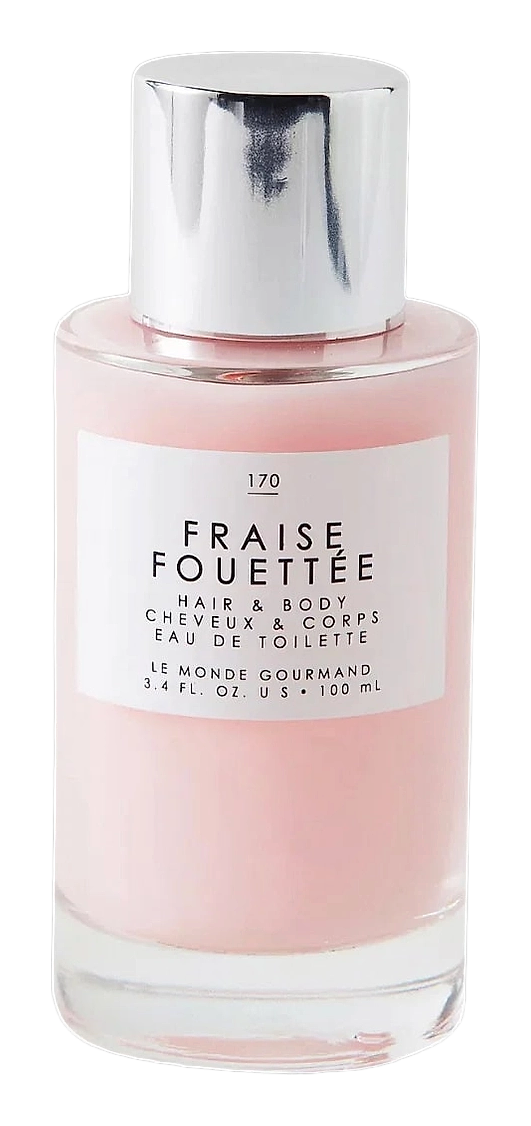
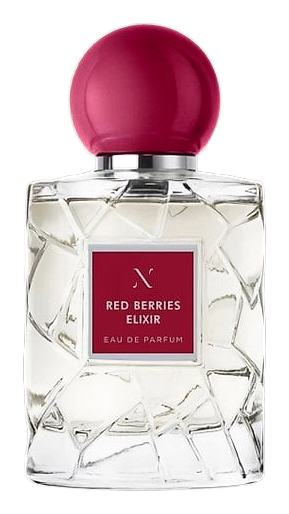
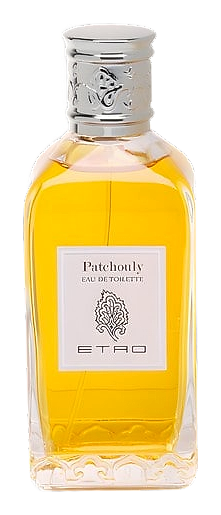
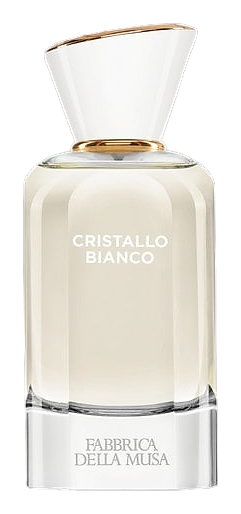
Fragrances featuring Florida orange




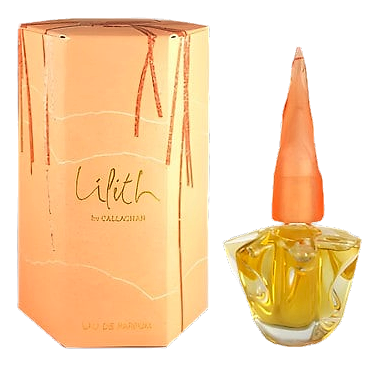
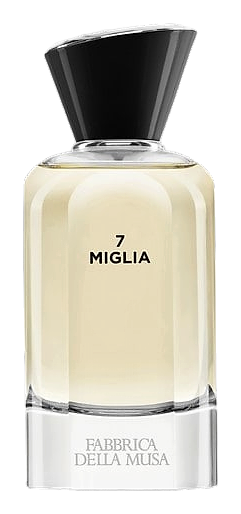
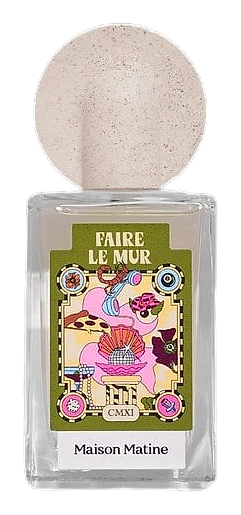

Brands
Brands known for Florida orange
Good to know
Questions, answered
The essentials on Florida orange in perfumery: how it smells, where it comes from, and how it behaves on skin.
Why is Florida considered a premier source for orange oil in perfumery?
Floridas subtropical climate, sandy soils, and extended growing season produce oranges with a distinct aromatic profile. The high d-limonene content and bright, fruity character set Florida orange oil apart from other origins.
How does Florida orange oil differ from Brazilian or Italian orange oil?
Climate and soil create terroir-driven differences in aromatic composition. Brazilian oil tends toward higher sweetness, Italian oil leans more toward bitter complexity, and Florida oil sits in a bright, juicy middle ground favored by many perfumers.
When did Florida Water first appear as a fragrance product?
Florida Water arrived in the early 1800s, first formulated around 1835 as an American alternative to traditional European toilet waters. It used orange and lemon citrus oils as its aromatic core.
Which parts of the orange tree are used in perfumery?
Peel yields the primary cold-pressed oil, but orange blossoms produce neroli (steam-distilled) and petitgrain comes from leaves and twigs. The sweet orange tree supplies more distinct perfumery materials than almost any other citrus species.
How long does orange oil last in a fragrance formula?
Orange oil is a top note with moderate longevity, typically lasting several hours on skin and less in compositions. Its d-limonene content makes it prone to oxidation, so perfumers often use stabilizers and pair it with longer-lasting base materials.
Is Florida orange oil usually blended or used alone in fragrance?
Florida orange oil works as a standalone ingredient and blends readily with other citruses including lemon, bergamot, and grapefruit. It forms a clean, approachable citrus foundation that many modern fragrance families rely on.
Can synthetic orange substitutes replace natural Florida orange oil?
Synthetic orange compounds exist but generally lack the complexity of natural oil. Natural Florida orange oil contains trace molecules beyond its primary d-limonene content that give it a nuanced character synthetic versions have not fully captured.
What extraction method preserves the freshest citrus character in orange oil?
Cold pressing extracts oil without heat, preserving volatile aroma compounds that steam distillation can damage. This makes cold pressing the standard method for capturing fresh, fruity citrus notes in orange oil.