The Story
Why it exists.
The beginning
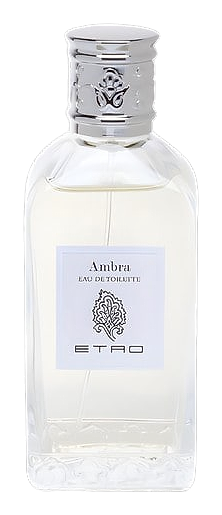
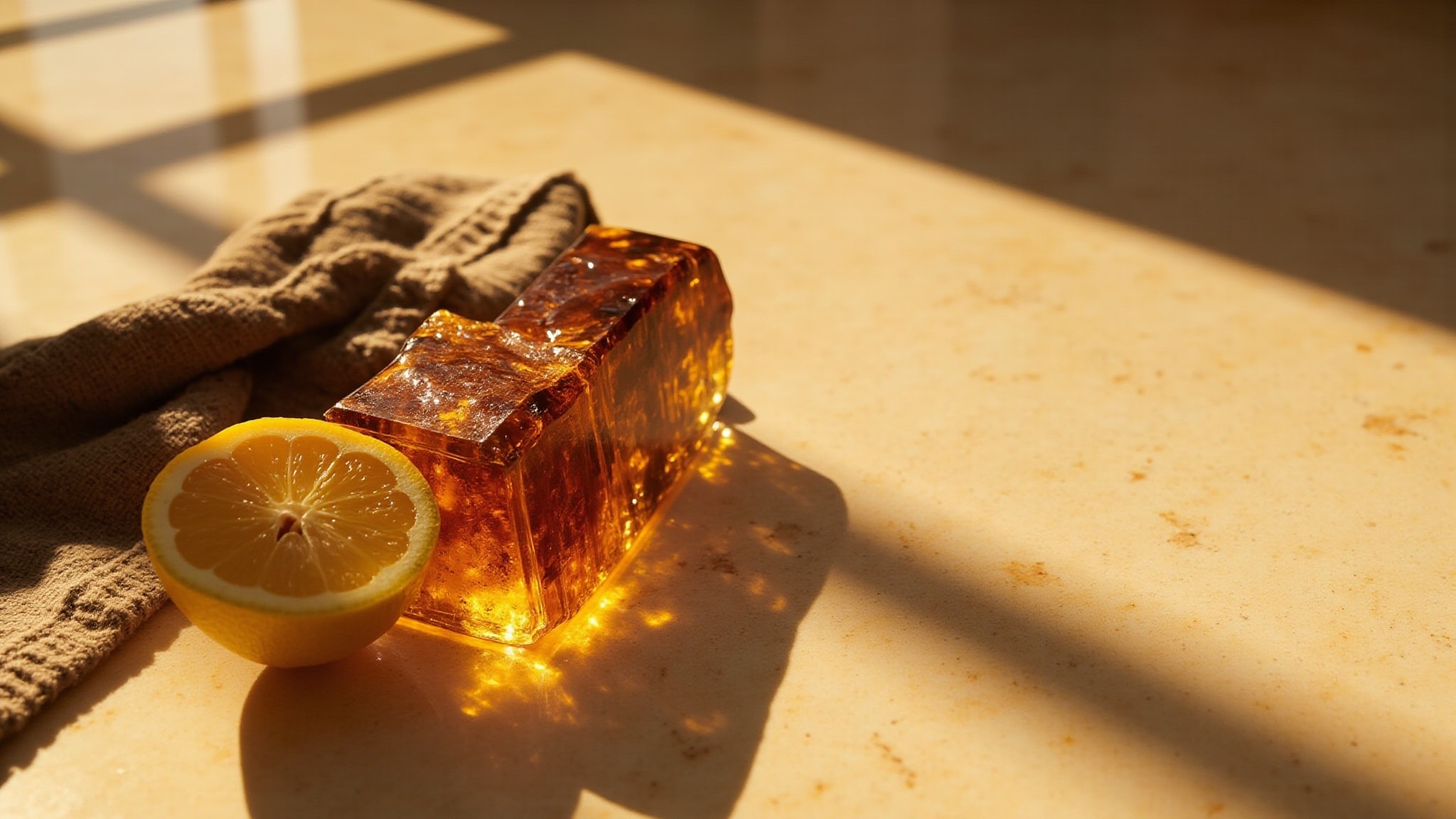
Ambra arrived in 1989 as a fragrance that put amber front and center, not as a supporting note but as the structural spine around which everything else arranges itself. The name itself, Ambra, is the Italian word for amber, and the composition channels the material into something that didn't simply follow the oriental tradition of its era. Rather than chasing trends, it offered a different kind of statement, one built around the resinous, warm quality that amber brings to a formula. The interplay between the amber and the supporting notes creates a composition where the title ingredient feels intrinsic rather than ornamental, shaping the entire experience from opening to drydown.
The pyramid is unusual in its balance. Fir resin and coriander form an opening that reads almost green, almost bitter, before the amber and labdanum arrive to reshape the composition entirely. Styrax adds a smoky, slightly leathery quality that prevents the amber from becoming sweet. Opoponax, a warm, balsamic resin sometimes called sweet myrrh, does the quiet work of connecting the heart to the base, ensuring that the vanilla and musk feel integrated rather than tacked on.
The evolution
The opening arrives bright and clean, lemon and bergamot arriving with citrus clarity, while coriander gives it an aromatic edge that keeps the top notes from feeling polite. The fir resin introduces a slightly medicinal, forest-floor quality that differentiates this from a typical citrus-forward composition. As the heart begins to take over, labdanum and amber arrive together, shifting the fragrance from sharp to warm, from green to resinous. Patchouli adds earthiness without heaviness, grounding the amber rather than amplifying it. The styrax emerges as the composition settles, bringing a smoky, almost leathery dimension that feels like the scent taking a breath. The drydown continues the evolution as vanilla and opoponax lead, with musk providing the close skin feeling that makes this fragrance feel intimate rather than projecting.
Cultural impact
Ambra occupies a specific position in the Etro fragrance portfolio. Launched in 1989, it offers an amber-forward approach that stands apart from many of its contemporaries. Some wearers who return to it describe it as a fragrance that showed them a scent could feel like a place rather than just a collection of notes. The drydown in particular invites this kind of interpretation, with the amber and vanilla creating a warmth that lingers close to the skin. It carries a quieter presence than some of the brand's later releases, something more considered and less likely to announce itself across a room.