The Story
Why it exists.
The beginning
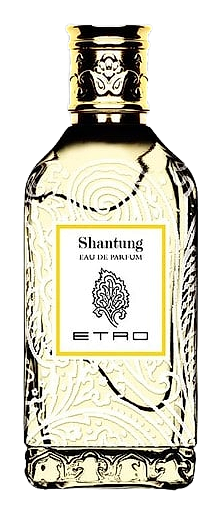
Shantung takes its name from the silk fabric that inspired it, a material with a slight texture, a natural sheen, and a way of catching light that no synthetic can replicate. The fragrance plays with that tension: cool, slick freshness meeting the warmth of skin underneath. Blackcurrant and lychee open like the first touch of silk against bare arms, crisp, bright, almost mineral in their clarity. As the top notes soften, peony and rose arrive not as a bouquet but as a presence, the way fabric held against skin begins to take on the body's warmth. The Somalian frankincense adds something unexpected, a quiet depth that keeps the florals from tipping into sweetness. This is the fragrance for someone who wants the idea of silk, not the weight of it.
Cashmere wood is the note that makes Shantung work. It's designed to evoke the sensation of cashmere itself: smooth, plush, warm without heaviness. Blended with musk and cedar, it gives the drydown a clean warmth that feels less like a fragrance and more like skin after a long day. The Somalian frankincense is handled with real restraint here, present but never dominant, adding a faint smoke rather than an assertive presence. The result is an oriental floral that reads as light, despite the depth of its base.
The evolution
The opening announces itself quickly, blackcurrant and lychee arriving together, tart and watery, with just enough mandarin brightness to keep everything feeling clean. Then the hand-off. Peony and rose don't so much bloom as settle, arriving softly alongside the Somalian frankincense. There's a warmth building underneath that wasn't apparent at first, not sweetness, but presence. The drydown is where Shantung earns its name. Cashmere wood and musk create a close, intimate warmth that behaves like fabric against skin, present but not announced, there if you pay attention. Cedar lingers beneath, giving it structure for the final hours. On fabric, the cashmere-wood note lasts longest. On skin, it's the musk that stays closest to the bone. The way the scent evolves feels inevitable, each phase leading naturally into the next without any jarring transitions.
Cultural impact
Shantung occupies an unusual corner of Etro's collection, a lighter, more approachable direction from a house with diverse olfactory interests. What sets it apart is the restraint: an oriental floral that reads as fresh rather than heavy, floral without tipping into powder, warm without announcing itself. It's the kind of fragrance that gets described as 'feminine' in passing, then quietly worn by everyone who tries it. The fruity top keeps the peony and rose from feeling dated, while the cashmere-wood base grounds everything in something contemporary rather than nostalgic.