The Story
Why it exists.
The beginning
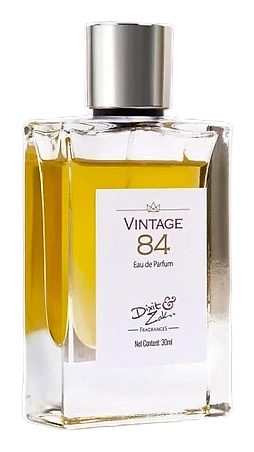
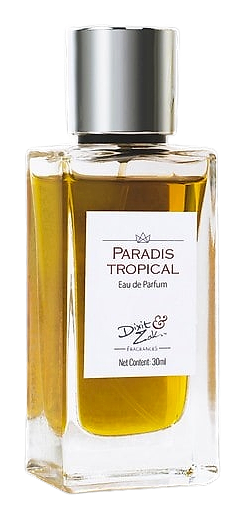
Paradis Tropical landed in 2021 from Nitish Dixit and Zakir Laskar, the duo behind the house Dixit & Zak. It orbits a single Indian botanical most noses outside its home territory have never met: pandanus, the male flower known locally as kewra. Traditionally used as a fixative in the fragrance and flavour industry, pandanus carries a strange versatility, fresh, floral, tart, nutty, almost rice-pudding-sweet, the kind of material that does several jobs at once. Dixit and Laskar built the composition around that versatility rather than layering over it. Thai oud brings the resinous backbone, East Indian sandalwood the creamy weight, and Turkish rose plus blackcurrant buds add a floral-fruity tension that keeps the sweetness honest.
What makes Paradis Tropical structurally unusual is the pandanus-as-juggernaut approach. Rather than treating kewra as a supporting fixative, Dixit and Laskar let it dominate the drydown, which transforms into a honeyed, almost confectionary sweetness over hours. The rose layering is deliberate too, with Damask rose listed in the top notes and Turkish rose in the heart, each pulling its weight across the structure. Blackcurrant buds add the animalic, slightly medicinal edge that keeps the fruit from reading as synthetic.
The evolution
The first ten minutes are all electricity: pink grapefruit and bergamot slicing through, lemon brightening the edges, jasmine and Damask rose just beginning to thicken underneath. There's a clean, almost gin-and-tonic snap to the opening. Around the 30-minute mark, the blackcurrant arrives with its green-catty bite, and the Turkish rose opens up. The composition shifts into something denser, sweeter, but still lifted. By hour two, the pandanus starts its slow takeover. The sour-tart tropical quality softens into something resembling kewra syrup, a sweet, almost confectionary depth grounded by labdanum and frankincense. The Thai oud never announces itself loudly. It just darkens everything around it, like a shadow lengthening across a courtyard. By hour four or five, you're wearing sandalwood, vanilla, and that pandanus honey. The sillage settles inward, intimate and close.
Cultural impact
Paradis Tropical sits in an interesting corner of the Indian niche scene. It treats pandanus, a material with deep roots in regional fragrance and flavour work, as the structural center of gravity rather than a supporting fixative. That single decision gives the composition a tropical identity without resorting to the usual coconut-and-sunscreen shorthand of mainstream tropical perfumery. The pandanus leads, and everything else orbits it. Wearers tend to describe a split personality: a bright, almost sparkling opening that reads like a lighter fragrance, followed by a drydown that demands patience.