
The Story
Why it exists.
The beginning
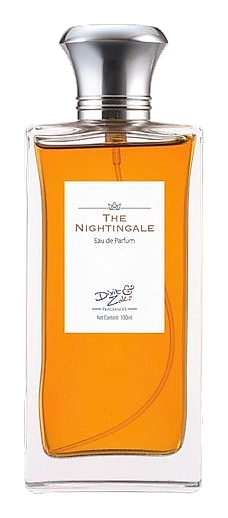
The nightingale is a bird of contradictions. It sings at night, sweetness with nowhere to hide in the dark. The name alone carries weight: Persian poetry, Keats, the idea that beauty speaks loudest when the world goes quiet. Dixit & Zak built The Nightingale on this tension. Jasmine, yes, but jasmine at midnight. Sweetness, yes, but sweetness with teeth. The perfumers took Indian jasmine sambac, one of the most intensely fragrant flowers on earth, and asked: what if we let it be fully, unapologetically itself? The citrus brightens. The animalic deepens. The nightingale sings, and you listen whether you meant to or not.
What sets The Nightingale apart from the crowded jasmine field is the supporting cast. Tulsi, Indian holy basil, brings a green, slightly bitter, anise-laced dimension that stops the sweetness from becoming cloying. Indian vetiver, called Ruh Khus, adds a medicinal-earthy note rarely found outside Indian perfumery. The frankincense and myrrh ground everything with ancient resinous weight. This isn't jasmine floating in alcohol, it's a full conversation between Indian aromatic traditions and modern compositional technique. The vanilla-civet base is the tell: warm, slightly animalic, almost skin-like.
The evolution
The opening hits fast, citrus and orange blossom for a few minutes, then jasmine takes over and doesn't let go. It stays luminous and almost sticky for the first two hours. The heart introduces tulsi and lavender, adding green-cool complexity that tempers the sweetness. Patchouli brings its signature minty-earthiness. Then the base arrives slowly: sandalwood and cedarwood first, then the warm vanilla-civet combination that makes the drydown feel like warm skin. Eight to ten hours on skin. The next morning, there's still something there, a faint warmth, a memory of wood and sweetness.
Cultural impact
The Nightingale finds its audience among those who want a jasmine fragrance that refuses to behave. Its bold indolic character and natural material depth set it apart from safer floral interpretations. The combination of Indian jasmine with tulsi, Ruh Khus vetiver, and traditional resins represents a specific point of view: that Indian aromatic heritage deserves center stage, handled with care but never diluted. It's the kind of fragrance that attracts people who've been searching for something they couldn't quite name.