Tulsi
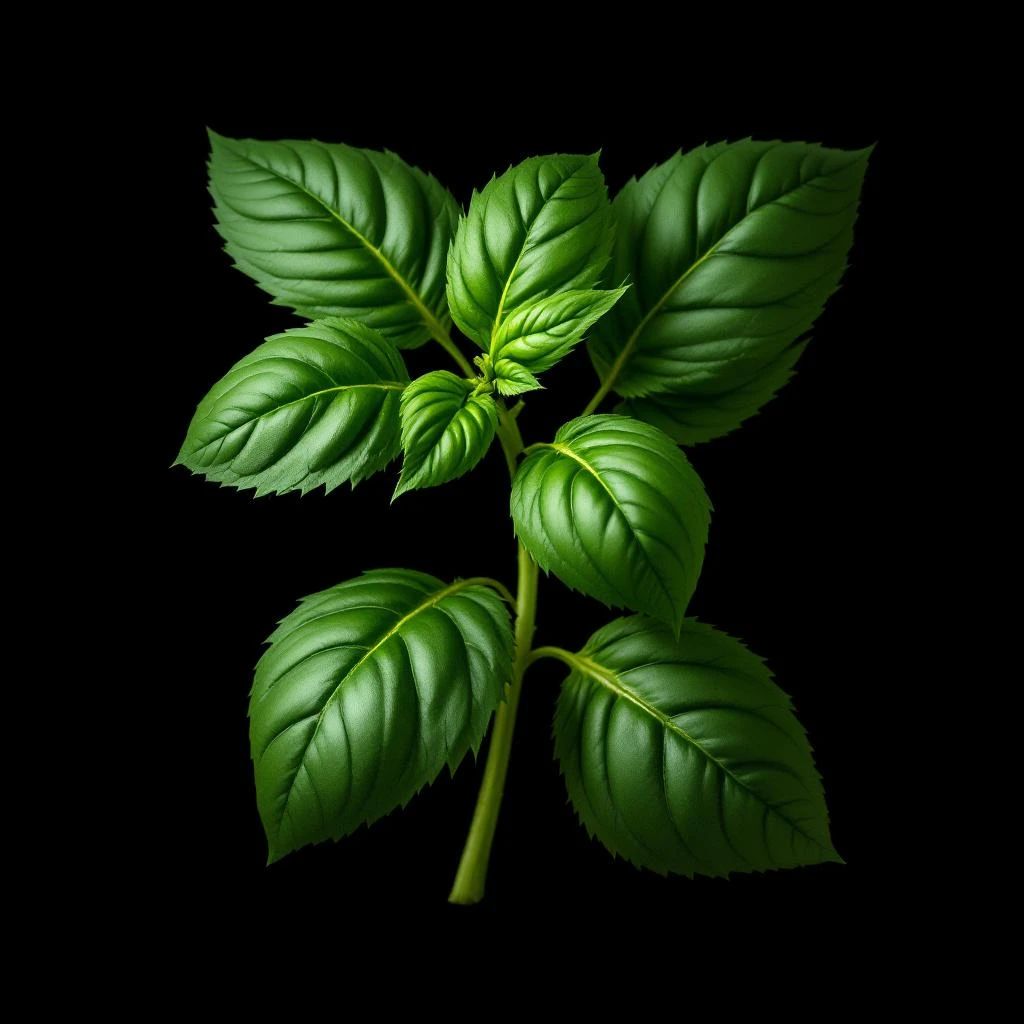
Tulsi, or Holy Basil, brings a sacred green spice to perfumery. Native to the Indian subcontinent, this aromatic herb carries notes of clove, pepper, and camphor that ground floral compositions with spiritual depth and complexity.
Character
How it smells
Sacred green spice from the Indian subcontinent
Hindu tradition regards tulsi as a living incarnation of the goddess Tulsi, and many households in India maintain a tulsi plant near the entrance for spiritual protection.





Origin
India
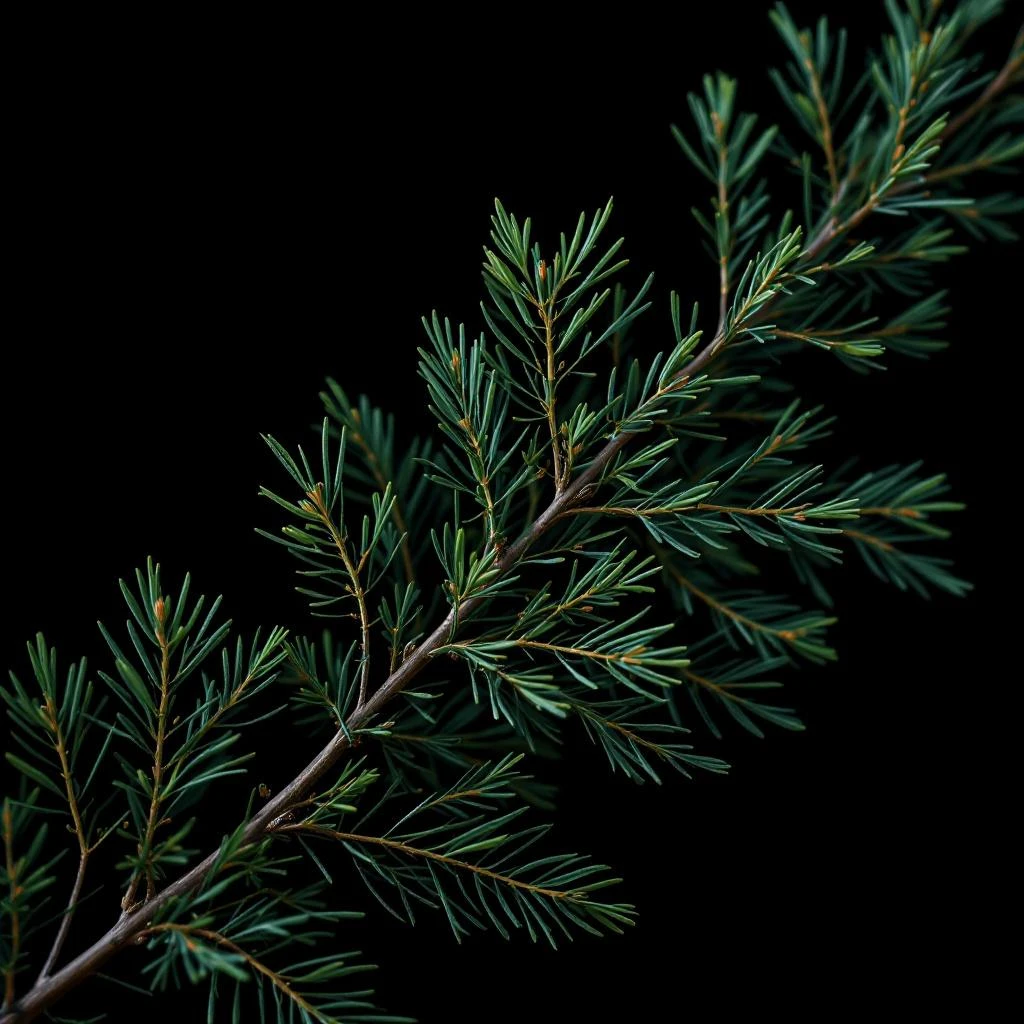
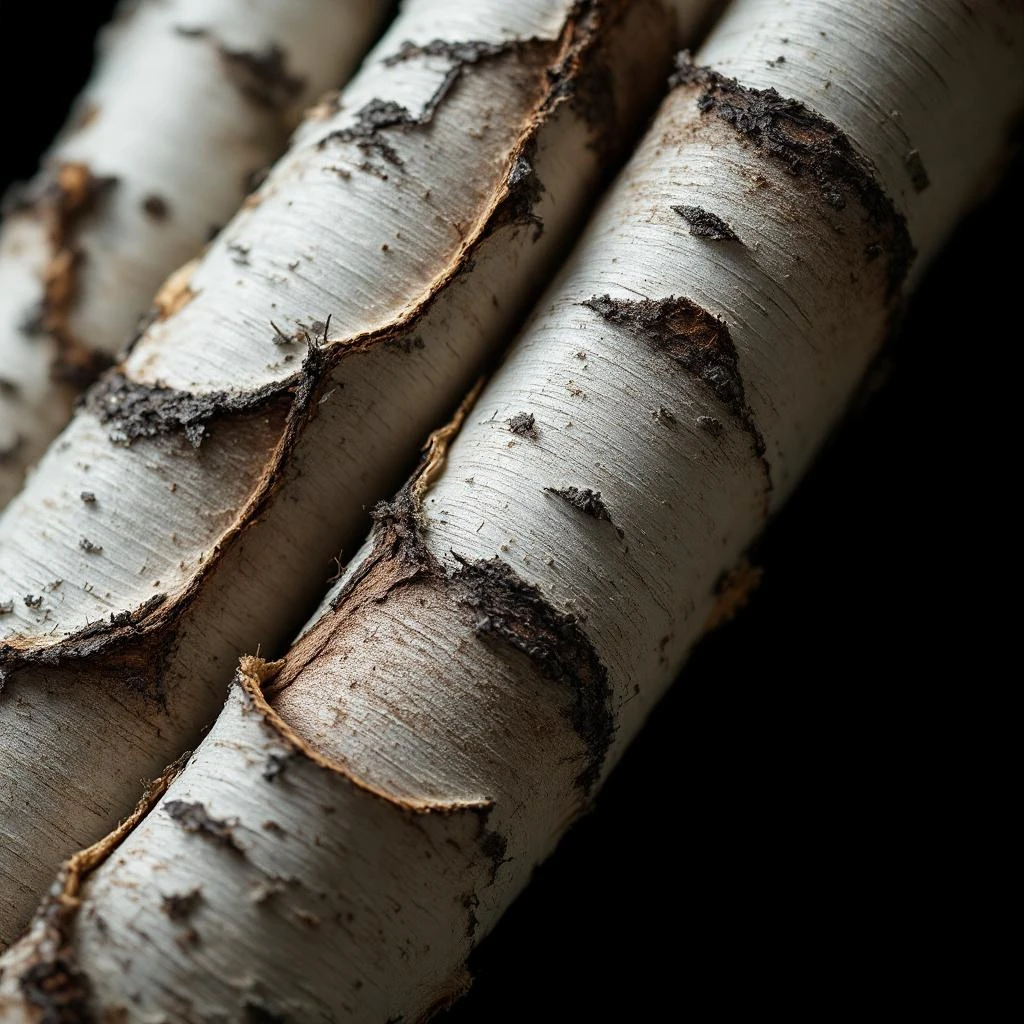
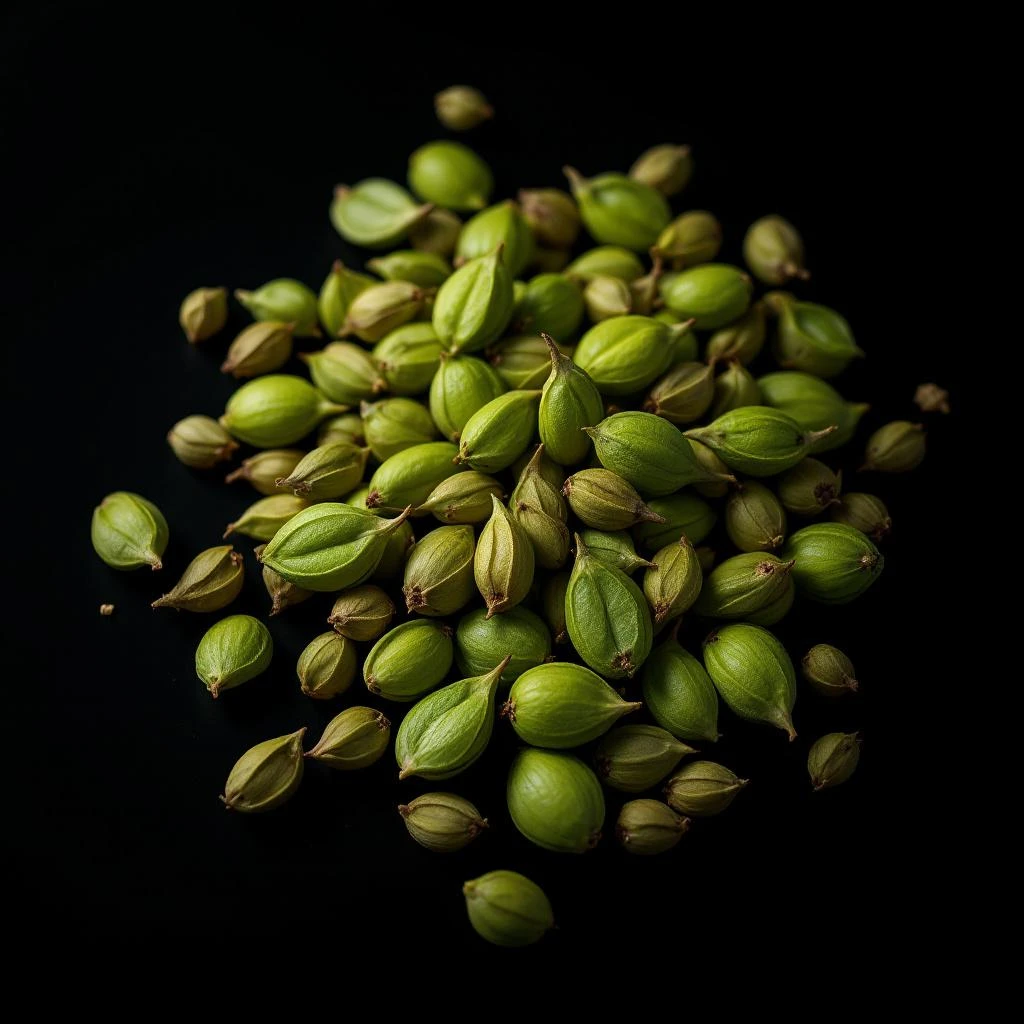
Tulsi has occupied a sacred position in Indian culture for over 3,000 years. The Vedic texts mention this plant as a cornerstone of Ayurvedic medicine, prescribing it for respiratory ailments, fever, and stress. Hindu mythology elevates tulsi further: the plant is considered an earthly manifestation of the goddess Tulsi, and its daily worship is a household ritual in millions of homes.
The word "tulsi" derives from Sanskrit, meaning "the incomparable one." Monks and healers across the Indian subcontinent burned tulsi leaves as incense during meditation, believing the aroma purified the mind. Perfumery adopted tulsi more recently, drawn to its complex green-spicy profile that bridges herbal and oriental fragrance families.
The plant's journey from temple gardens to perfume bottles reflects a broader rediscovery of traditional aromatics by modern perfumers seeking distinctive natural materials.
Wears it best
Fragrances featuring Tulsi
Brands
Brands known for Tulsi
Good to know
Questions, answered
The essentials on Tulsi in perfumery: how it smells, where it comes from, and how it behaves on skin.
What does tulsi smell like in perfume?
Tulsi opens with a sharp, green aroma reminiscent of cut basil, followed by spicy clove-like warmth and subtle camphor undertones. The overall effect is both grounding and spiritually uplifting, adding herbal complexity to fragrance compositions.
Is tulsi used as a natural or synthetic ingredient in perfumery?
Tulsi appears almost exclusively as a natural material in perfumery. Its essential oil is steam distilled from the plant. Synthetic recreations can capture certain components like eugenol, but they cannot fully replicate the complete aromatic profile of natural tulsi oil.
What are the main chemical components of tulsi oil?
Tulsi oil contains eugenol as its primary component, often comprising 50 to 70 percent of the oil. Other significant constituents include carvacrol, methyl eugenol, and various sesquiterpenes that contribute to its characteristic warm, spicy aroma.
Is tulsi oil safe for skin application?
Tulsi oil is approved by IFRA for use in cosmetic and fragrance products when properly diluted. Its high eugenol content can cause skin sensitization in some individuals, so perfumers typically use it at low concentrations below 1 percent in final formulations.
How does tulsi differ from regular basil in fragrance?
Tulsi carries significantly more spice and camphor than common culinary basil. Regular sweet basil offers lighter, sweeter herbal notes, while tulsi delivers deeper, more complex clove-like warmth with a distinctly spiritual character rooted in its cultural origins.
Which perfumes feature tulsi as a key ingredient?
Several niche and designer fragrances incorporate tulsi, including Diptyque Tam Dao EDP, Hem Earth Spirit Tulsi, and Apsu by Agonist. It often appears in unisex and oriental compositions where its green-spicy character provides contrast to heavier base notes.
Can tulsi oil be blended with other essential oils?
Tulsi oil blends well with citrus oils like bergamot and lemon, resinous materials such as frankincense and myrrh, and other green notes including basil and clary sage. Its aromatic intensity makes it a natural anchor for lighter top notes.
What is the typical shelf life of tulsi essential oil?
Properly stored tulsi essential oil remains stable for 2 to 3 years. Exposure to light and heat accelerates degradation. The oil may darken over time as eugenol content reacts with oxygen, and any change in aroma indicates the product has degraded.