The Story
Why it exists.
The beginning
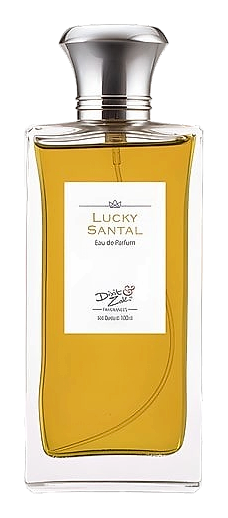
Lucky Santal brings together rose and sandalwood, two materials that have long been central to perfumery. Dixit & Zak pair them with Bangladeshi oud, castoreum, and tobacco. The sandalwood here isn't simply soft and creamy; it sits alongside darker elements that give the composition real presence. There's a complexity to how these materials interact, with the warmth of the wood meeting the richness of the oud and the animalic depth of the castoreum. The tobacco adds an extra dimension without dominating. What emerges is a fragrance that uses classic materials in a way that feels both familiar and unexpected, building on tradition while having its own distinct character.
The honey in Lucky Santal plays a specific role. It brings a natural sweetness that isn't dominant or cloying. This sweetness works alongside the rose, preventing it from feeling overly polite or restrained. The oud is present and substantial, not buried beneath other notes. Castoreum appears as part of the composition, an animalic element that contributes to the overall structure rather than being hidden or minimized. These choices reflect a particular approach to formulation, where each material has a clear place in the final result.
The evolution
The opening of Lucky Santal centers on honey. It's sweet, but the key lime provides enough contrast to keep the composition from becoming one-dimensional. The Damask rose appears alongside a tuberose note that brings a creamy warmth to the blend. As time passes, the florals evolve and the spices begin to come forward. Ginger adds heat, henna contributes an earthy quality, and magnolia rounds out the heart of the fragrance. These elements create a transition between the brighter opening and what follows. In the later stages, the oud becomes more apparent, supported by sandalwood and a tobacco note that adds body. The castoreum gives the base depth and warmth.
Cultural impact
Lucky Santal occupies a particular space in the niche fragrance market. It uses traditional materials including oud, rose, and honey in a composition that doesn't shy away from animalic notes. The fragrance has been discontinued, which has made it more difficult to acquire. For collectors who value oud-forward compositions with floral elements, this scent represents an example of a particular approach to niche perfumery. Its scarcity has increased interest among those who appreciate its character.