Henna
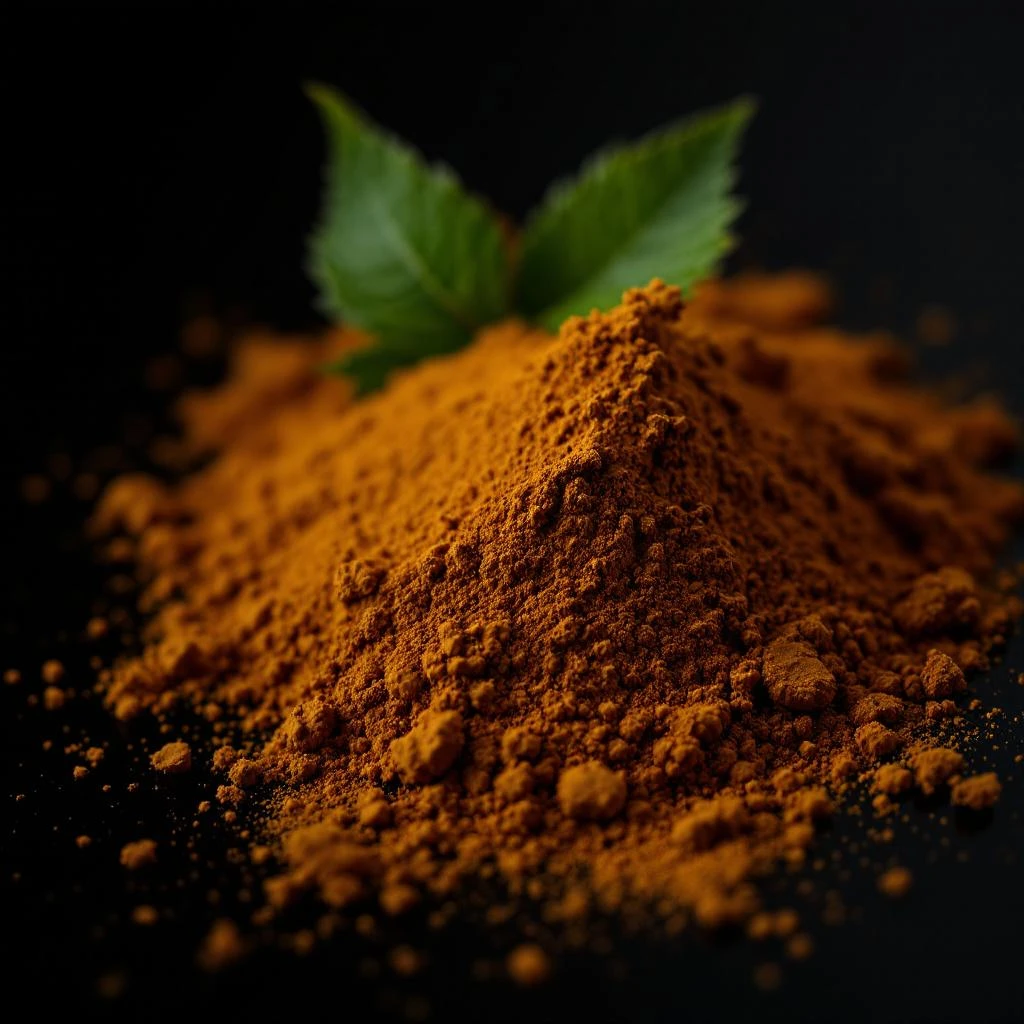
Henna adds a green, earthy nuance that grounds a fragrance, offering a fresh‑cut‑grass aroma with a whisper of spice. Perfumers prize its natural authenticity for creating balanced, grounded compositions.
Character
How it smells
Green spice that grounds any fragrance.
Henna leaves contain linalool, the same molecule that gives lavender its sweet scent, allowing the absolute to add a subtle, grassy lift that can soften sharp citrus notes.






Origin
India
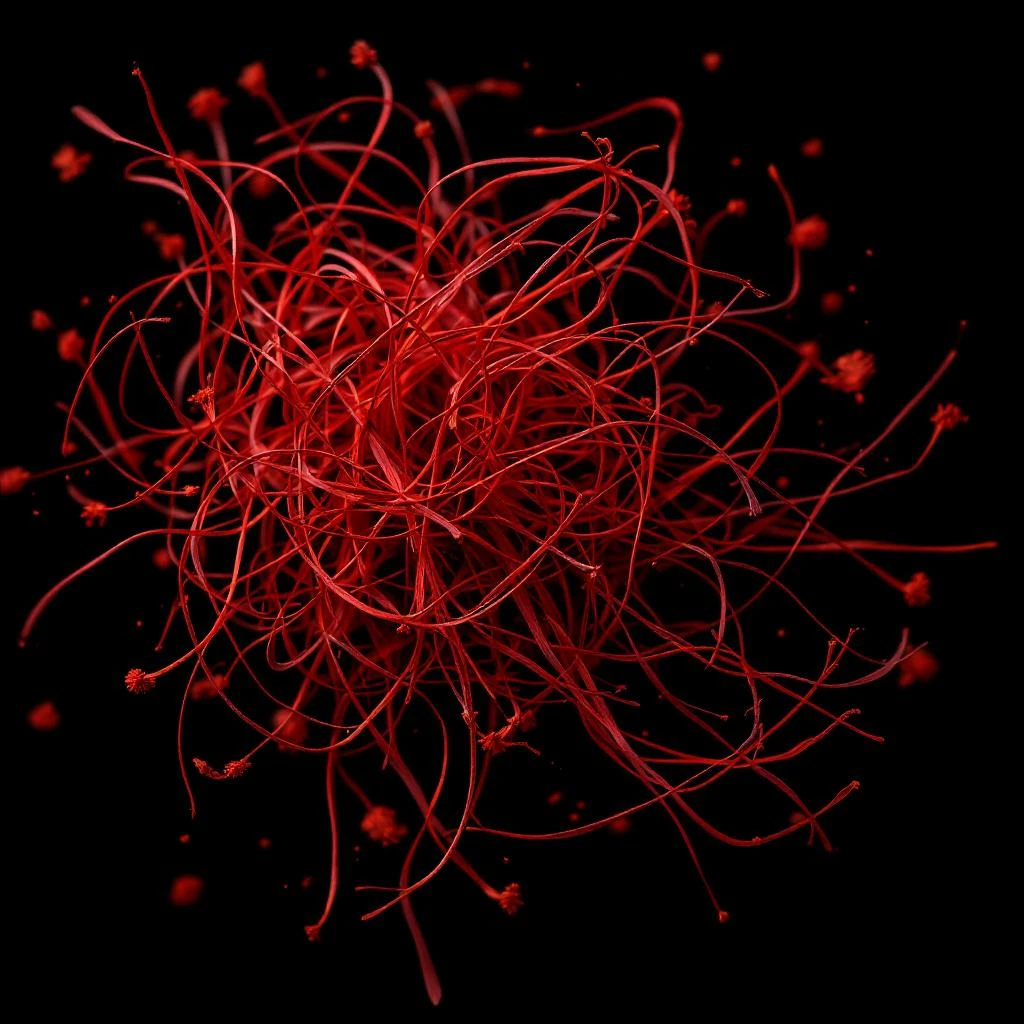
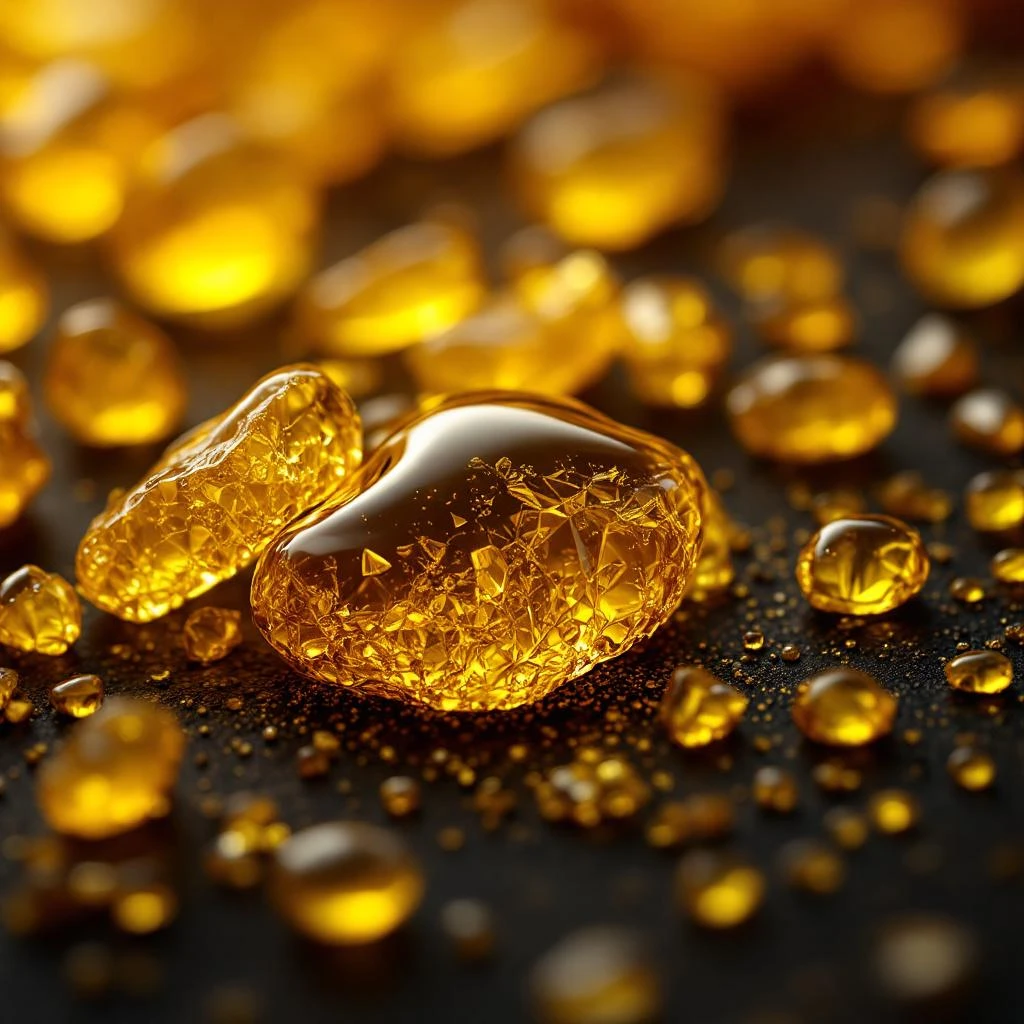
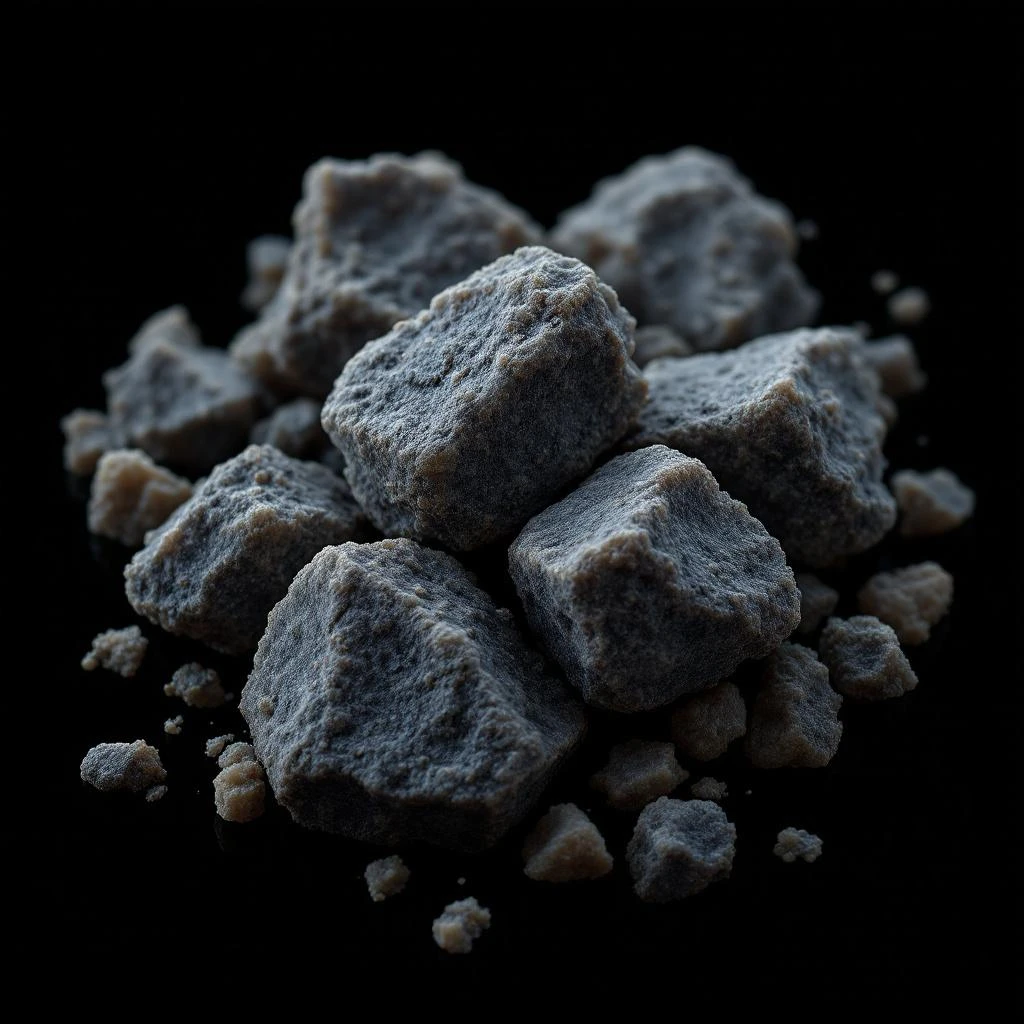
Henna entered perfume history through ancient Egypt, where it formed a core component of the incense called kyphi, burned in temples as a sacred offering. Egyptian texts from the 16th dynasty describe mixing henna with myrrh, cinnamon, and juniper to create aromatic blends.
Greek traders imported Egyptian henna for use in their own scented oils, and Roman aristocrats favored the green note in personal fragrances. By the early Islamic period, Arab alchemists refined extraction techniques, preserving henna's fresh character for luxury perfumes.
In the 19th century, European perfumers began isolating henna absolute using solvent methods, expanding its use beyond incense to modern fine fragrance. Today, henna remains a niche ingredient prized for its ability to anchor bright top notes with a natural, earthy foundation.
Wears it best
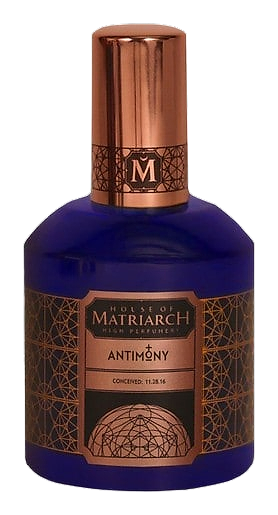
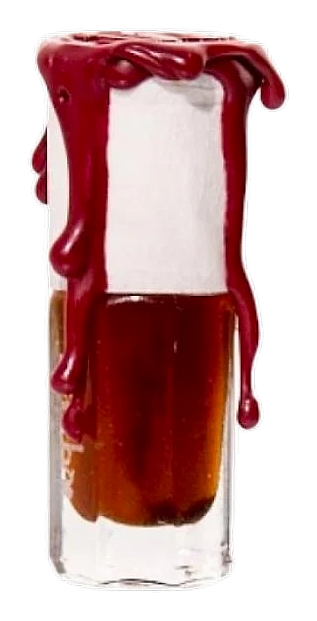
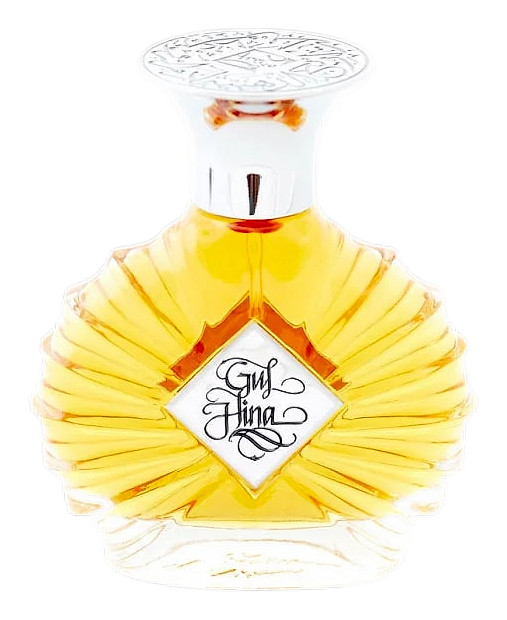
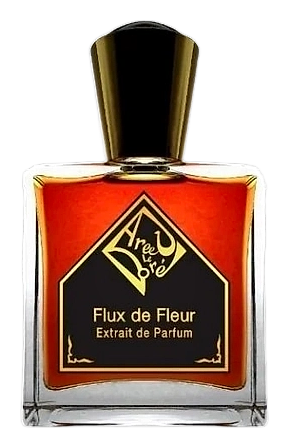
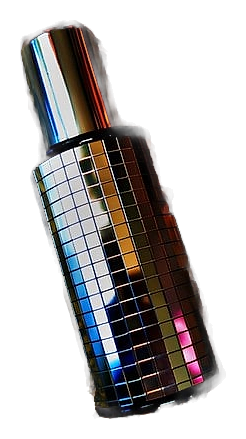
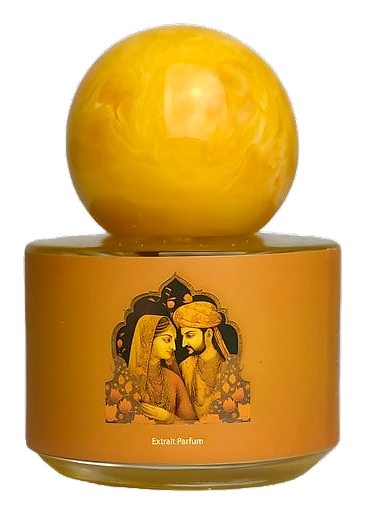
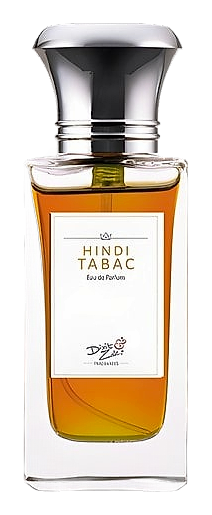
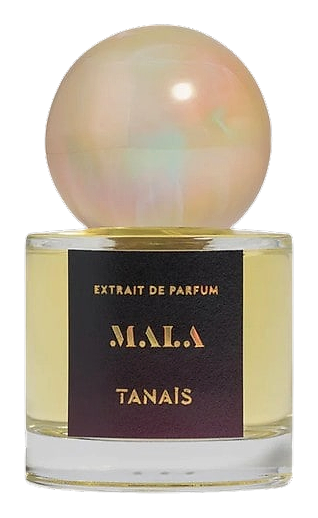
Fragrances featuring Henna
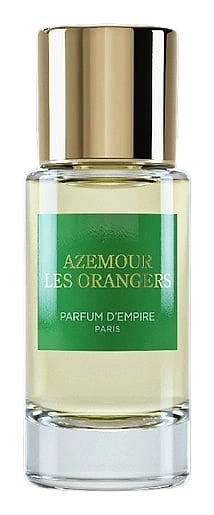
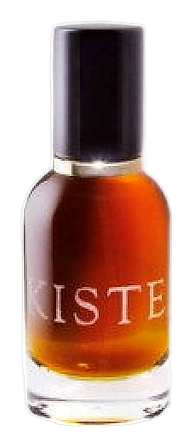
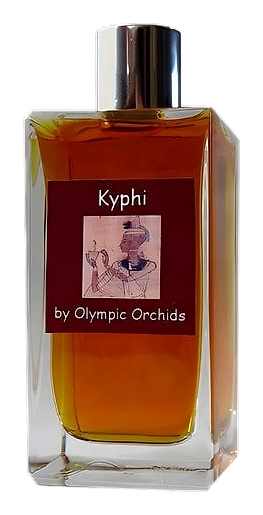
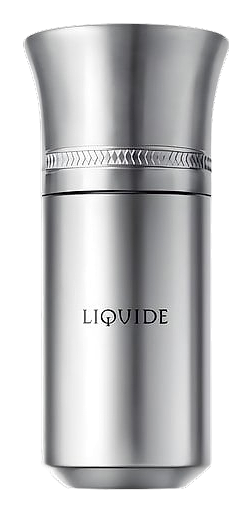
Brands
Brands known for Henna
Good to know
Questions, answered
The essentials on Henna in perfumery: how it smells, where it comes from, and how it behaves on skin.
What part of the henna plant is used in perfumery?
Henna perfumery uses the dried leaves of Lawsonia inermis. The leaves are harvested before full bloom and dried to preserve their aromatic oils.
How is henna absolute extracted?
Henna absolute is produced by supercritical CO₂ extraction. The process runs at 80 °C and 300 bar, yielding a solvent‑free oil rich in green, grassy notes.
What primary scent does henna contribute to a fragrance?
Henna adds a fresh‑cut‑grass aroma with subtle earthiness. This green facet can soften bright citrus or sharp spice accords in a blend.
Where does henna originate historically?
Henna originates from the Indian subcontinent, with ancient cultivation documented in the Indus Valley. India remains the main source for high‑quality leaves.
Is henna considered a natural or synthetic ingredient?
Henna is a natural botanical ingredient. Its absolute is derived directly from plant material without synthetic additives.
Can henna cause skin irritation in perfume use?
Henna absolute is generally safe for skin when used at typical fragrance concentrations. However, pure henna paste can cause allergic reactions in sensitive individuals.
How does henna interact with other fragrance notes?
Henna anchors bright top notes and blends smoothly with floral, citrus, and woody accords. Its green character adds depth without overpowering other ingredients.
Is henna sustainable to source?
Henna cultivation relies on low‑input farming and can be harvested multiple times per year. Sustainable practices maintain soil health and support local economies.



