Pandanus Blossom
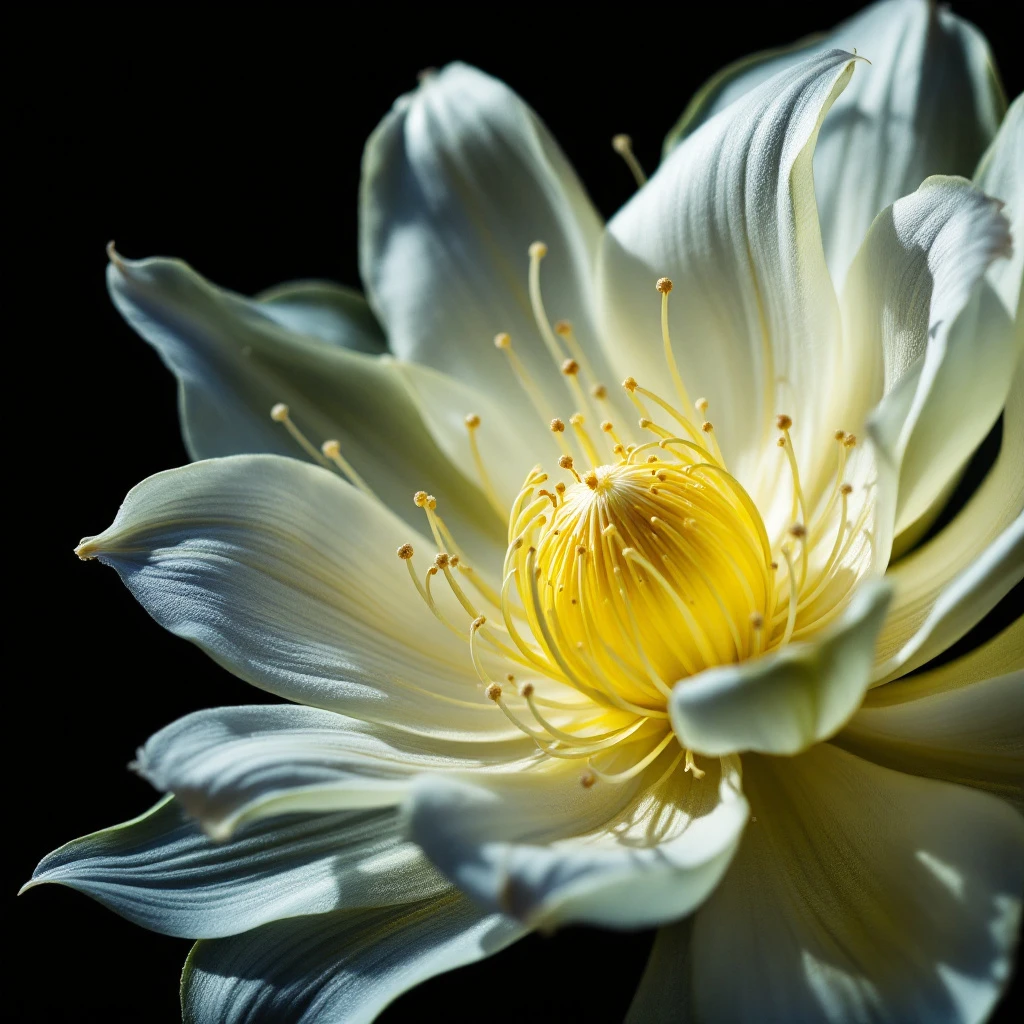
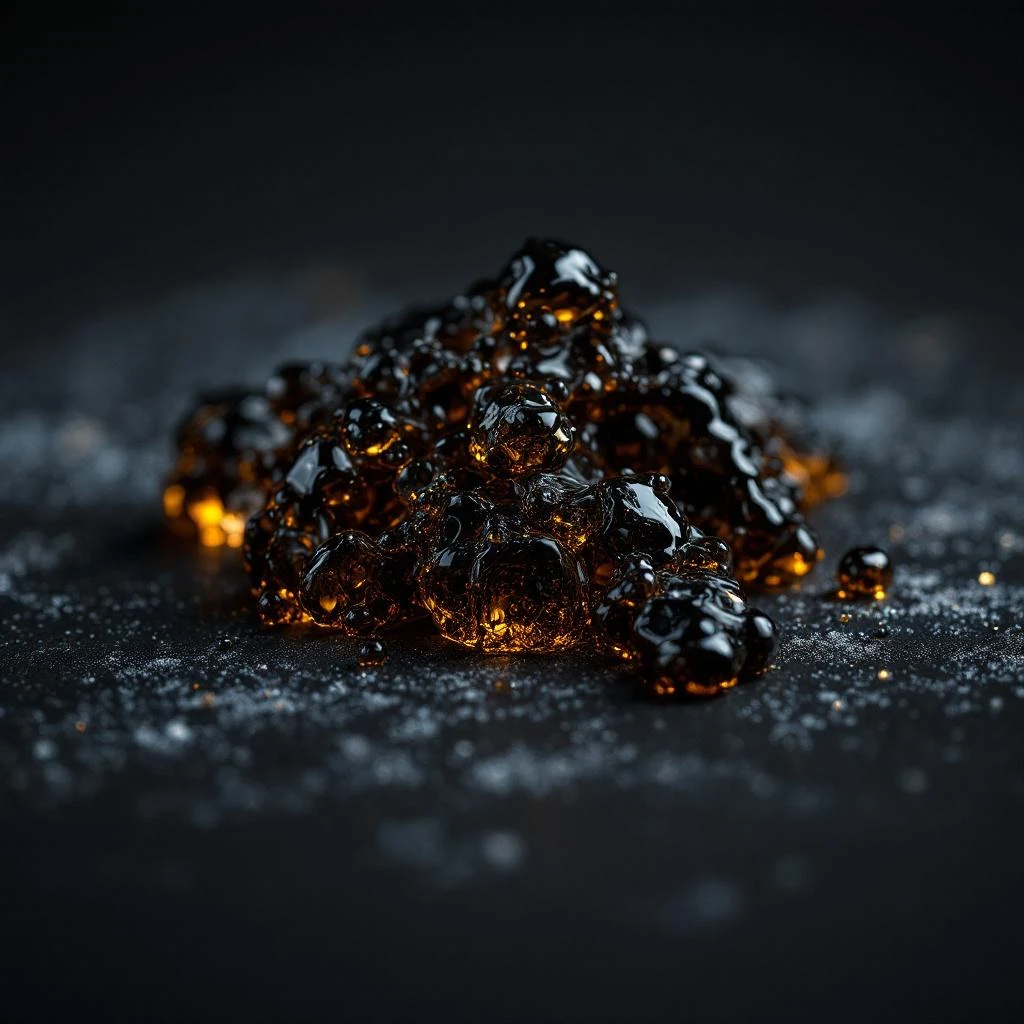
Tropical blossoms with a creamy, jasmine-like sweetness and a subtle nutty undertone. Pandanus blossom brings sun-warmed Southeast Asian gardens into a bottle.
Character
How it smells
Sun-warmed sweetness from tropical blooms
A single mature Pandanus odoratissimus tree produces only 30-40 male flower clusters per year, making genuine kewra absolute a genuinely rare perfume material.





Origin
India
The fragrant male flowers of Pandanus odoratissimus, known as kewra or keora, have anchored Indian perfumery for over a millennium. References appear in classical Sanskrit poetry and Ayurvedic texts, where the blooms were classified among the most precious floral materials alongside jasmine and tuberose. Mughal-era courts prized kewra water as a cooling, aromatic additive to sherbets and rose-based attars, and the tradition of layering kewra distillate over sandalwood oil continues in Kannauj and surrounding districts to this day.
In Odisha and Andhra Pradesh, the flower holds temple significance and appears in ritual garlands. Across Southeast Asia, the broader Pandanus genus carries deep cultural weight: leaves from P. amaryllifolius scent rice, custards, and drinks across Malaysia, Thailand, Indonesia, and the Philippines, earning the nickname "vanilla of the East."
Western perfumers encountered genuine pandanus materials only rarely, though the plant family has appeared in botanical curiosity collections since the 18th century when European naturalists cataloged its unusual stilt-root morphology and fragrant bracts.
Wears it best
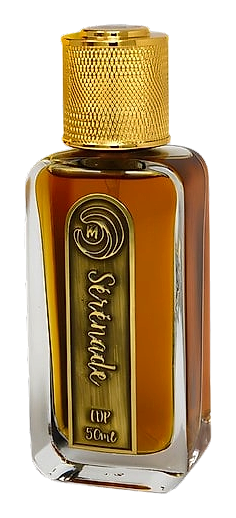
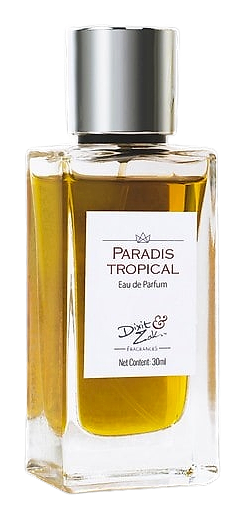
Fragrances featuring Pandanus Blossom
Brands
Brands known for Pandanus Blossom
Good to know
Questions, answered
The essentials on Pandanus Blossom in perfumery: how it smells, where it comes from, and how it behaves on skin.
What does pandanus blossom smell like?
Pandanus blossom (kewra) carries a creamy, floral sweetness reminiscent of jasmine laced with a soft nutty, honeyed warmth. The scent is lighter than tuberose but shares that same lush, sun-warmed character found in tropical white flowers.
Is pandanus blossom the same as pandan leaf?
They come from related species within the same genus but offer different aromatic profiles. Pandanus blossom refers to the fragrant male flowers of P. odoratissimus, while pandan leaf comes from P. amaryllifolius and smells grassy with a vanilla-like sweetness.
Where does kewra absolute come from?
Most commercial kewra water and absolute originates in India, particularly the eastern states of Odisha and Andhra Pradesh, where Pandanus odoratissimus grows wild and cultivated. Traditional distillation remains centered in these regions.
How is pandanus blossom extracted for perfume?
Producers use hydrodistillation on freshly harvested male inflorescences to produce kewra water, or apply solvent extraction to the same bracts to yield a richer absolute. Both methods require mature, carefully timed harvests for optimal aromatic yield.
Is pandanus blossom expensive?
Genuine pandanus blossom materials carry premium pricing due to limited yields. A mature tree produces only 30-40 male flower clusters annually, and harvest is labor-intensive, keeping supply restricted and costs high compared to common floral absolutes.
Which perfumes feature pandanus blossom?
Kewra appears most often in Indian attars layered over sandalwood, and it features in several niche compositions exploring tropical or South Asian themes. Mainstream Western perfume houses rarely feature it as a named note.
Does pandanus blossom have cultural significance?
Yes. The flower appears in Ayurvedic texts and classical Sanskrit poetry, holds ritual importance in Odisha temples, and flavors traditional beverages and sweets across India. Its cultural weight rivals jasmine in regional significance.
Can pandanus blossom be synthesized?
No single synthetic molecule fully replicates its creamy, nutty-floral complexity. Some perfumers blend individual aroma chemicals to approximate the effect, though connoisseurs consistently identify the natural material by its depth and naturalness.



