The Story
Why it exists.
The beginning
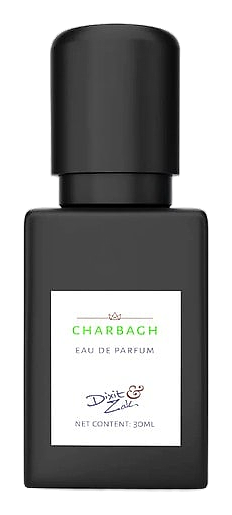
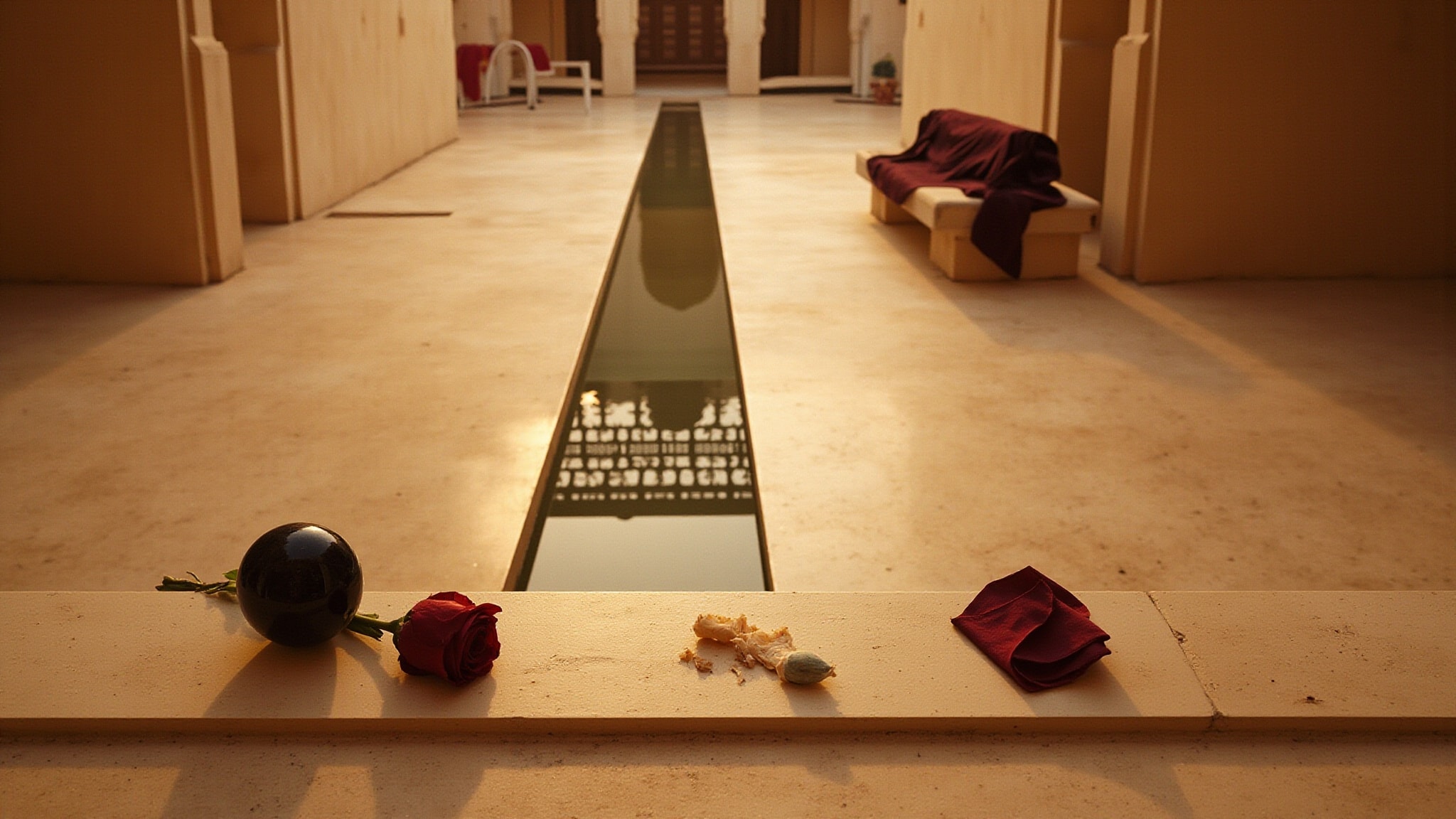
Charbagh draws its name from the Persian-Mughal concept of a four-part garden, the kind laid out for royalty, where geometry meets bloom and every path leads back to water. Released by Dixit & Zak, the composition centers a privately distilled Damask rose, the kind of ingredient that rarely travels beyond the workshops where it is made. Rather than treating the rose as a single solo note, the house layered it over creamy Mysore sandalwood and threaded cardamom through the heart like a quiet accent of warmth. Indian oud sits underneath, giving the composition a resinous foundation that holds everything together. On skin, the rose reads honeyed and a little jammy, the sandalwood lends its milky smoothness, and the cardamom offers a low hum of spice rather than a sharp lift.
The Damask rose at the center of Charbagh is not a commercial absolute. It is privately distilled by the house, in small batches that reflect the rarity and cost of working with such a demanding material, which is why the brand produced Charbagh in extremely limited quantities. The Mysore sandalwood brings its signature creamy, almost milky depth, a quality most other sandalwood sources can't replicate, and it weaves through the composition like a soft undercurrent of cream.
The evolution
Charbagh opens the way a cool morning garden opens. There's a flicker of citrus, brief and bright, and the first whisper of honeyed rose petal, still damp. The opening feels deceptively light, like a silk curtain catching wind, and for a while the fragrance seems content to stay there, floating just above the skin. Then the sandalwood begins to settle in, creamy and deliberate, and the rose shifts from fresh-petal sweetness toward something richer, almost preserved, like rose jam spread thin on warm bread. Cardamom arrives not as a snap but as a hum, warming the edges of the composition without ever announcing itself. As the hours pass, the oud emerges from underneath, not as a wall but as a shadow, resinous and skin-like. It never takes over. It just deepens the conversation between rose and wood.
Cultural impact
Charbagh arrived as a quietly significant release within Indian niche perfumery, centering a privately distilled Damask rose, a material so demanding and rare that it seldom appears outside traditional attar workshops. Its limited release, the brand has noted, consisted of only a small handful of bottles made available to the wider public, which gave the fragrance a hushed, almost whispered presence rather than a loud launch. Wearers tend to describe it in terms of patience and quiet rather than impact, the kind of fragrance that reads as personal rather than performed.