The Story
Why it exists.
The beginning
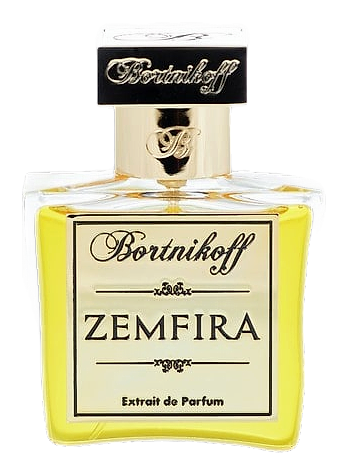
Zemfira arrived in 2019 as part of Bortnikoff's fourth collection, a small batch of extraits that placed material authenticity above trend. Dmitry Bortnikoff had spent years working with natural absolutes before this release, and Zemfira reflects that patience. The name carries its own weight, borrowed from a figure who bridges worlds. The fragrance translates that idea into scent: Eastern opulence meeting Western restraint, loud ambition held in check by discipline.
What makes Zemfira notable is the interplay between two rose expressions, May rose and tea rose, layered over cedarwood that gives the floral heart structure rather than softness. Vietnamese oud anchors the base without overwhelming. Bengal sandalwood adds warmth that develops slowly. The composition is deliberately unhurried: it doesn't try to impress in the first spray.
The evolution
The opening lasts perhaps ten minutes, bergamot's citrus brightness followed by pink pepper's clean spice. Then the bergamot fades and the roses take over, each one distinct: May rose's powdery sweetness, tea rose's green, almost leafy quality. Cedarwood ties them together. By the third hour, the oud and sandalwood have fully arrived, settling into skin as a warm, resinous foundation. On most people, this lingers eight to ten hours. On fabric, longer.
Cultural impact
Zemfira sits in a particular corner of the niche market, the collector who values depth over volume, who moved past trend into permanent acquisition. It's not a fragrance that fills a room or starts conversations. It's the one someone notices on you and asks about quietly, later.