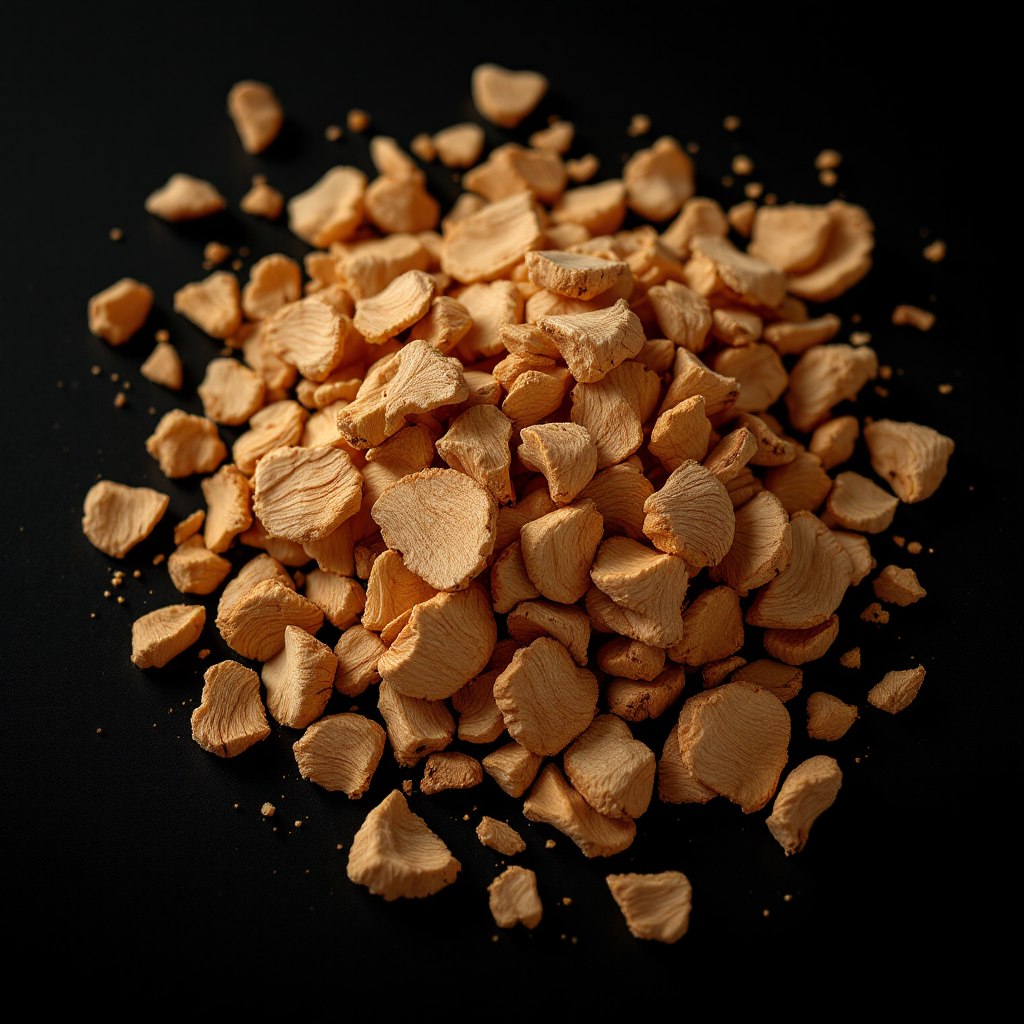
Bengal Sandalwood
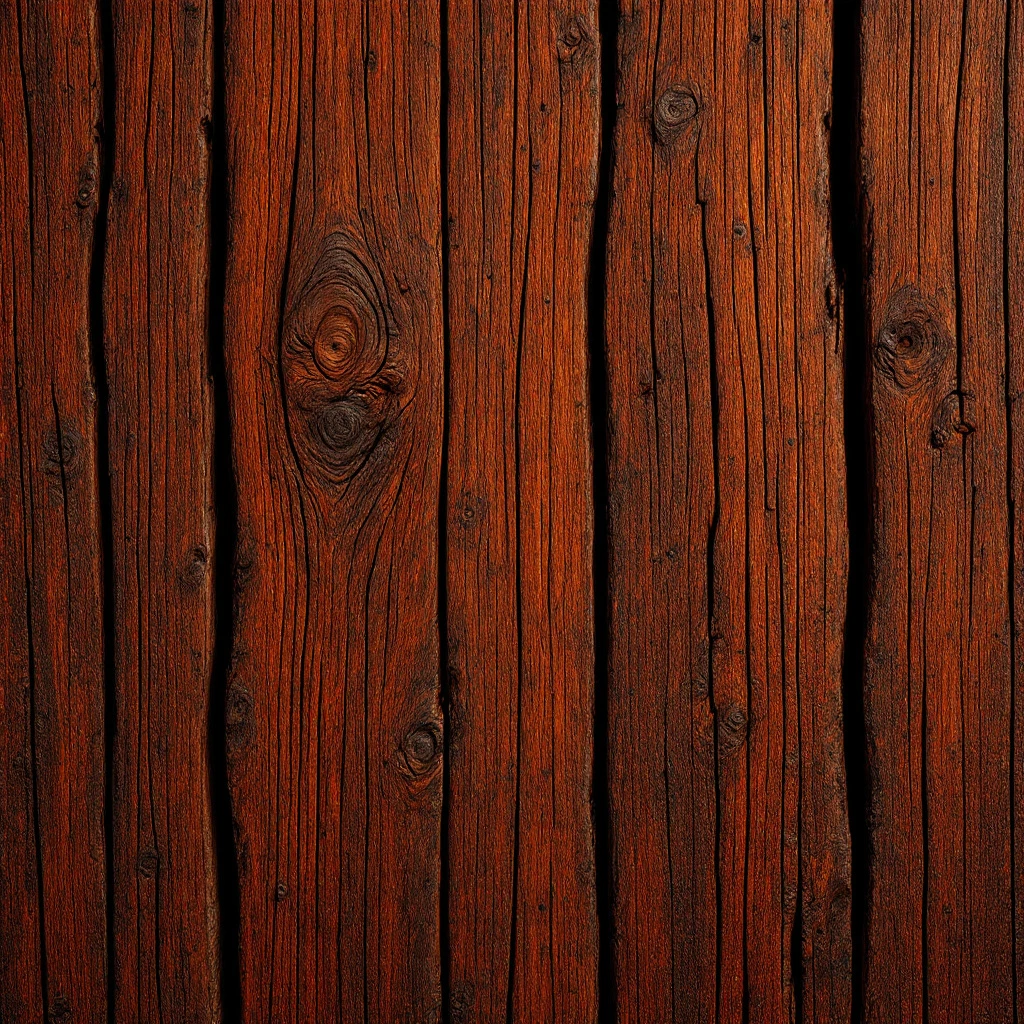
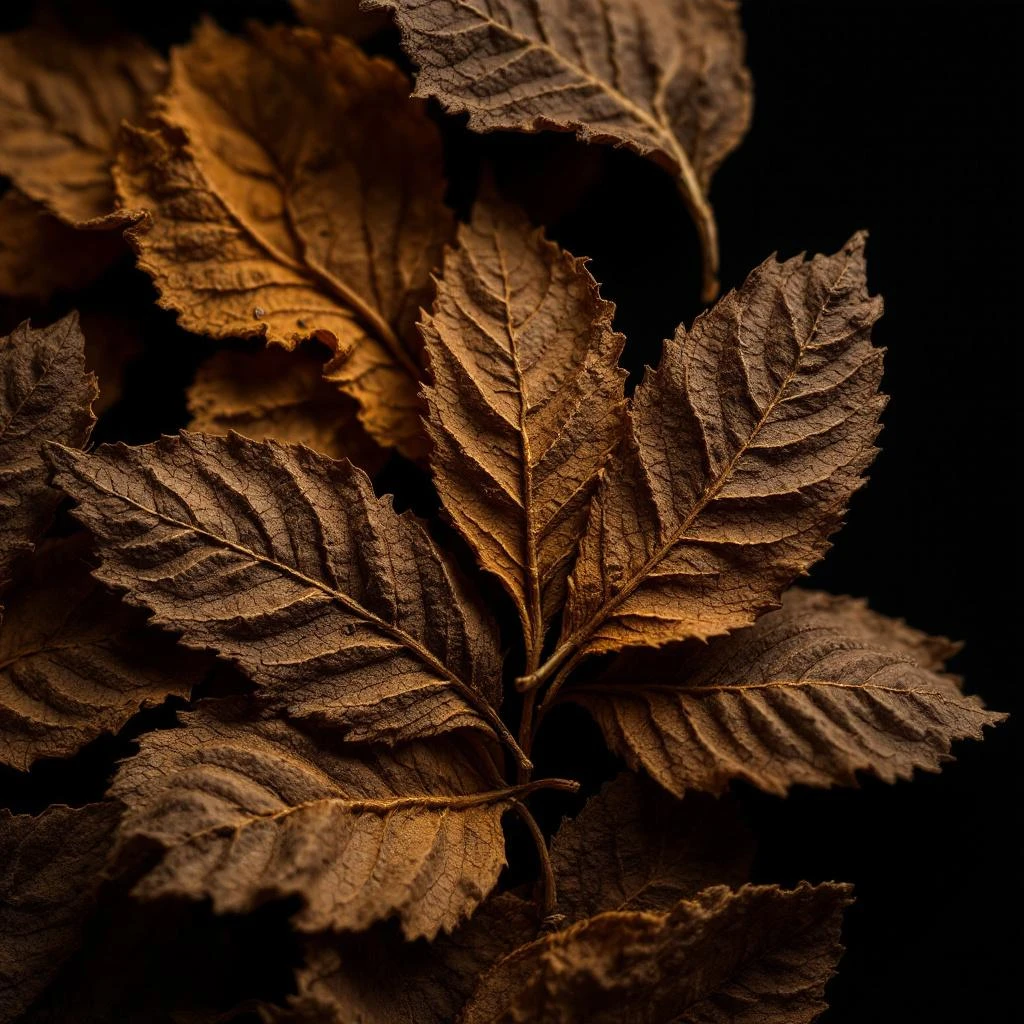
Bengal Sandalwood delivers the creamy, lactonic warmth perfumers have treasured for millennia. Its velvety, slightly sweet woodiness forms the backbone of oriental fragrances, lending depth and staying power that few ingredients can match.
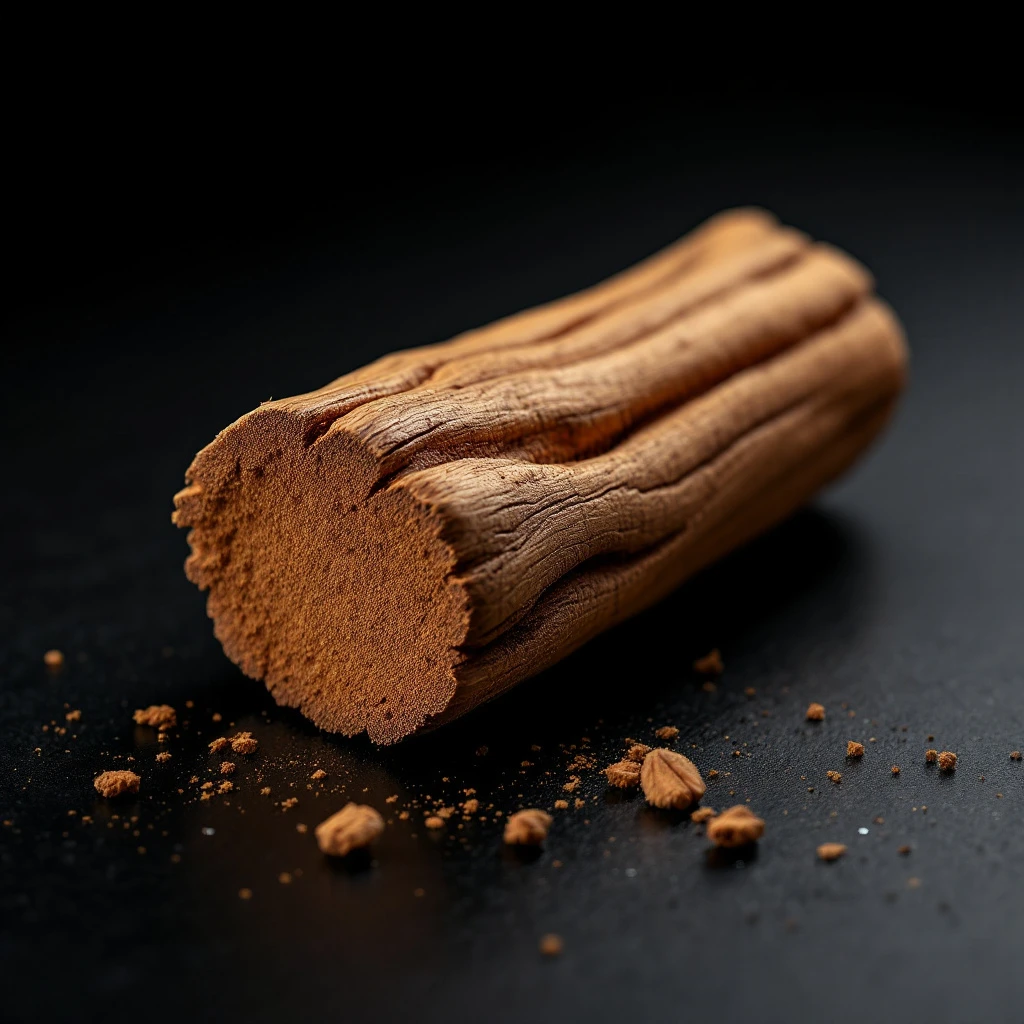
Character
How it smells
Sacred wood warmth that has defined perfumery for 4,000 years.
A sandalwood tree must grow for 15 to 30 years before its heartwood develops the aromatic compounds perfumers seek.



Origin
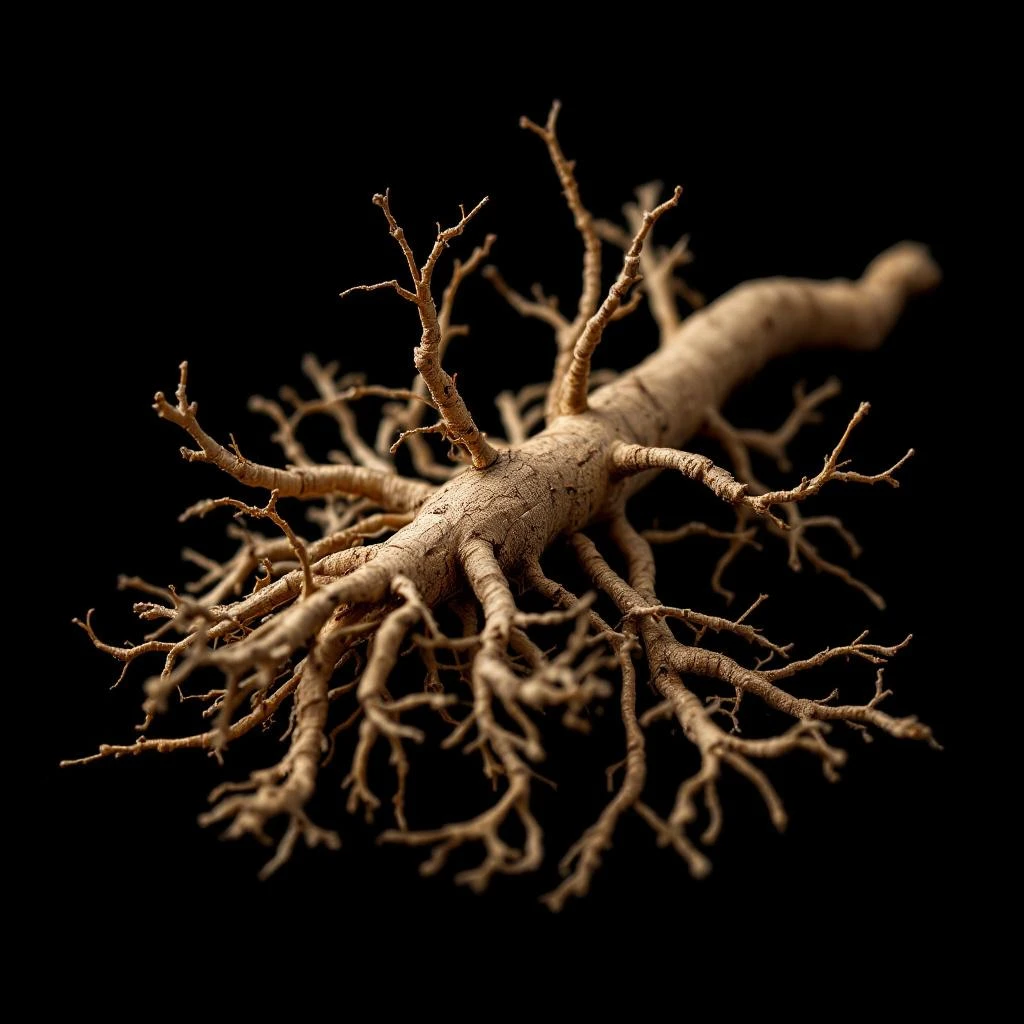
India
Text from what is now India first recorded sandalwood's perfume qualities around 700 BCE, placing this ingredient among the oldest continuously used fragrance materials in human history. Ancient Egyptian embalmers incorporated it into their rituals, while Indian traditions reserved sacred sandalwood paste for religious ceremonies and royal perfumery. For four millennia, Bengal Sandalwood has held cultural significance across Asia, appearing in wedding traditions, temple offerings, and medicinal preparations.
European traders later recognized its value, driving demand that nearly depleted wild populations. Today, sustainably managed plantations in India supply the perfumery industry while protecting this ancient heritage for future generations.
Wears it best
Fragrances featuring Bengal Sandalwood
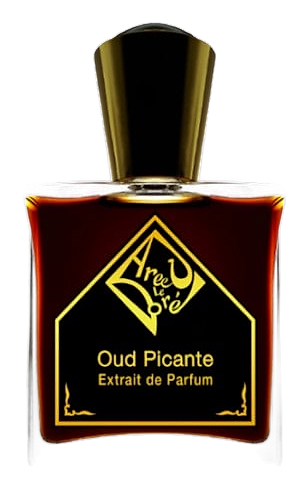
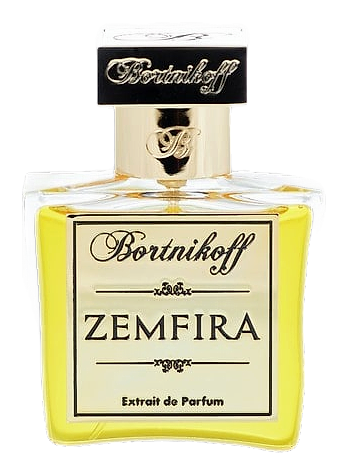
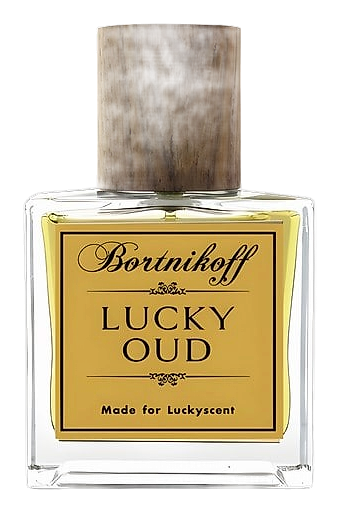
Brands
Brands known for Bengal Sandalwood
Good to know
Questions, answered
The essentials on Bengal Sandalwood in perfumery: how it smells, where it comes from, and how it behaves on skin.
What does Bengal Sandalwood smell like?
Bengal Sandalwood smells creamy, velvety, and warm with lactonic sweetness and soft woody undertones. It provides exceptional depth and lasting power in fragrance compositions.
Where does Bengal Sandalwood originate?
Bengal Sandalwood originates from India, where Santalum album grows natively. The finest quality material historically came from Mysore before expanding to sustainable plantations across the subcontinent.
Why is Bengal Sandalwood so expensive?
A sandalwood tree requires 15 to 30 years to develop aromatic heartwood suitable for extraction. Combined with high demand and strict harvesting regulations, this long maturation period drives premium pricing.
How is Bengal Sandalwood oil extracted?
Producers extract Bengal Sandalwood oil through steam distillation of dried heartwood and roots. The wood must cure for months before processing to concentrate aromatic compounds.
What makes Bengal Sandalwood different from Australian sandalwood?
Bengal Sandalwood typically exhibits creamier, sweeter, and more classically 'sandalwood' characteristics compared to Australian varieties, which tend toward drier, more resinous profiles.
Is Bengal Sandalwood sustainably sourced?
India has maintained strict conservation measures since the early 2000s, promoting plantation cultivation over wild harvesting. Most commercial supply now comes from managed tree farms.
What fragrance families use Bengal Sandalwood?
Bengal Sandalwood appears primarily in oriental and woody compositions, serving as a fixative that extends fragrance longevity on skin.
How long has Bengal Sandalwood been used in perfumery?
Textual records document Bengal Sandalwood's use in perfumery since approximately 700 BCE, giving it one of the longest continuous histories of any fragrance ingredient.