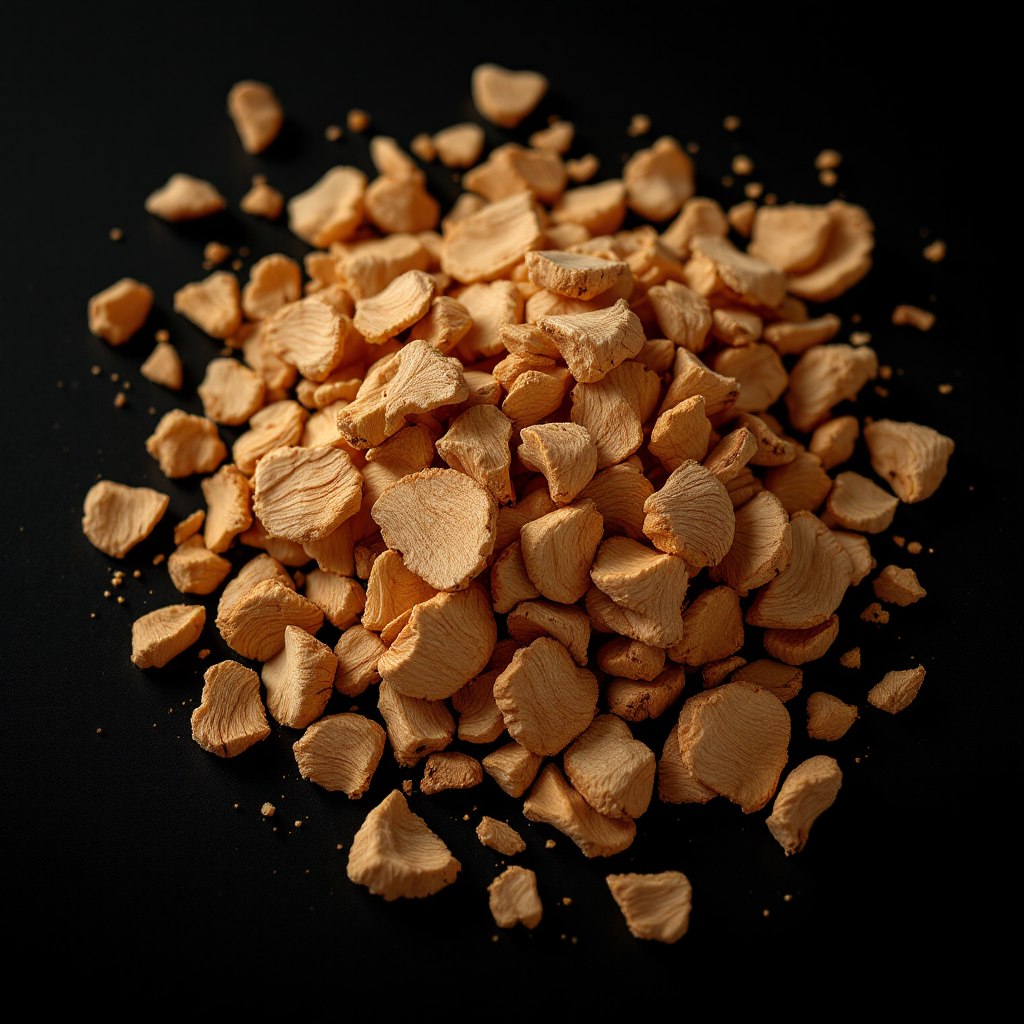
Muhuhu
Muhuhu is a rare East African heartwood oil prized for its smoky, dry character that sets it apart from creamier alternatives. Extracted from Brachylaena hutchinsii growing in Kenya's forests, this distinctive ingredient brings an earthy intensity that remains largely undiscovered by mainstream perfumery.
Character
How it smells
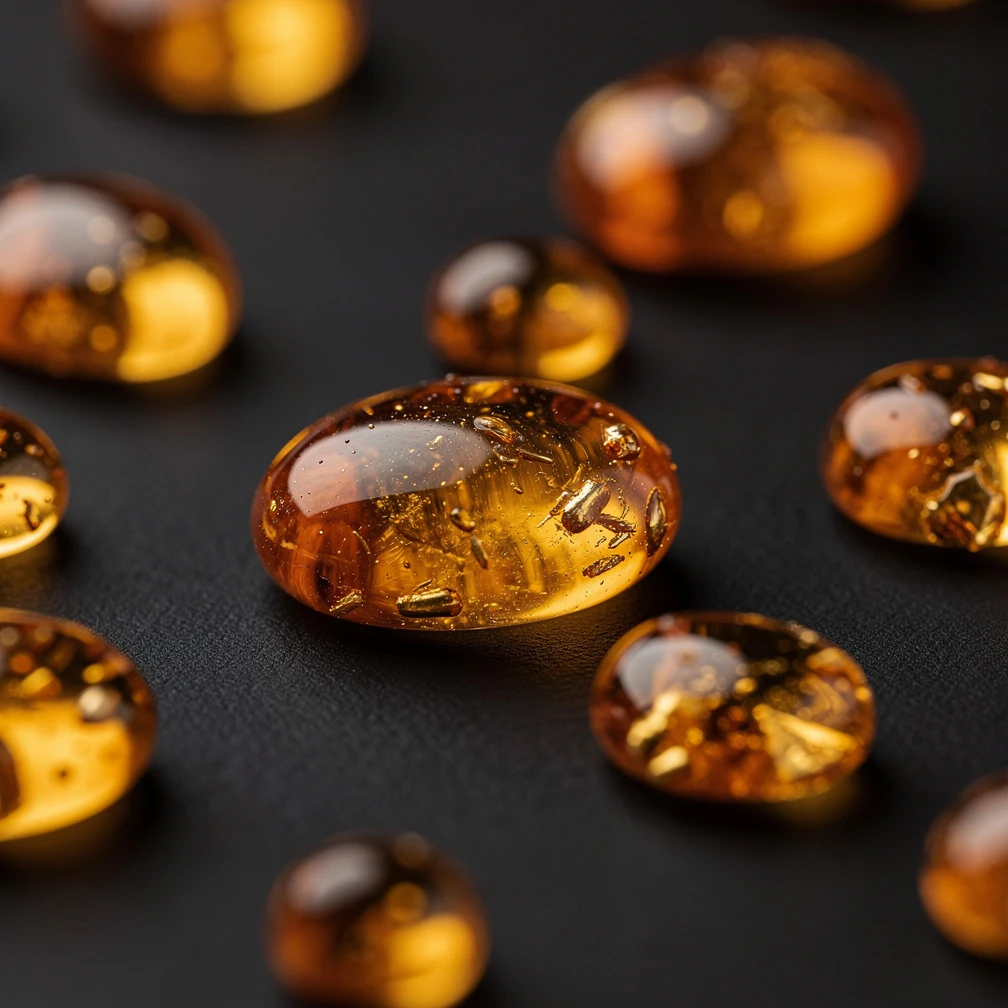
Smoky East African heartwood with dry, earthy character.
Muhuhu oil was produced only in very limited quantities as an experimental export from Kenya, making it one of perfumery's most elusive natural ingredients.




Origin
Kenya
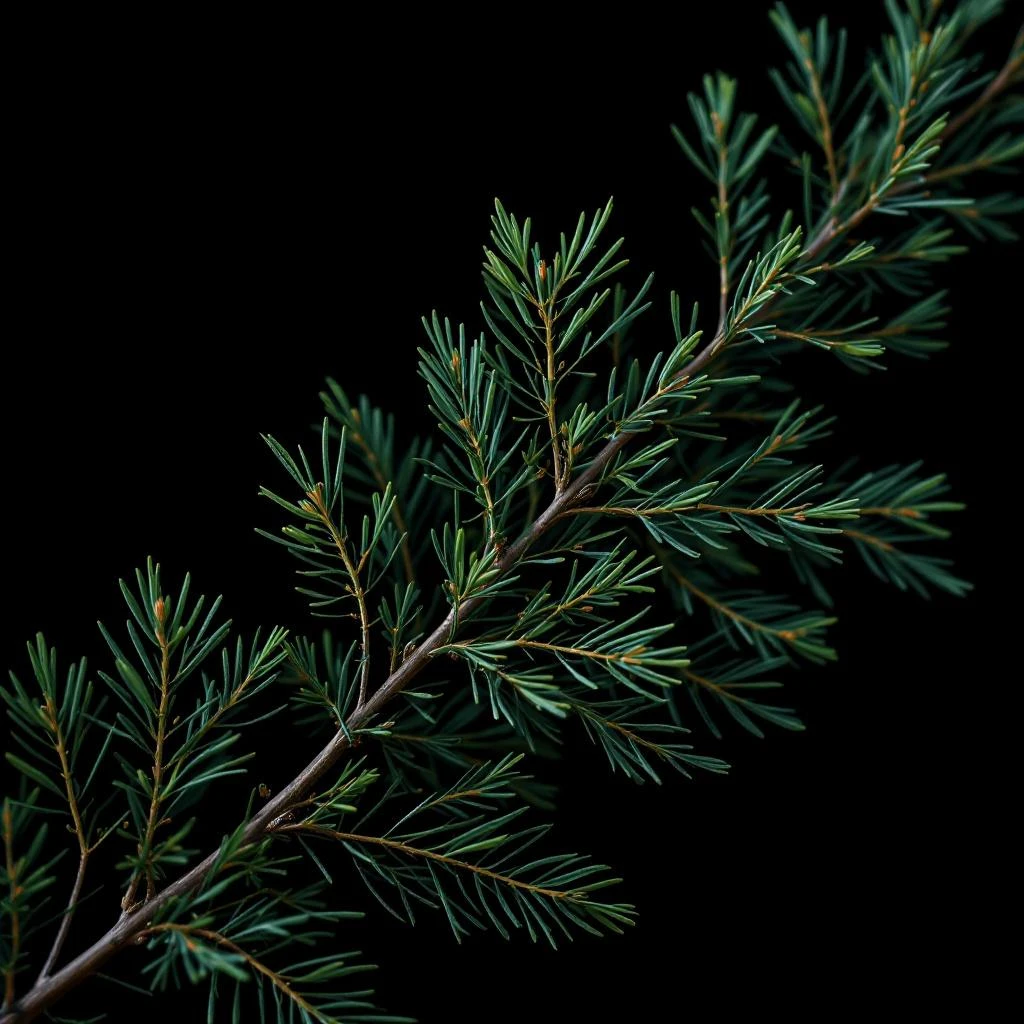
Muhuhu emerged as a perfumery ingredient through limited experimental cultivation efforts in Kenya, where Brachylaena hutchinsii grows natively in dry forest regions. The wood has long held cultural significance in East African communities, though its use in fine fragrance represents a relatively recent development. Interest in muhuhu grew partly as perfumers sought alternatives to Indian sandalwood, which faced supply pressures and increasing conservation concerns.
Unlike synthetic replacements that aim to replicate sandalwood's creamy warmth, muhuhu offered perfumers something different: a smoky, dry woodiness that could occupy a different olfactory space entirely. The experimental export phase from Kenya never fully scaled into commercial production, leaving muhuhu as a niche ingredient known primarily among natural perfumery practitioners.
Wears it best
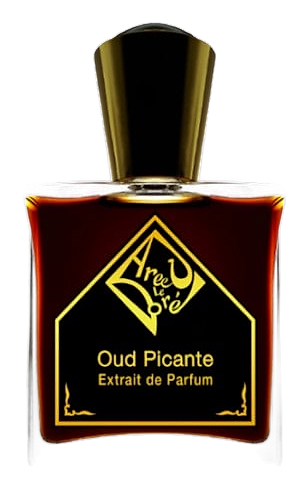
Fragrances featuring Muhuhu
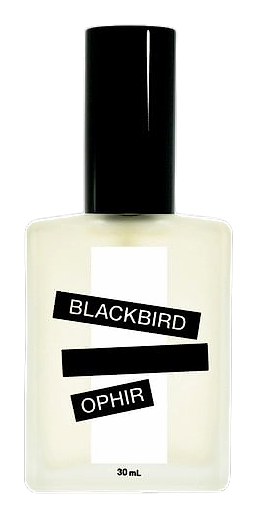
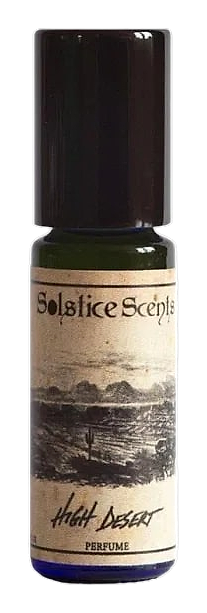
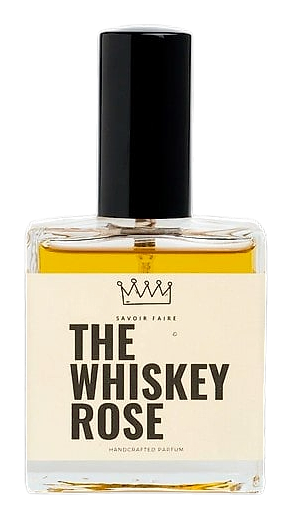
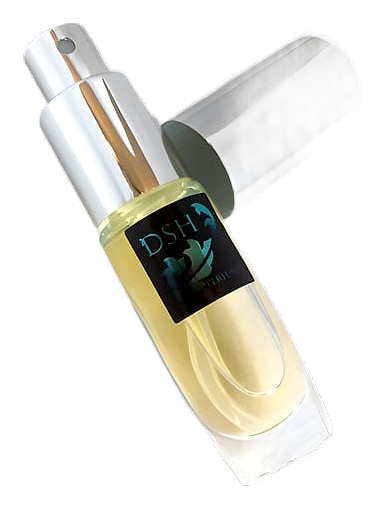

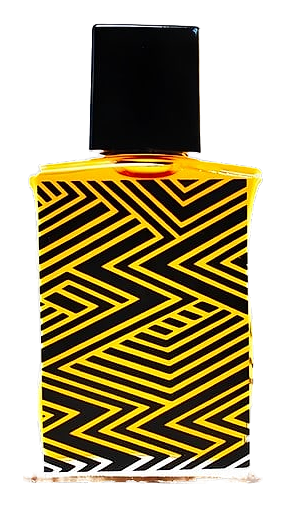
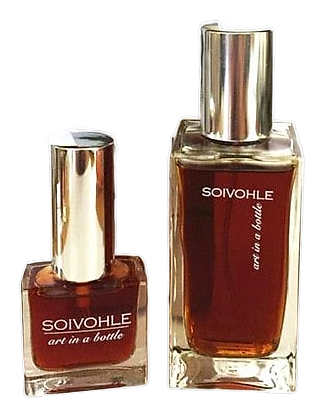
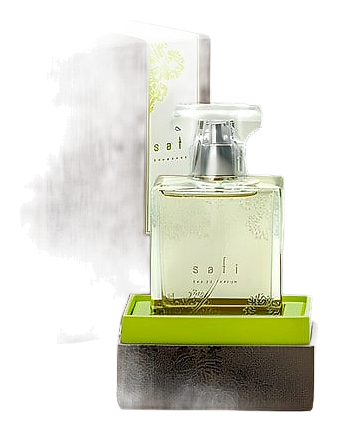
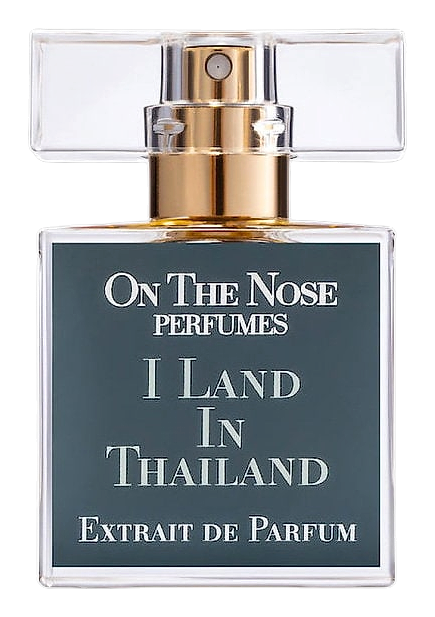
Brands
Brands known for Muhuhu
Good to know
Questions, answered
The essentials on Muhuhu in perfumery: how it smells, where it comes from, and how it behaves on skin.
What does Muhuhu smell like?
Muhuhu presents as a smoky, dry wood oil with earthy undertones. Unlike sandalwood's creamy warmth, muhuhu delivers a sharper, more austere character that some compare to burning wood or tobacco without sweetness.
Where does Muhuhu originate from?
Muhuhu comes from Brachylaena hutchinsii, a tree species native to East Africa, with commercial extraction efforts centered in Kenya where experimental production explored its potential as a perfumery ingredient.
Is Muhuhu related to sandalwood?
Muhuhu is not botanically related to sandalwood but has been explored as a perfumery alternative. The two share woody characteristics, though muhuhu's profile is distinctly smoky rather than creamy.
How is Muhuhu oil extracted?
Producers extract Muhuhu oil via steam distillation of dried heartwood. The dense inner wood is chipped, dried, and subjected to steam, which carries the aromatic compounds to a condenser where they separate from water.
Why is Muhuhu considered rare in perfumery?
Muhuhu remains rare because production was experimental and never scaled commercially. Limited cultivation, irregular supply, and small batch sizes have kept this ingredient obscure compared to established wood oils.
What perfumery family does Muhuhu belong to?
Muhuhu falls into the woody family as a base note material. Its smoky, dry character makes it useful for creating textured wood accords in fragrance compositions, particularly in natural and artisan perfumery.
Can Muhuhu replace sandalwood in formulas?
Muhuhu cannot directly replace sandalwood due to its different scent profile. Perfumers instead value muhuhu for its own identity, using it to add smoky, earthy depth rather than creamy warmth.
What parts of the Muhuhu tree are used?
Producers use only the heartwood of Brachylaena hutchinsii for extraction. The heartwood contains the highest concentration of aromatic compounds responsible for muhuhu's characteristic smoky, resinous character.