The Story
Why it exists.
The beginning
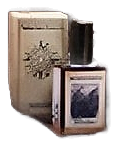
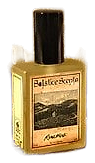
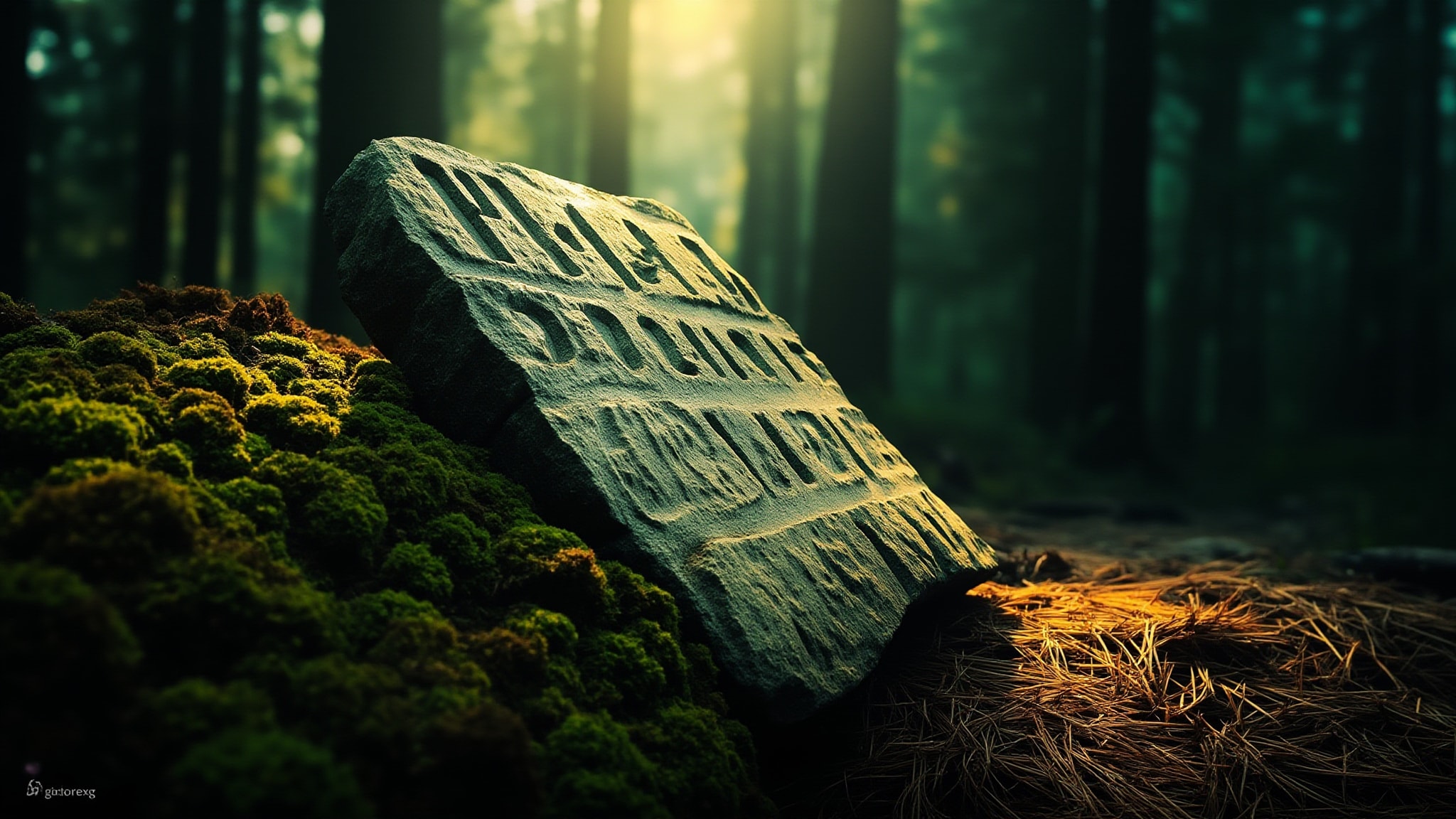
Angela St. John released Runestone in 2016 with a single idea in mind: the smell of an ancient runestone half-swallowed by a forest. Not a hiking trail, a clearing that hasn't seen a path in centuries. Where the moss has grown over carved symbols and the air smells like damp stone and cold resin. She built the formula from pure essential oils and absolutes, no aroma chemical shortcuts, to preserve a clarity and honesty that more constructed fragrances sacrifice. The composition reflects that discipline, a dense, natural material list that does exactly what she intended, and nothing else.
What makes Runestone unusual isn't a single dominant note, it's the refusal to follow the standard fragrance structure. There is no sharp citrus opening, no fruity sweetness, no obvious floral heart. Instead, the fragrance opens herbal and evergreen, slides into deep earth and oakmoss, and settles into conifer wood and soil. The material density is unusual for an EDP, 17 distinct natural materials, and that complexity reads as texture rather than confusion. Every pass through the drydown reveals something slightly different, the way real forest air changes as you move through it.
The evolution
The opening is cool, sharp, and resinous. Cypress and hinoki cypress arrive together, that slightly camphoraceous evergreen bite that smells like you've walked into a forest rather than opened a bottle. Rosemary and lavender absolute layer underneath, herbal but not sweet. The effect is less perfume than atmosphere. No bright top notes to soften it. Just cold air and pine sap. Within the first hour, the top notes begin to recede and the heart takes over. This is where Runestone earns its name. The oakmoss doesn't just support, it dominates, giving everything a dark green, almost mushroomy velvet. Earthy notes and soil absolutes come forward. White violet and violet leaf absolute add a faint cool floral edge that most people don't notice until the second wearing. The transition isn't dramatic. It simply gets quieter and deeper. By the third hour, Runestone has settled into its base, and that's where it lives longest. Pine, spruce, and cedar conifers provide the structural backbone. Patchouli and sandalwood add warmth.
Cultural impact
Runestone occupies a specific corner of the indie fragrance world, the atmospheric forest category that Solstice Scents has built its reputation on. Within that community, it sits alongside pieces like Foxcroft Fairgrounds and During the Rain as one of the brand's most deliberately challenging compositions. It doesn't aim to smell pleasant in the conventional sense. It aims to smell like a place. That divide, between fragrance as object and fragrance as environment, is what makes Runestone a conversation piece within niche circles rather than a widely dispersed mainstream scent.