The Story
Why it exists.
The beginning
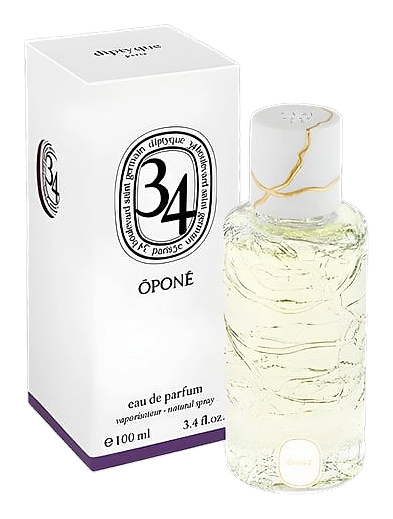
Olivia Giacobetti composed Ôponé around Turkish rose, but this isn't the rose your grandmother wore. Giacobetti's work for Diptyque has produced some of the brand's most uncompromising compositions, and Ôponé stands among them. The name carries an ancient resonance, suggesting something resinous and ritualistic, though the fragrance itself moves far from any temple smoke. Giacobetti built something feral here: cumin's sweaty warmth, saffron's metallic edge, guaiac wood's smoky char. The rose threads through these rougher materials like a thread of silk pulled through rough cloth. The result reads like a fragrance that wandered out of an old apothecary and refused to apologize. There's nothing polite about the composition, nothing that asks permission before arriving.
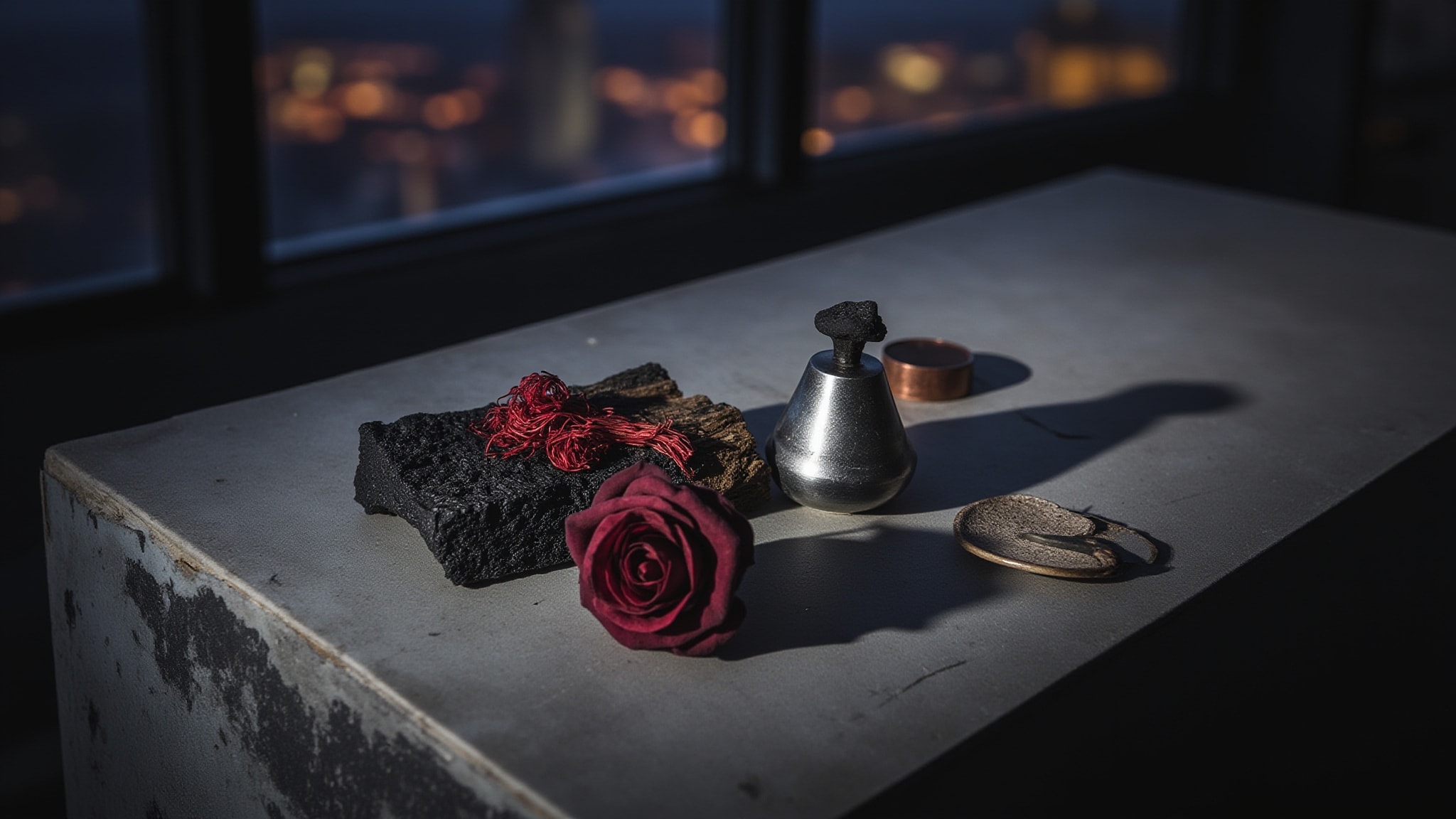
What makes this composition unusual is its refusal to soften the spices. Ôponé does the opposite of what you'd expect from a floral-led fragrance. The cumin hits with that almost-medicinal sharpness, the saffron carries a leathery bitterness, and the guaiac wood smokes underneath like something's actually burning nearby. Turkish rose threads through the whole thing, but it's a rose that's been left out in the cold, not one pinned to a lapel. The metallic quality running through the heart gives it that slightly unsettling edge, the kind of note that makes you sniff your wrist twice.
The evolution
The opening is almost confrontational. Cumin and saffron land within the first moments, sharp and warm at once, with a metallic edge that reads more like cold steel than soft metal. Turkish rose appears early but stays quiet, waiting in the wings while the spices take their loudest positions. As the composition settles, the spices begin to mellow just enough for the rose to step forward, and that's when the fragrance finds its strange center: floral but smoky, sweet but slightly sour, beautiful but not easy. The interplay between rose and spice creates a tension that never fully resolves. Guaiac wood takes over the base as hours pass, creating a dry, smoky platform that feels like sitting near a fireplace that's mostly embers. The smoke carries a tarry quality, almost medicinal in its persistence.
Cultural impact
Ôponé has earned a reputation as a fragrance that doesn't apologize for its own intensity. It's the kind of composition that divides people cleanly: those who connect with it tend to be drawn to perfumery that doesn't explain itself, that asks the wearer to meet it on its own terms. The fragrance doesn't fit neatly into mainstream trends or seasonal rotations. It shares a certain smoky, spiced character with other compositions in the rose category but doesn't belong to any easy category or commercial wave. For those seeking something beyond the familiar landscape of safe rose fragrances, Ôponé offers a genuine alternative.