The Story
Why it exists.
The beginning
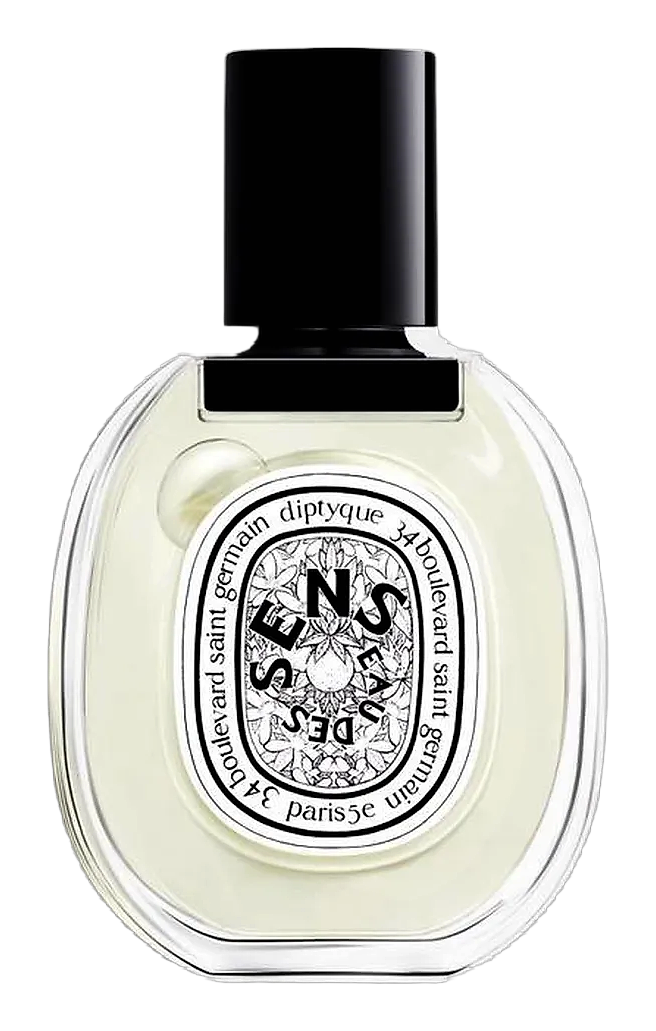
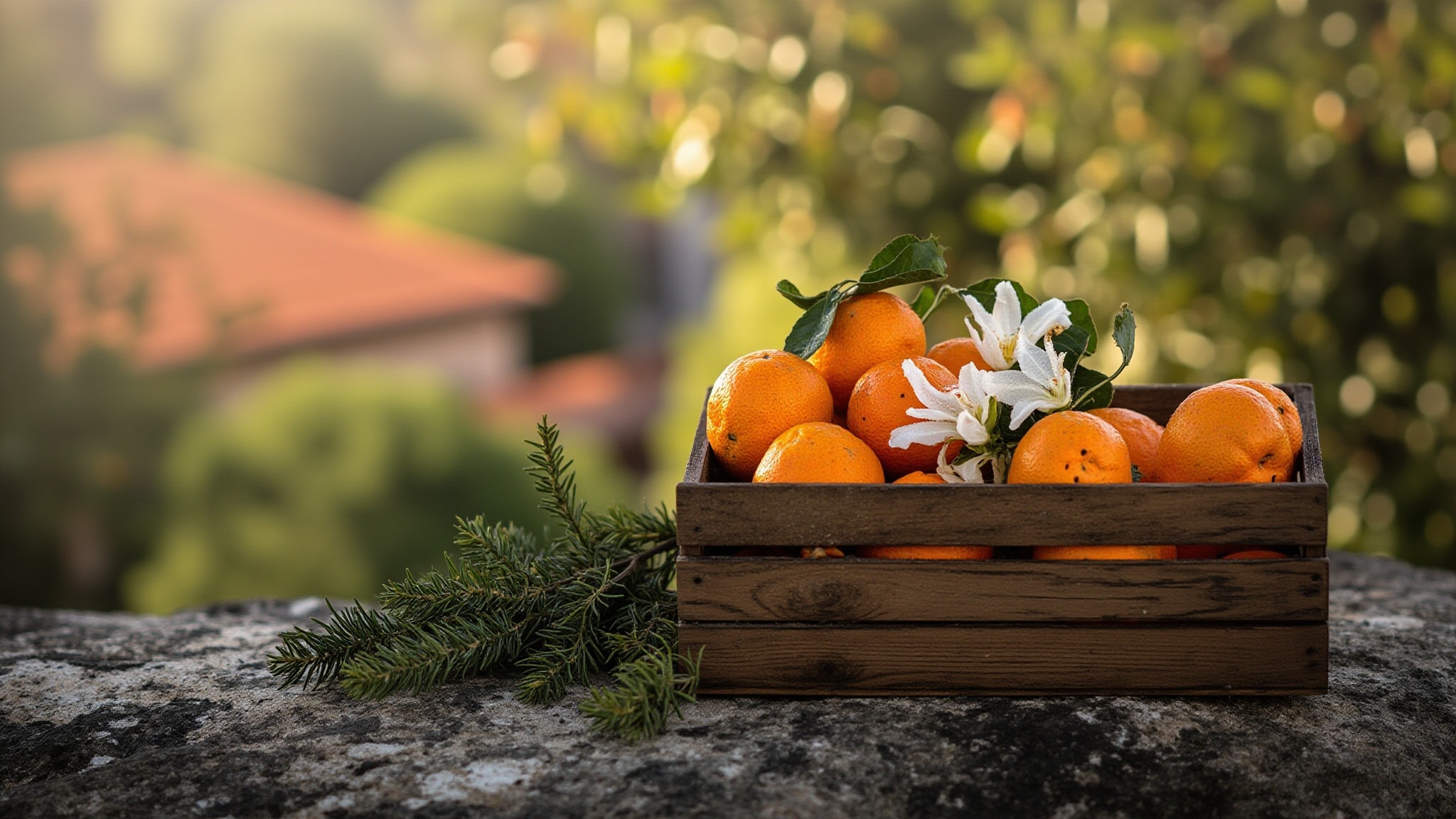
Diptyque began on Boulevard Saint-Germain in Paris as a destination for scented candles and unusual objects, eventually becoming one of the most influential niche houses in perfumery. The compositions have a textured, literary quality to them, with something approaching an artisanal approach to material selection. Eau des Sens is built around the bigarade, bitter orange, and the Diptyque approach treats every part of this ingredient as worth exploring. The official description frames it as a fragrance that unites every dimension of the bigarade in one composition. Olivier Pescheux did not try to replicate the experience of a single element of the bitter orange tree. Instead he worked to capture the whole cycle, from blossom to fruit to peel, treating each as equally valid material for composition.
The philosophy behind Eau des Sens treats each element of the bitter orange as worth equal attention. Orange blossom and bitter orange appear at the opening not as competing signals but as complementary expressions of the same botanical source. Juniper berries bridge the transition to the base, demonstrating how Diptyque thinks about the overall arc of a fragrance rather than isolated moments. The drydown of angelica and patchouli shows the brand willingness to introduce earthy notes that ground a composition that might otherwise remain purely fresh.
The evolution
The fragrance unfolds in distinct stages that reflect the Diptyque philosophy of treating botanical ingredients as a complete system. The opening presents orange blossom and bitter orange tog ether, creating an immediate brightness that is both floral and tart. Juniper berries then arrive as an aromatic heart note that adds structure and continuity, extending the green character while subtly shifting the balance away from pure citrus. The transition is smooth, with the juniper functioning almost like a connecting thread between the opening and the base. Angelica and patchouli arrive in the drydown, introducing mineral and earthy dimensions that ground the composition and extend its presence on skin for several hours. This final phase transforms the fragrance from bright to grounded, revealing the depth that Diptyque intended when they described the scent as encompassing every dimension of the bigarade.
Cultural impact
Eau des Sens draws attention for its treatment of the bitter orange tree, taking an ingredient that often appears fleetingly in perfumery and exploring it completely. The result is a fragrance that avoids the typical citrus trajectory, where bright opening notes give way to a thin drydown. Instead, the scent maintains its character throughout, with the green and slightly bitter facets providing contrast against the sweeter floral elements. It's the kind of fragrance that sits comfortably in the Diptyque lineup, sharing a certain restraint and attention to structure with the rest of the collection.