The Story
Why it exists.
The beginning
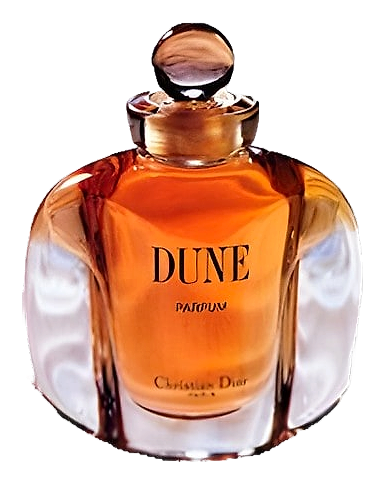
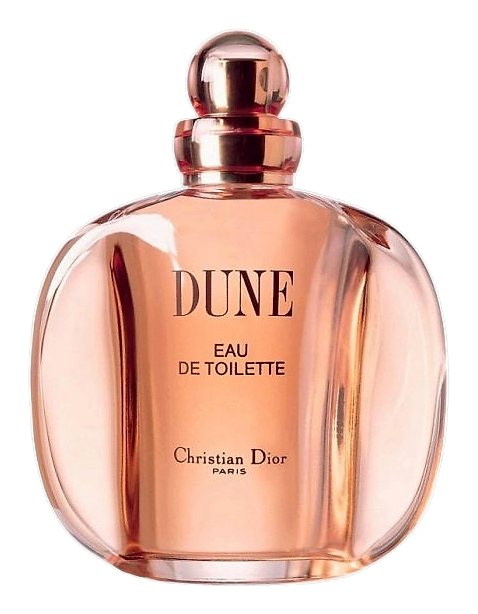
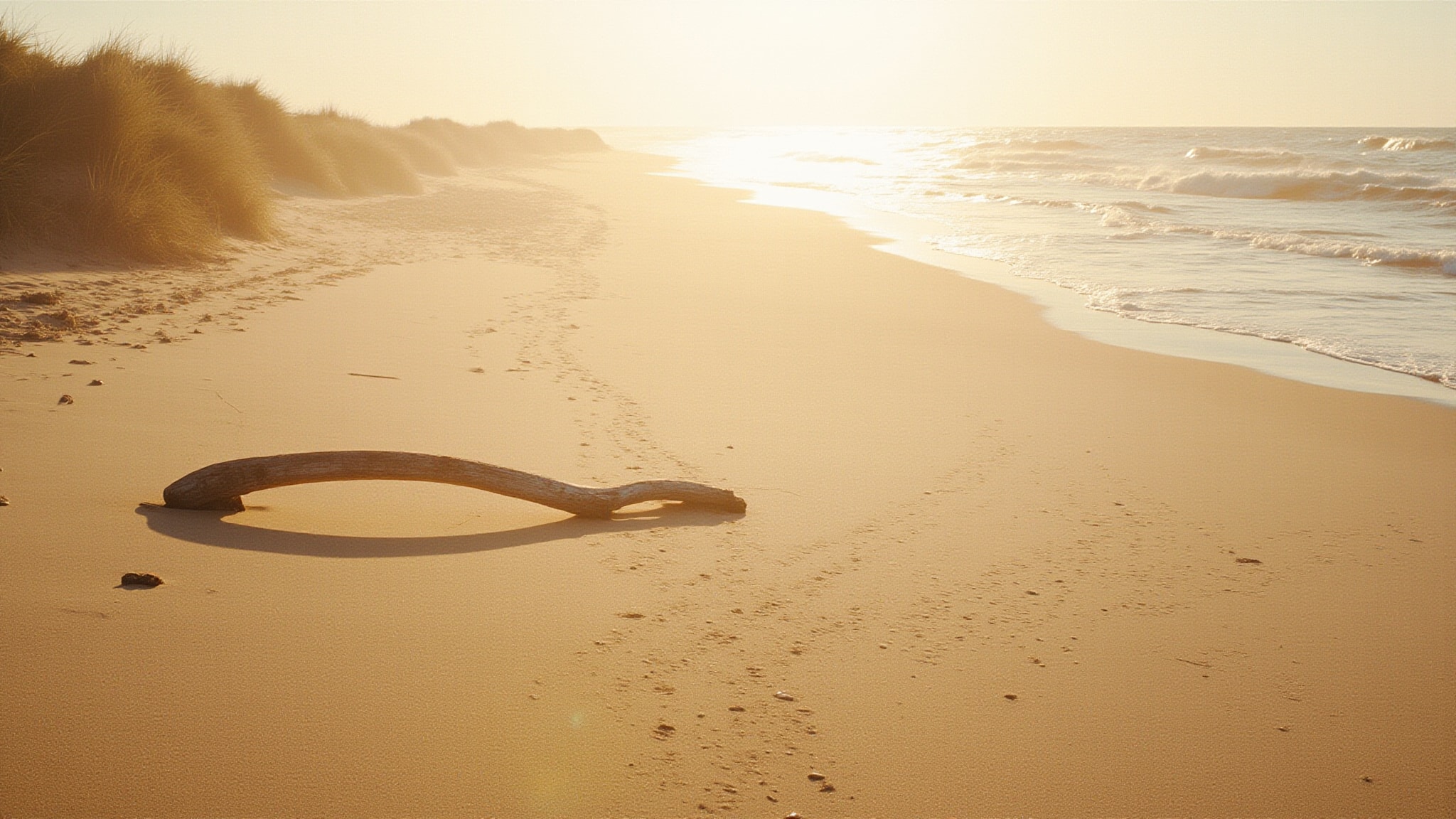
Dune launched in 1991. The brief, drawn from Dior's marketing tagline, was to capture 'fresh, subtle echoes of sky meeting sea.' Jean-Louis Sieuzac, working with Nejla Barbir and Dominique Ropion, set out to translate that horizon into something wearable. Not a literal ocean scent, but the emotional temperature of standing at the shore when the light turns gold. The result was a composition that felt unlike anything else in Dior's lineup at the time, a departure from the house's earlier signatures, something airier and more atmospheric than what had come before. The perfumers leaned into aldehydes to create that sense of openness, then grounded the composition with warm woods and resins so the breeziness never tipped into something thin.
What makes Dune's structure interesting is how the aldehydes do the heavy lifting at the top. Instead of sharp citrus brightness, they read as atmospheric, almost marine, giving the whole composition a breeziness that Brazilian rosewood and mandarin deepen into something warmer. The heart doesn't shout. Ylang-ylang, jasmine, lily, and rose layer without competing, each one kept just translucent enough to feel like memory rather than declaration.
The evolution
The first fifteen minutes feel almost effervescent. Aldehydes lift the mandarin and bergamot into something almost startling, a clean brightness that carries the faintest metallic haze, like sun glaring off water. There's no sharpness here, just openness. Then the florals arrive. Ylang-ylang brings its creamy, banana-tinged warmth, jasmine adds indolic depth, and lily softens everything into something almost sheer. The rose sits underneath, not a soliflore but a blush, painting the whole middle phase in pale gold. By the third hour, the base has settled in fully. Sandalwood and benzoin give it a milky warmth, while oakmoss and patchouli anchor with that classic Dior earthiness. The vanilla is quiet, almost background. Musk ties it all together against skin. As the hours pass, what's left is warm sandalwood, a whisper of ambergris, and the softest trace of the florals that started it all.
Cultural impact
Dune won a FiFi Award in 1993, a formal recognition from one of the industry's most established awarding bodies. That early accolade helped cement the fragrance's reputation at launch, but its longer story is about endurance. The ocean-themed floral introduced a kind of warmth and breadth that felt different from what surrounded it at the time, a composition that traded sharp projection for atmosphere. Its continued presence in Dior's lineup speaks to something lasting in its construction. Wearers who reach for it now tend to value that warmth, the way it suggests the coast without trying to bottle it.