
The Story
Why it exists.
The beginning
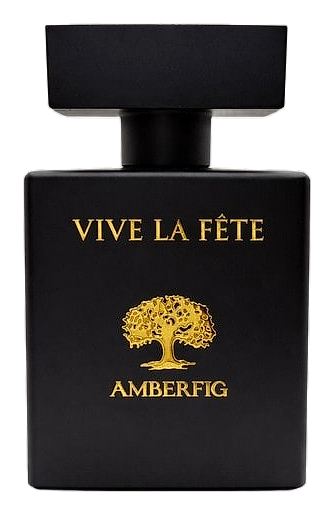
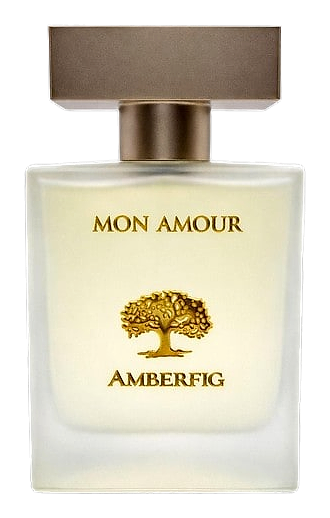
Mon Amour arrived in 2025 as a limited Amberfig release created by David Magalhães. Its inspiration points to Stromae's song of the same name, and the brief turns that idea into a fragrance portrait rather than a literal soundtrack. Fresh green florals and clean clothes establish the surface. A cigarette-like touch of ajowan introduces friction, while castoreum and civet bring the animalic underside. The result is elegant, but not polished beyond recognition. It is a composition built around the tension between a respectable exterior and what lingers beneath it.
The unusual part is the collision inside the heart. Peony, Damask rose, Lily, iris, and green notes make a classic floral surface, but Ajowan pulls a dry, herbal, almost smoky thread through it. That prevents the bouquet from becoming merely pretty. Meanwhile, Ambergris, Castoreum, and Civet give the base a skin-like warmth that feels more textured than airy. The composition belongs to both floral and fougère worlds, with fruit at the opening and a distinctly animalic finish.
The evolution
The first impression is sharp and green: Blackcurrant, Bergamot, and Ajowan bring fruit, citrus, and a clean herbal spark. As that brightness recedes, Peony, Damask rose, Lily, iris, and green notes expand into a fuller floral register. The iris becomes especially creamy, changing the mood from fresh-cut to elegant and slightly smoky. In the drydown, Ambergris, Castoreum, and Civet move close to the skin, leaving a warm animalic trace rather than a heavy sweet cloud. After roughly 4-6 hours, the fragrance is quieter, but the strange contrast remains: fresh flowers, dry herbs, and skin.
Cultural impact
Mon Amour sits within Amberfig's participatory approach to fragrance discovery, where the wearer is invited to build a collection through curiosity rather than inherit one fixed idea of taste. Its fresh floral-green profile and restrained animalic base place it in a polished contemporary register, with the cigarette-like ajowan note adding a more personal, character-driven edge.
The House
AmberfigAmberfig occupies a distinctive space in contemporary perfumery, presenting itself as a niche fragrance house with a collaborative approach to creation. The brand emerged in 2014, making it a relatively young player in a field that includes houses with centuries of history, yet it has built a catalog spanning over a decade with releases that range from 2015 through 2026. The name Amberfig itself suggests a signature aesthetic rooted in warm, resinous materials alongside green or fruity facets, though the house has demonstrated range across multiple fragrance families. According to fragrance databases, Amberfig has produced at least ten distinct releases, with perfumers credited as collaborators rather than house perfumers, suggesting a model that brings in external expertise for individual projects. The brand appears to operate without the extensive media presence of established heritage houses, instead building recognition through its olfactory offerings and community discussion. This positioning reflects a broader trend in niche perfumery where smaller, more experimental houses can reach global audiences without traditional retail infrastructure.
The Creator
David MagalhãesHis signature style leans toward rich, resinous constructions with prominent amber and fig influences, evident in creations like Amberfig. Magalhães demonstrates particular skill with warm oriental frameworks, layering creamy woods, sweet resins, and subtle spice to create fra…