Ajowan
Ajowan delivers a sharp, thyme-like intensity that cuts through compositions with medicinal warmth. Its thymol-rich seeds have perfumed rituals and remedies across the Indian subcontinent for millennia, yet the fragrance world still underutilizes this potent spice.

Character
How it smells
Thyme's sharper cousin, from seed to scent.
Ajowan belongs to the same botanical family as cumin, caraway, and dill, yet its thymol-dominant chemistry produces a scent closer to wild thyme than any of its kin.



Origin
India
Ayurvedic texts dating to ancient India document ajowan as a digestive remedy and ceremonial incense component centuries before the Common Era. Indian households have kept ajowan seeds in the pantry and the apothecary simultaneously, using them to flavor bread, stews, and chai while relying on the same seeds to ease colic, bloating, and respiratory discomfort.
The plant likely originated in the region spanning modern-day India and Iran, spreading outward along ancient trade routes into Egypt, the Levant, and the eastern Mediterranean. Persian physicians of the medieval period adopted ajowan into their pharmacopoeias, and Arab traders carried the seeds across the Indian Ocean trade network.
When perfumery began expanding beyond natural attars and resins into the broader botanical repertoire during the 19th and 20th centuries, ajowan remained primarily a culinary and therapeutic ingredient. Contemporary natural perfumers have recently revisited it as a fixative and accent note in oriental and aromatic constructions, recognizing that its bold, medicinal warmth adds depth that synthetic replacements struggle to reproduce authentically.
Wears it best
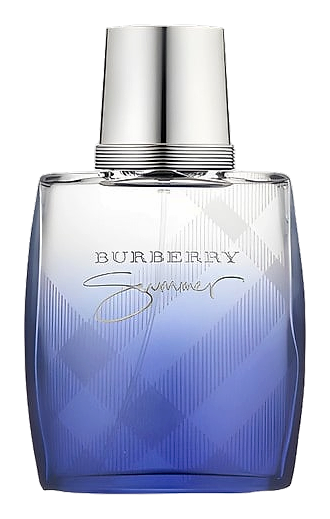
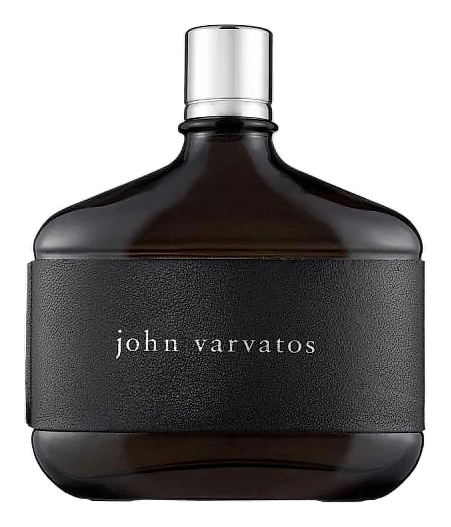
Fragrances featuring Ajowan

Brands
Brands known for Ajowan
Good to know
Questions, answered
The essentials on Ajowan in perfumery: how it smells, where it comes from, and how it behaves on skin.
What does ajowan smell like?
Ajowan carries a sharp, spicy aroma dominated by thymol, producing a scent profile closer to wild thyme than to culinary spices like cumin or caraway, despite botanical kinship with both.
Is ajowan used in mainstream perfumery?
Ajowan remains relatively niche in commercial fragrance, appearing mainly in artisanal and natural perfume houses that work with botanical ingredients for oriental and aromatic constructions.
What part of the ajowan plant is used for fragrance?
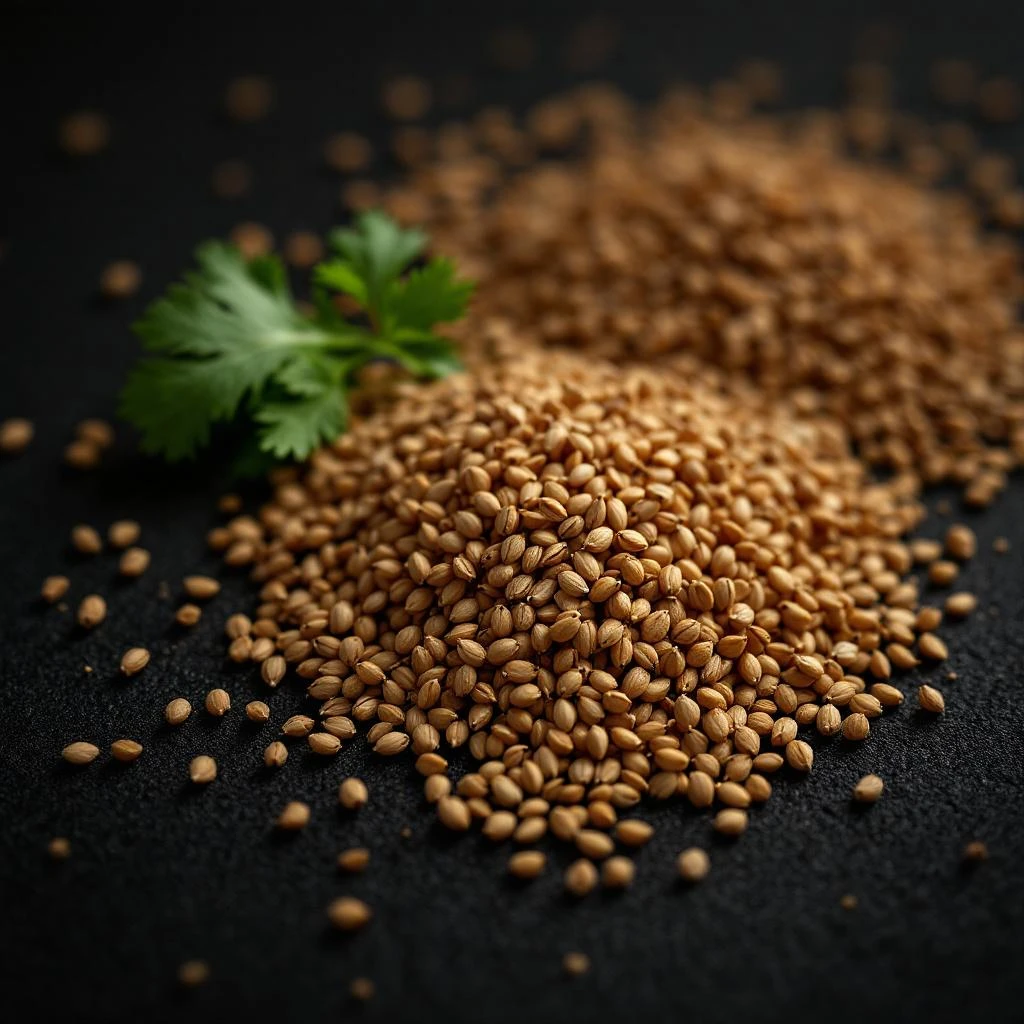
Perfumers use the small, dried fruits of Trachyspermum ammi, commonly called seeds, which contain the highest concentration of thymol-rich essential oil.
How is ajowan essential oil produced?
Steam distillation of dried ajowan fruits yields the essential oil, typically producing 2 to 5 percent oil by weight from the plant material.
Where does ajowan originate from?
Ajowan likely originated in the region spanning modern India and Iran, where it has grown for centuries and continues to be produced in the largest quantities.
What is ajowan's role in traditional medicine?
Ayurvedic and Persian medical traditions used ajowan seeds to address digestive complaints, respiratory conditions, and as a general antiseptic, reflecting the oil's antimicrobial thymol content.
Can synthetic thymol replicate ajowan in perfumery?
Synthetic thymol provides the dominant note but misses the complex, whole-plant nuance of naturally steam-distilled ajowan oil, which retains trace compounds beyond thymol.
What fragrance families pair well with ajowan?
Ajowan works particularly well in oriental, chypre, and aromatic compositions, adding warm, medicinal depth when combined with resins, woods, and other herbaceous materials.