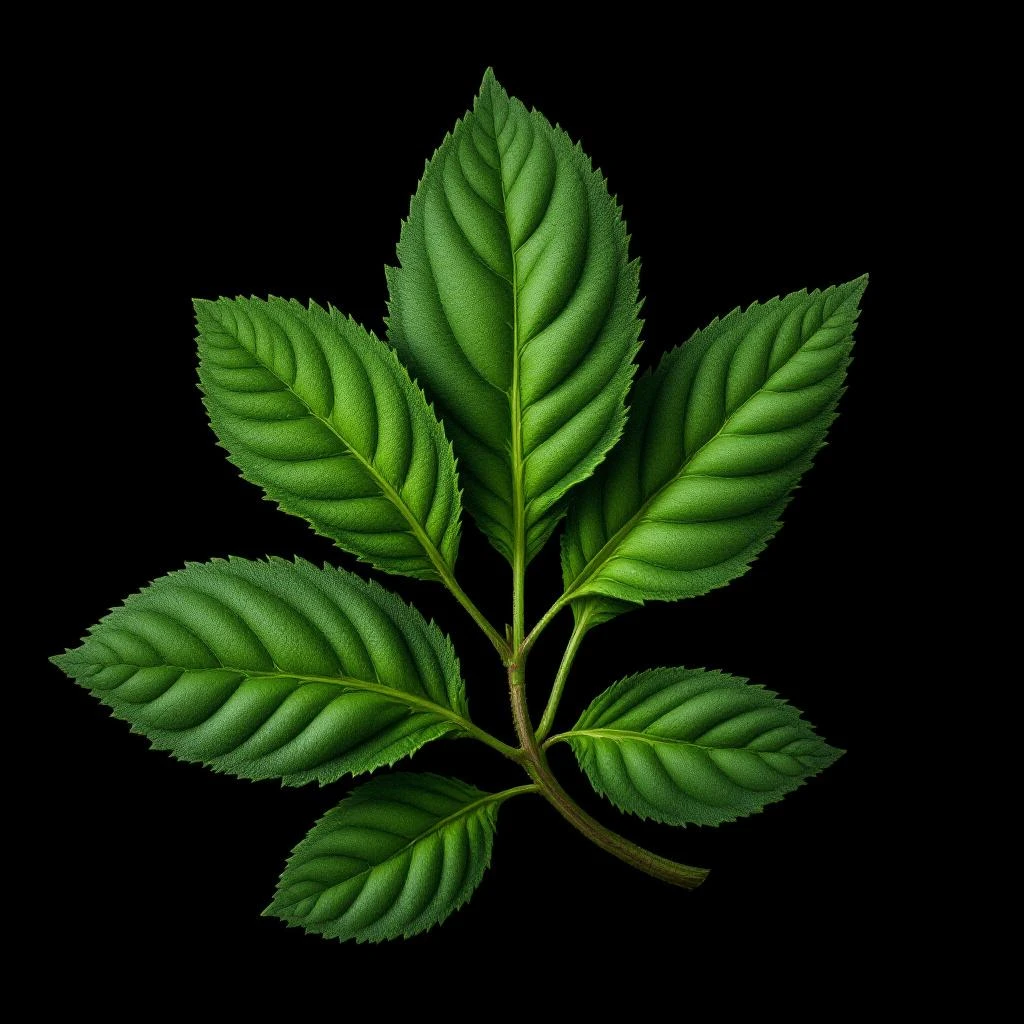
Tamarind leaf
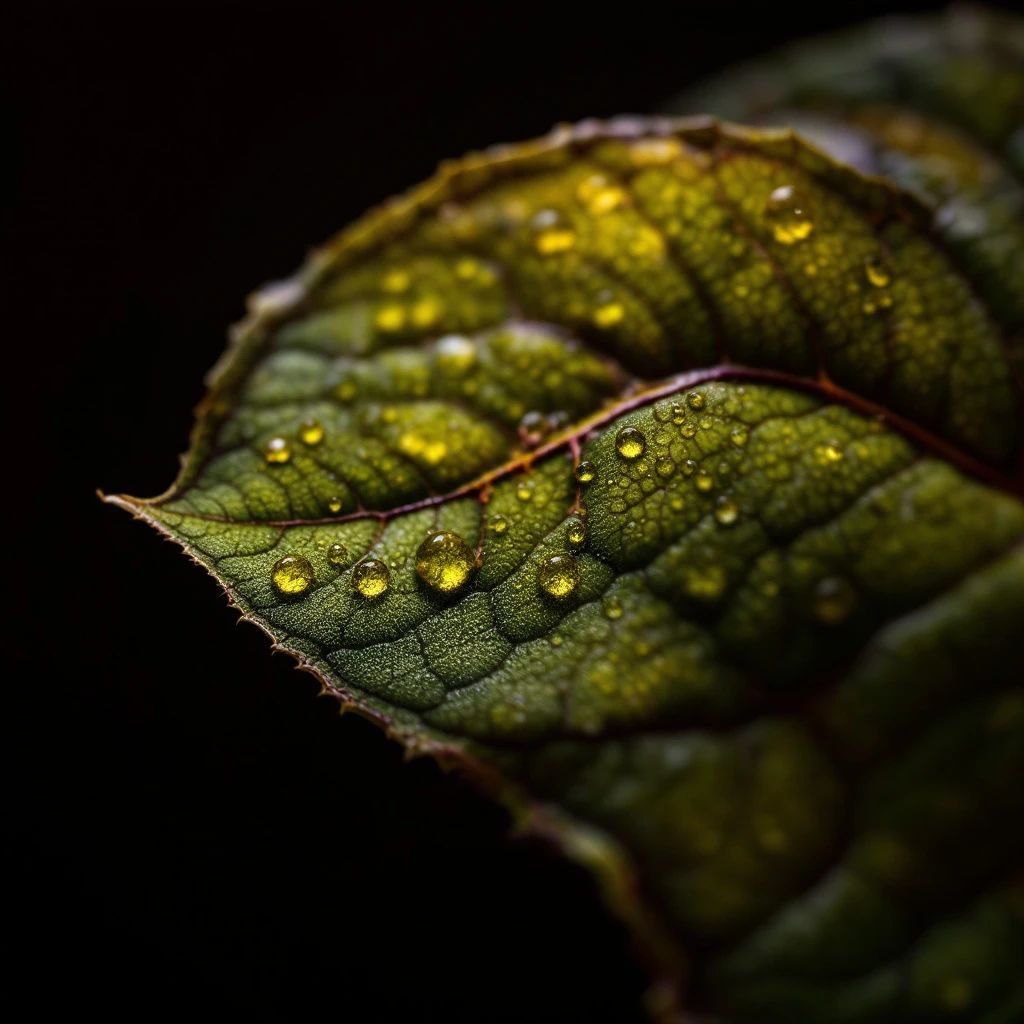
Tamarind leaf delivers a crisp, verdant freshness to perfumery — tart and mineral with a faint balsamic undertone that grounds bright citrus and green compositions.
Character
How it smells
Green, tart, and unexpectedly luminous.
While tamarind fruit has been used in cooking for centuries, the leaf's aromatic potential in perfumery only became accessible after advances in steam distillation during the late 20th century.





Origin
India
Tamarind (Tamarindus indica) originated in tropical Africa but became integral to Indian culture and medicine over 2,000 years ago. Ancient Ayurvedic texts reference tamarind preparations for digestive and respiratory concerns. While the pulpy fruit dominated culinary and medicinal use across Asia, the leaf remained largely unexamined by Western perfumers until the globalization of fragrance ingredients in the mid-20th century.
Indian and Southeast Asian traditional medicine utilized tamarind leaf in poultices and decoctions, recognizing its astringent properties long before analytical chemistry could explain why. The ingredient entered modern perfumery vocabulary as designers sought to expand green note repertoires beyond traditional galbanum and fig leaf, finding in tamarind leaf a way to introduce mineral-tart freshness with unmistakable tropical character.
Wears it best
Fragrances featuring Tamarind leaf

Brands
Brands known for Tamarind leaf
Good to know
Questions, answered
The essentials on Tamarind leaf in perfumery: how it smells, where it comes from, and how it behaves on skin.
What does tamarind leaf smell like in perfume?
Tamarind leaf reads as a bright, tart green note with mineral undertones. It combines the crispness of fresh-cut herbs with a subtle lactic tartness reminiscent of unripe fruit, creating a natural freshness that differs from sharper citrus or medicinal green notes.
Is tamarind leaf a top, middle, or base note?
Perfumers classify tamarind leaf primarily as a heart note. Its moderate volatility allows it to anchor compositions between bright opening accords and deeper dry-down elements, though in lighter concentrations it can function as a substantive top note.
What compounds give tamarind leaf its scent?
Tamarind leaf contains furan derivatives and tartaric acid compounds that create its distinctive tart-green signature. These molecules contribute mineral-like qualities alongside the ingredient's natural acidity, distinguishing it from other green materials like galbanum or violet leaf.
Which ingredients pair well with tamarind leaf?
Tamarind leaf harmonizes with citrus oils like lime and bergamot, other green notes such as fig leaf or palm, and warm bases including sandalwood and amber. It addslift and complexity to tropical, aquatic, and chypre compositions.
Is tamarind leaf natural or synthetic?
Tamarind leaf exists as a natural aromatic material obtained through steam distillation. However, key aromatic compounds like specific furan derivatives can be synthesized, allowing fornature-identical versions that reproduce the ingredient's character at different price points.
Where does tamarind leaf for perfumery originate?
India produces the majority of tamarind leaf used in fine perfumery, though the tree also grows extensively across Southeast Asia and tropical Africa. Indian tamarind leaf oil is particularly prized for its consistent tart-green profile.
How does tamarind leaf differ from tamarind fruit in fragrance?
Tamarind fruit contributes sweet-tart, jammy qualities with caramel undertones, while the leaf delivers crisp, verdant freshness with mineral and balsamic notes. The leaf provides green complexity that the fruit cannot, making them complementary rather than interchangeable.
What fragrances feature tamarind leaf as a prominent note?
Tamarind leaf appears across various fragrance families, from aquatic-fresh scents where it boosts green character to amber compositions where its tartness balances sweetness. Consult specific fragrance listings to identify current products highlighting this material.