The Story
Why it exists.
The beginning
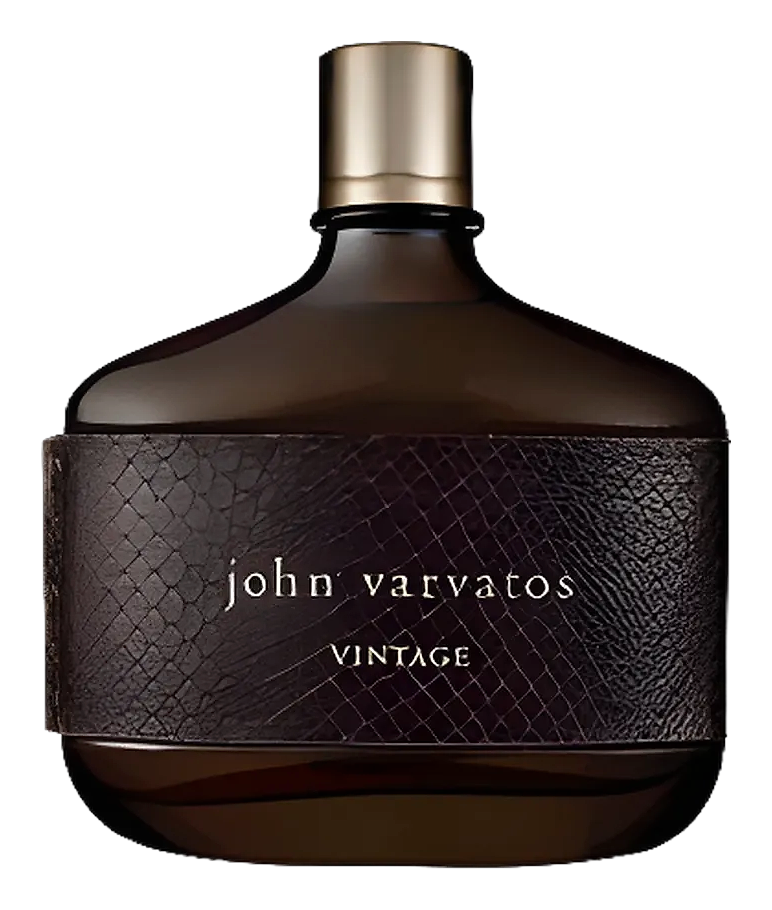
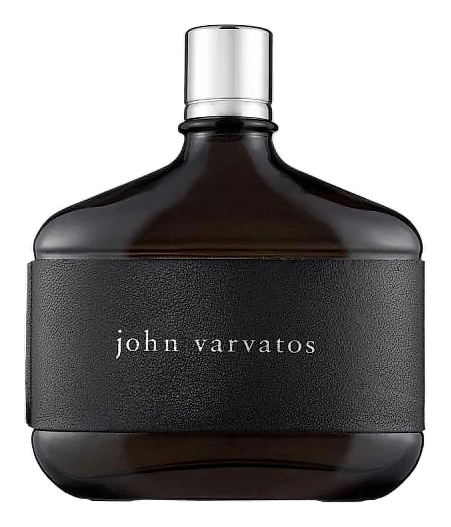
Rodrigo Flores-Roux built this fragrance in 2004 as John Varvatos's first men's scent, a direct expression of the brand's American rock-and-roll ethos. Where other fashion houses approached fragrance as an accessory, Varvatos treated it as a signature. The brief was simple: capture the sensibility of a designer who built his reputation on leather jackets, vintage silhouettes, and a refusal to be polished. Flores-Roux answered with a composition that opens green and herbaceous, turns warm and spicy at its center, and resolves into a leather-oud drydown that stays close to the skin but refuses to be forgotten.
What makes this structure unusual is the combination of Medjool dates with herbal top notes, a sweetness that arrives already weathered, already grounded, never girlish. The ajowan and coriander seed in the heart add a warm spice that bridges the green opening and the balsamic base without ever becoming safe or predictable. The black leather note doesn't announce itself; it accumulates. By the drydown, it's the dominant impression, backed by oud, vanilla, and amber that give it warmth without softness.
The evolution
The opening hits with immediate green intensity, herbaceous, slightly tart, the kind of freshness that reads as outdoor rather than aquatic. Within minutes, the dates arrive: slow, caramel-like sweetness that tempers the green without erasing it. The transition to the heart is gradual. Clary sage introduces itself as an aromatic warmth, and the coriander seed and ajowan build from there, a slow accumulation of spice that starts to push the green into the background. The leather doesn't appear all at once. It emerges quietly around the 45-minute mark, mixing with the balsamic base notes that are already establishing themselves. By the second hour, the leather and amber are in full control. The oud and vanilla anchor the drydown into something resinous and warm. On most skin types, this phase lasts four to six hours, the leather staying close, intimate, but persistent. The next day, a faint trace of amber and leather remains on fabric.
Cultural impact
As the inaugural men's fragrance from a brand that built its identity on rock-and-roll authenticity, this scent arrived in 2004 as a statement of intent. It positioned itself not as a fashion accessory but as a signature, the olfactory equivalent of a leather jacket and vintage jeans. Wearers describe it as the fragrance of someone who doesn't need to announce themselves. Over two decades later, it remains a reference point for leather-forward Orientals that refuse to be polite.