The Story
Why it exists.
The beginning
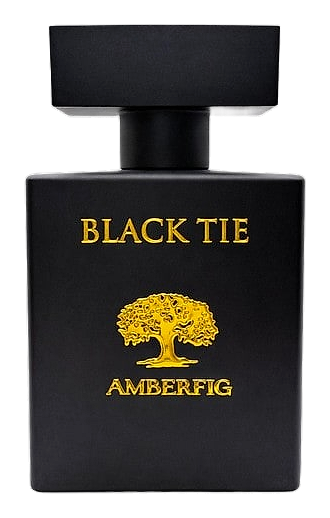
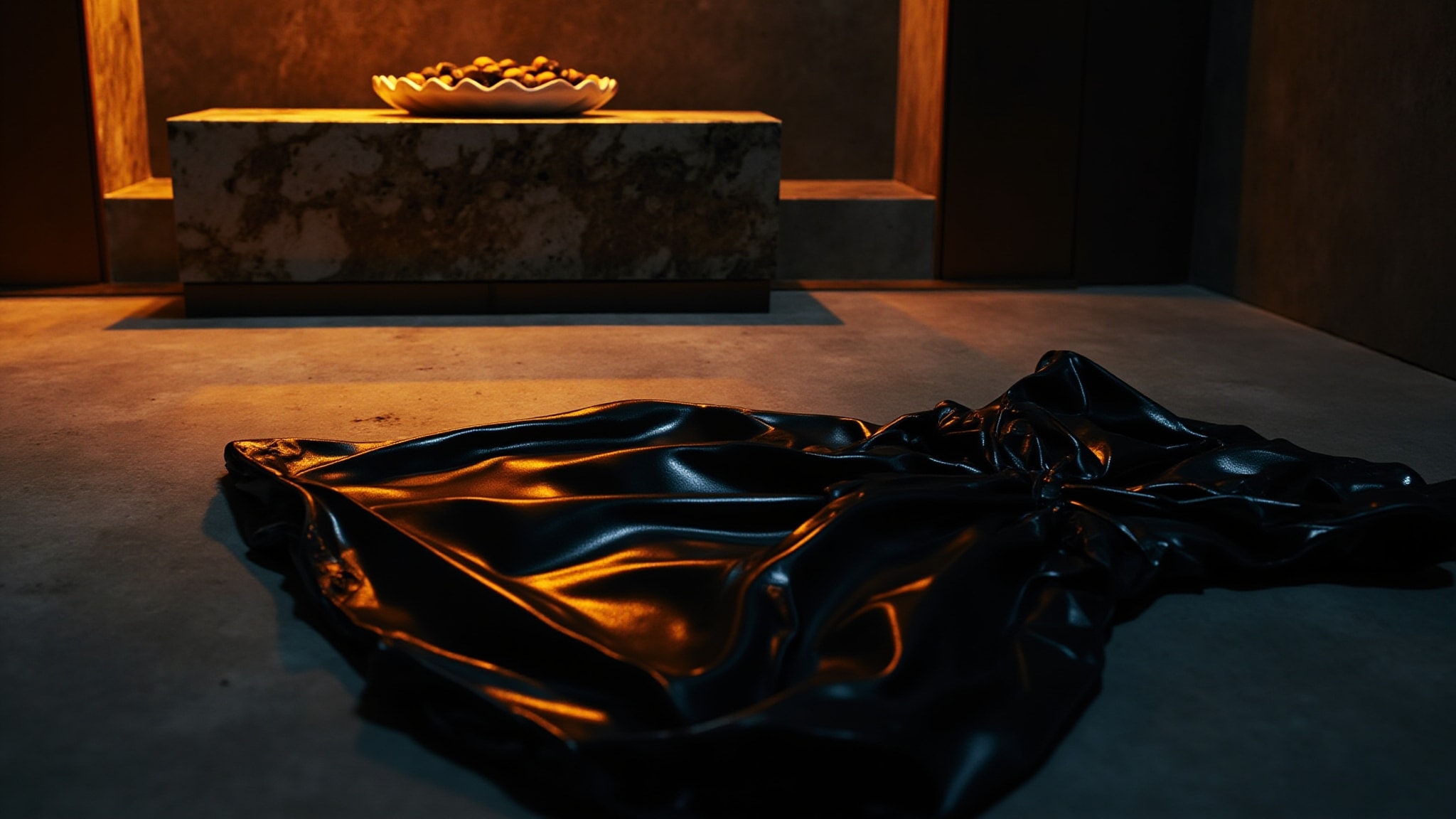
Black Tie launched in 2025 as a collaboration between Amberfig and perfumer David Magalhães. The composition treats formality as something with a pulse beneath the surface. Leather and raspberry establish the central tension immediately: one dry and dark, the other bright and confectionary. Around them, castoreum gives the opening an animalic edge, while caramel, myrrh, iris, and tobacco add sweetness, incense, powdery elegance, and smoke. The result isn’t a quiet suit fragrance. It’s the finishing detail that makes a social entrance feel deliberate.
The composition is built around contrast without becoming a game of opposites. Leather supplies structure, raspberry brings a sudden lift of fruit, and castoreum keeps the opening from feeling merely pretty. Caramel softens the sharper edges, but iris and tobacco introduce a measured coolness and dry smoke. In the base, labdanum, amber, benzoin, and tonka bean create a dense, resinous floor. Together, they make Black Tie feel familiar from a distance and more complicated up close.
The evolution
It begins with a polished hit of leather, sharpened by raspberry and a distinctly animalic castoreum. That opening feels like the first look across a crowded evening: bright, close, and difficult to ignore. As it settles, caramel and tobacco pull the composition inward, while iris gives the middle a cool, powdery interruption. Myrrh adds incense and a dry, smoky edge, so the sweetness never turns innocent. Then the base takes over. Labdanum, amber, benzoin, and tonka bean gather into a warm resinous trail, darker and more enveloping than the opening promised. The leather and fruit gradually give way to a layered blend of incense, powder, smoke, and sweetness, with the resins leaving a soft, textured finish as the fragrance wears on.
Cultural impact
Black Tie fits a particular kind of fragrance culture: the evening wearer who wants polish without anonymity. Its formal social register is balanced by leather, castoreum, tobacco, and a dark amber trail, giving it appeal for people who like their refinement with a little friction. The unisex presentation broadens that invitation through a composition that feels neither conventionally bright nor entirely dark, but layered between the two.
The House
AmberfigAmberfig occupies a distinctive space in contemporary perfumery, presenting itself as a niche fragrance house with a collaborative approach to creation. The brand emerged in 2014, making it a relatively young player in a field that includes houses with centuries of history, yet it has built a catalog spanning over a decade with releases that range from 2015 through 2026. The name Amberfig itself suggests a signature aesthetic rooted in warm, resinous materials alongside green or fruity facets, though the house has demonstrated range across multiple fragrance families. According to fragrance databases, Amberfig has produced at least ten distinct releases, with perfumers credited as collaborators rather than house perfumers, suggesting a model that brings in external expertise for individual projects. The brand appears to operate without the extensive media presence of established heritage houses, instead building recognition through its olfactory offerings and community discussion. This positioning reflects a broader trend in niche perfumery where smaller, more experimental houses can reach global audiences without traditional retail infrastructure.
The Creator
David MagalhãesHis signature style leans toward rich, resinous constructions with prominent amber and fig influences, evident in creations like Amberfig. Magalhães demonstrates particular skill with warm oriental frameworks, layering creamy woods, sweet resins, and subtle spice to create fra…