
The Story
Why it exists.
The beginning
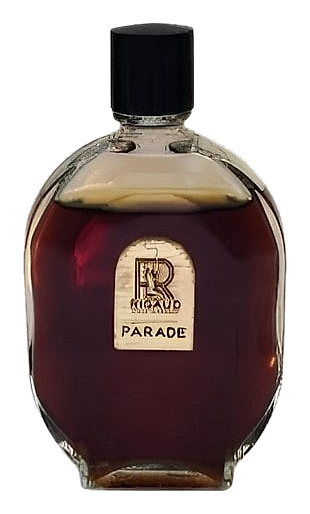
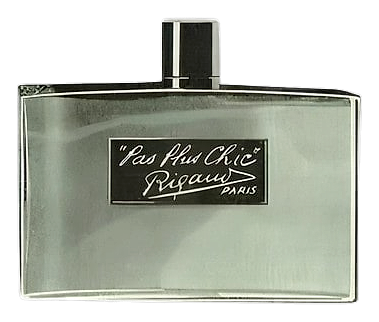
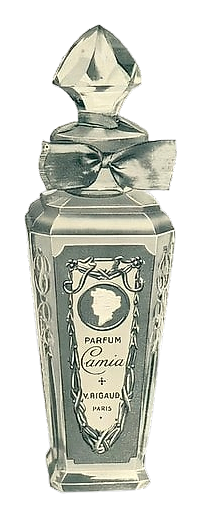
Fougere Royale arrived in 1902 from Rigaud, a perfume house with roots deep enough in the trade to have built serious reputation before the new century turned. By the time of its release the house had developed a recognizably composed sensibility, an attention to the construction behind a fragrance rather than just its top notes. Fougere Royale came from that lineage: a composition built on the aromatic-fougere accord that defined masculine perfumery of the period, structured around aromatic, herbaceous and woody nuances that gave the style its character. Sources describe it as an early example of the fougere template, a reference for later interpretations of the structure.
The aromatic fougere accord that Rigaud helped articulate works on a tension most modern fragrances avoid. Herbal top notes supply brightness and a clean, almost soapy lift, while deeper base elements anchor the composition in something heavier, drier, and slightly bitter. The result smells neither sweet nor sharp, neither floral nor fully green. It occupies a middle register that reads as polished without effort, the kind of structure that holds attention without performing for it.
The evolution
The opening hits with authority, a burst of herbal brightness that announces itself cleanly rather than loudly. The aromatic green character folds inward as the composition settles, shifting from sharp and lifting to rounder and more grounded. The transition is gradual rather than abrupt, the herbal edge softening into warmer territory without losing its identity. As the hours pass, the composition continues to settle, the base notes gaining presence while the herbal opening recedes rather than vanishes. The woody character of the drydown holds its shape, maintaining a dry, slightly bitter quality that reads as composed and considered. The scent projects with a moderate presence throughout its life on skin, noticeable without demanding the room. By the late stages of wear, the drydown has softened considerably, drier and quieter than the opening, but the structure remains intact.
Cultural impact
Fougere Royale sits at the start of an aromatic-fougere tradition that came to define masculine perfumery for decades. The accord it helped articulate, that conversation between herbal brightness and woody depth, became one of the foundational structures of the genre. Wearing it now offers a direct connection to that origin point, a chance to smell the template as it was first being written rather than as it later evolved. The fragrance rewards attention to construction, to the way the aromatic opening resolves into something drier and more grounded over the course of a wear.