The Story
Why it exists.
The beginning
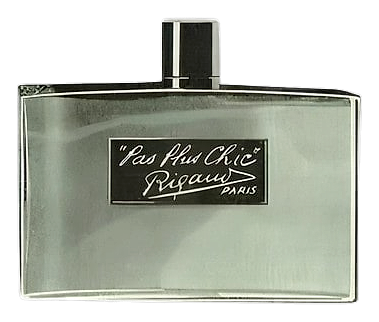
Pas Plus Chic arrived in 1927 with a name that translates roughly to "not chic" or "beyond chic," a provocation dressed as modesty. The pairing of negation and elegance was deliberate, the kind of self-aware paradox that announces a fragrance intends to do more than sit politely in a room. The composition itself reads as a deliberate study in contrast, blending florals with a structure that grounds them rather than letting them dissolve into air. There's an implicit refusal here to be categorized as either delicate or decorative. Pas Plus Chic positions itself as perfume with an argument to make, offering the bouquet as a fully realized presence rather than a background suggestion.
Pas Plus Chic fits within a moment when composed florals were finding their footing, grounded in familiar petals but treated with the kind of intention that gives the composition dimension rather than delicacy. The accord is floral at its core, but the construction reaches for something more lived-in than a fresh bouquet. There's an architectural quality to how the notes behave: each layer settles into the next without losing its own voice, and the whole reads as something shaped rather than scattered. The florals don't float so much as unfold, revealing different facets as the hours pass.
The evolution
What comes first is an opening that announces itself without apology, a bright lift that carries the first few minutes before the bouquet settles in. The opening round edges and pulls the composition toward something rounder and more textured, the florals arriving in stages rather than all at once. Through the middle hours the petals share space with the supporting structure, neither side dominating, until the final stage takes over for the lasting stretch. What lingers on skin after the bouquet has faded is a warm, quiet close, the kind of trail that follows you into an elevator after a long afternoon. The arc keeps it close enough to be a private pleasure rather than a room-filler, present without demanding attention.
Cultural impact
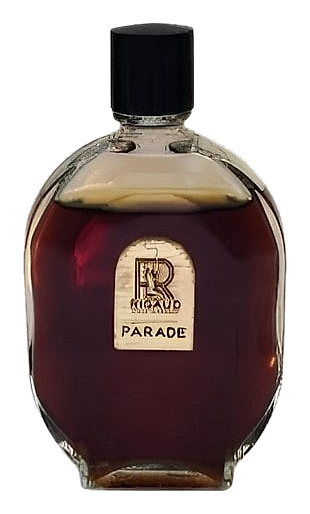
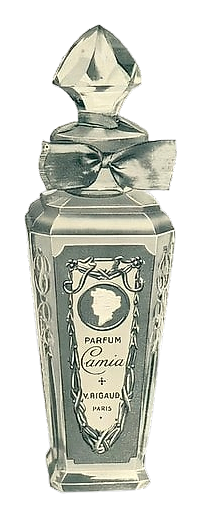
Pas Plus Chic sits within Rigaud's catalogue alongside Cupid's Darts, a period when the house was building florals with a clear sense of character. Its appeal now is to wearers who want composed floral perfumery with intention behind every note, a 1927 composition that still reads as confident nearly a century later. The fragrance holds its ground because its construction was never decorative to begin with, and that commitment to structure continues to register with anyone who spends time with it.