The Story
Why it exists.
The beginning
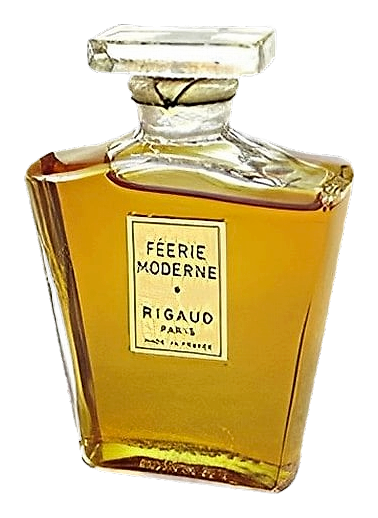
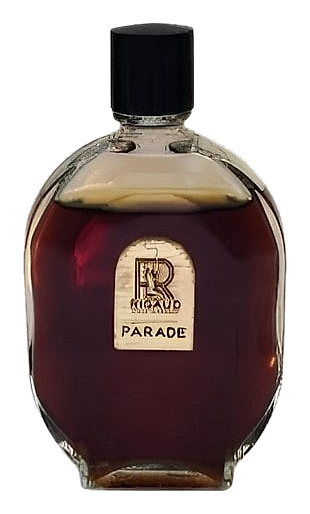
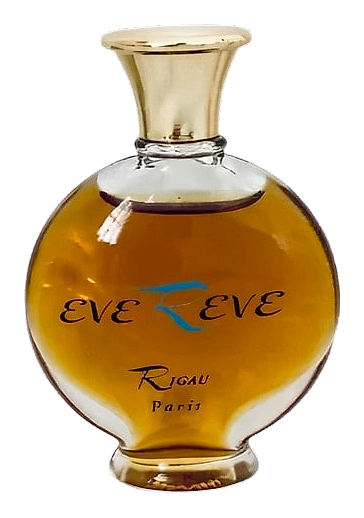
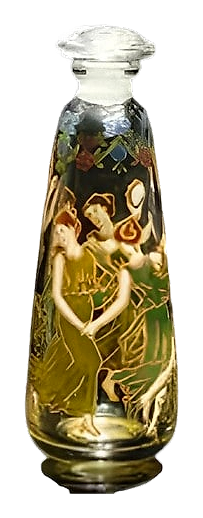
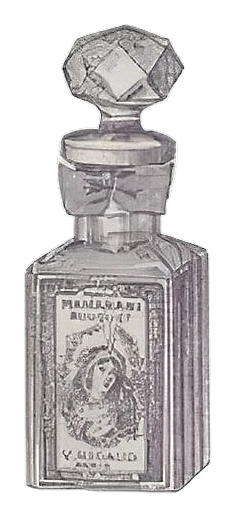
Maharani Bouquet arrived in 1900, part of a body of work that reveals how Rigaud approached naming as something worth thinking about. The house built its early reputation on simple soliflores, and by the time this composition appeared, the catalogue had grown into something considerably more varied, including names like Mary Garden, Cupid's Darts, and Des Roses, each one casting perfume as tribute and character study rather than mere product. That context places Maharani Bouquet within a body of work that rewarded curiosity over impulse. The bouquet framing itself was deliberate, positioning the composition within a recognizable category of assembled florals while leaving room for something more composed than a casual spring spray.
Bouquet-style compositions of the late 19th and early 20th century leaned on a tight cluster of florals layered over a base that gave the whole thing weight. Specific details about the composition of Maharani Bouquet are not well documented in commonly available sources, which means much of what can be said sits at the level of impression rather than confirmed note list. What does survive is a sense of the house's sensibility, the restraint visible across other Rigaud compositions of the period. The florals were treated with care, never smothered, never oversweetened.
The evolution
The opening carries a brightness that reads as floral before the nose fully registers what kind, a quick lift that feels cool against the skin rather than thick or syrupy. Within the first ten minutes, the composition transitions into something softer and slightly warmer, as though the initial brightness has exhaled into a quieter register. The change has a deliberate quality, the kind of shift that makes a vintage composition feel constructed rather than accidental. As hours pass, the scent settles close to the skin, losing its lift and becoming something more integrated with the wearer's own warmth. The drydown reads as intimate, far closer than a contemporary release, the kind of fragrance that exists for the wearer rather than for a room.
Cultural impact
Worth knowing: Maharani Bouquet carries a name that does cultural work the moment it is read, borrowing a royal honorific and placing the composition within a recognizable lineage of luxury scent. The historical positioning translates into something composed rather than seasonal. What survives in the record is the date, 1900, and the house attached to it. What doesn't survive in detail is the composition itself, which means today's wearer encounters Maharani Bouquet through impression as much as confirmed note list. There's something appealing about that: a scent whose exact character can only be arrived at by wearing it.