The Story
Why it exists.
The beginning
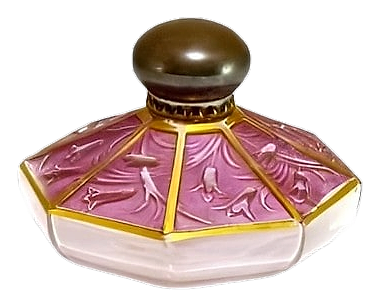
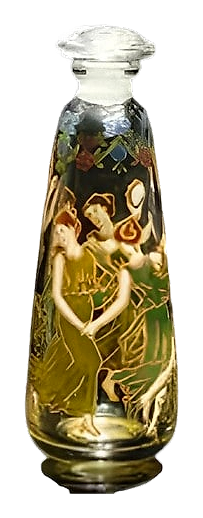
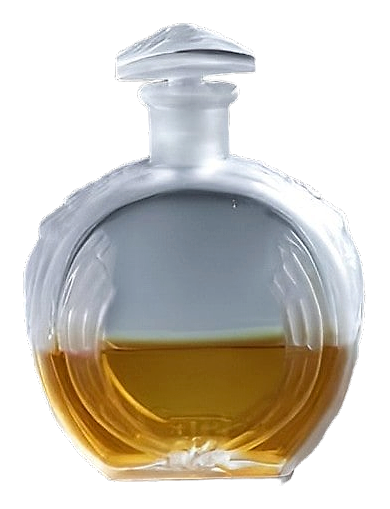
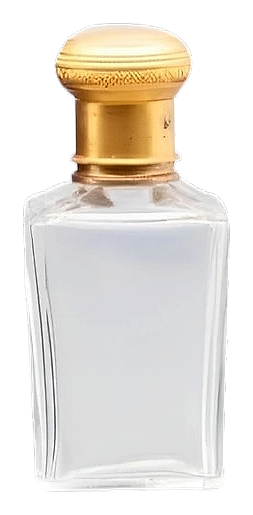
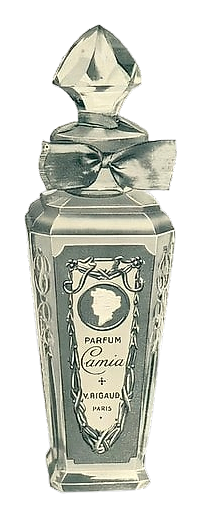
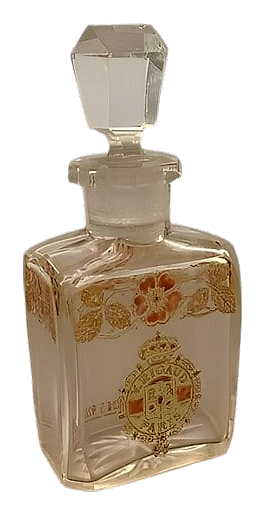
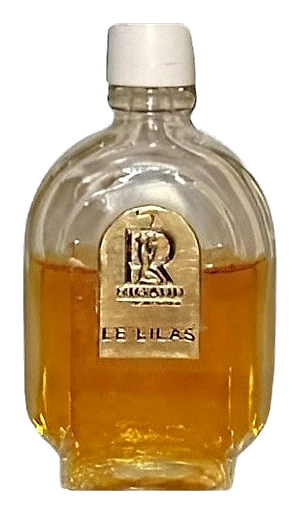
Le Lilas arrived from Rigaud in 1913, a fragrance whose very name is a translation: lilacs, the spring bloom that signals winter's measured retreat. Where many florals treat their namesake flower as a decorative flourish or a sweet confection, Le Lilas builds lilac into the architecture of the composition, letting the flower carry the entire structural load rather than serving as ornament around it. The result is a scent that stays remarkably close to its subject, unfolding the green-edged freshness of the lilac clusters while leaning into the powdery, slightly honeyed register that real lilacs carry in their full bloom.
What makes Le Lilas so distinct among lilac-themed fragrances is its commitment to the powdery register, treating the flower not as a bright bouquet accent but as something quieter and more sustained. The composition keeps lilac firmly in mid-tones rather than pushing it toward sharp green brightness or sugary sweetness, letting the natural facets of the bloom do the work. There is no smoke, no leather, no dramatic resin cutting through the architecture, nothing to compete with the soft, diffused hush that lilac develops as it settles.
The evolution
The opening belongs entirely to lilac, presented at its greenest and brightest, the way the flower smells in early morning when the clusters are still cool with dew and the clusters haven't yet warmed into their fuller sweetness. The bouquet reads cold and vivid, with all the faintly bitter green stem quality that fresh-cut lilacs carry before they've had time to soften in a vase. As minutes pass, the green freshness doesn't vanish so much as absorb into something creamier, the natural powder facet of the flower rising to the surface as the sharper top notes recede. The transition feels inherent to lilac itself rather than engineered, since real lilacs do this on their own when you bring them indoors and let them sit.
Cultural impact
Le Lilas sits within a small group of older florals whose production was apparently discontinued, and that status alone shifts its presence in the current market. Rather than appearing on department store counters, the fragrance circulates as a vintage find, passed between collectors who come across intact flacons and recognize what they're holding. The lilac register itself is uncommon in mainstream perfumery, since the flower is notoriously difficult to capture and rarely anchors a composition on its own, which makes Le Lilas a recognizable name among wearers who specifically seek out that powdery, floral softness.
The House
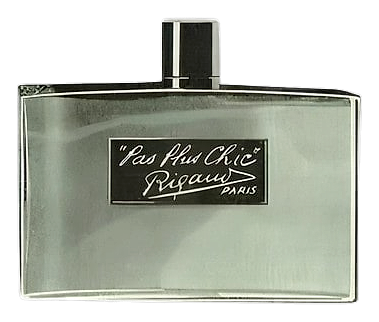
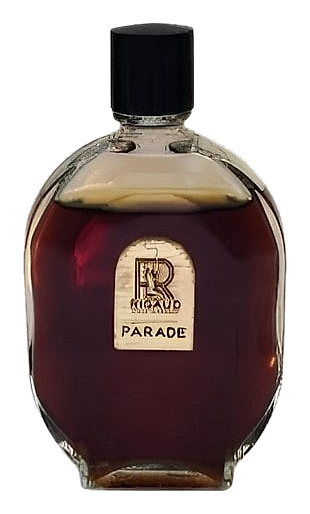
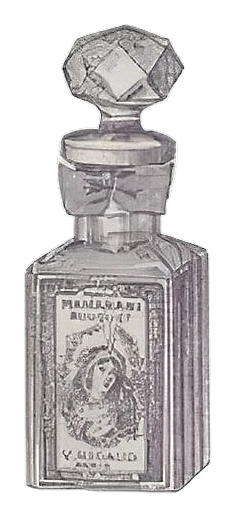
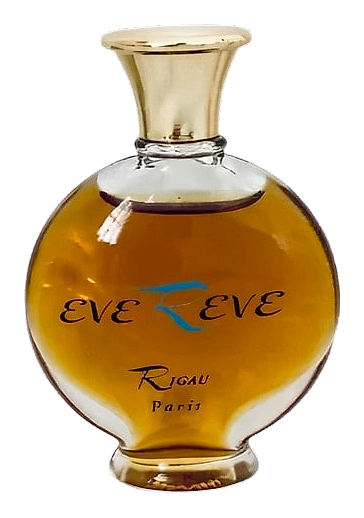
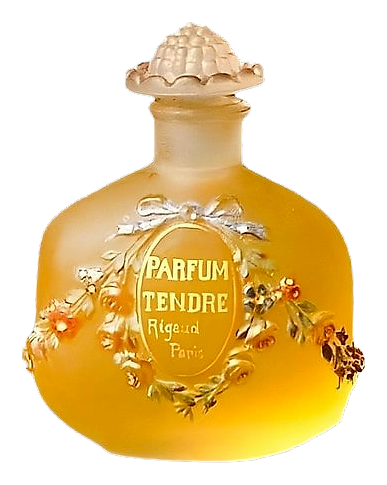
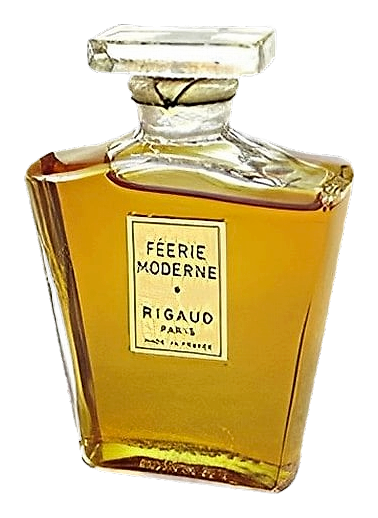
RigaudRigaud is a French perfumery house with roots stretching back to 1852, when founder Jean-Baptiste François Rigaud settled in Paris. Born in Riom in 1829, Rigaud built a reputation for fine fragrance during the Second Empire era and grew to ship his perfumes across Europe and into the American market by the late 1860s. The house is remembered for a catalogue of evocative scent names spanning over a century, from Des Roses (1908) and Mary Garden (1910) to Cupid's Darts (1914) and Parade (1932). In the mid-twentieth century, Rigaud turned its perfumery skill toward an unexpected medium: wax. The house became associated with the early development of the perfumed candle, producing scents that found their way into some of the most prominent interiors of the twentieth century.
The Creator
Blanche ArvoyArvoy worked in a bold, theatrical register shaped by her background in design and the performing arts. She favored strong florals, rich animalic notes, and deep oriental bases that projected across a crowded salon.