The Story
Why it exists.
The beginning
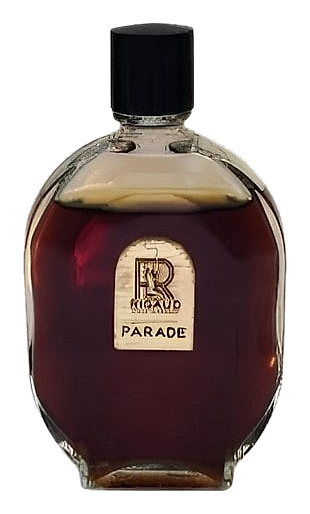
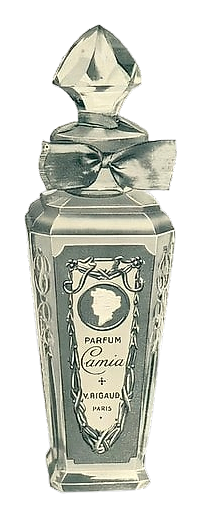
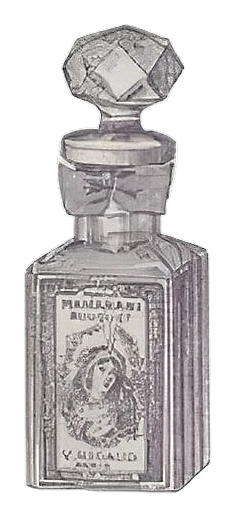
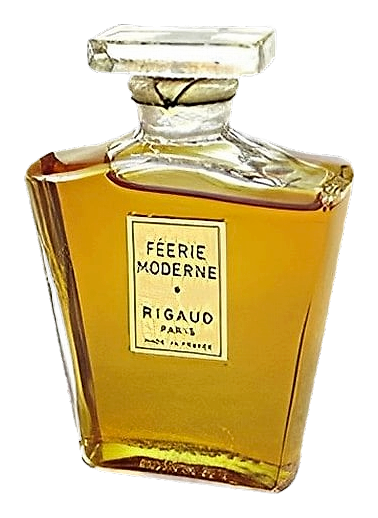
Féerie Moderne arrived from Rigaud in 1938. The name itself reads as a small manifesto, modern fairy work, composed as a bright citrus composition with floral accompaniment, a scent that treated fragrance as a scene rather than a product. The Rigaud catalogue had always favored names like Cupid's Darts and Parade, titles that carried poetry and character rather than commodity. Féerie Moderne fits that lineage, a composition that values clarity over decoration. Its 1938 launch date places it in a specific moment, late enough in Rigaud's run to read as a quiet summation of everything the house had been building toward. A composition of bright citrus opening and softer floral heart, it offers the kind of restraint that later decades would treat as old-fashioned.
What makes Féerie Moderne interesting is its restraint. The opening moves with bright, fresh citrus tones that lift off the skin cleanly, almost luminous in their clarity. Rather than relying on that brightness alone, the composition shifts as it develops, the citrus receding to reveal a softer floral character that carries its own quiet presence. The transition feels deliberate, almost architectural, as though Rigaud built the structure to reward attention rather than announce itself at a distance. The florals don't compete with the opening.
The evolution
The first thirty minutes belong to the bright citrus opening. It's clear, lifted, almost clean enough to feel like a sensory reset. The clarity is what strikes you first, the kind of citrus presence that feels intentional rather than accidental. As the composition develops, the citrus gradually pulls away and the softer floral character moves into focus. There's no dramatic shift, no sharp turn. The transition is more like a slow handoff, the bright notes stepping back while the florals step forward. By the second hour, the composition has settled into its true register: the florals now carry the weight, supported by whatever lingering brightness remains from the opening. The effect is gentle and continuous. It doesn't announce itself, and it doesn't transform into something unrecognizable.
Cultural impact
Féerie Moderne reflects a Rigaud approach to composition that valued clarity and narrative over volume. The fragrance's citrus-and-floral structure aligns it with a tradition of composed, literary-style perfumery rather than the louder constructions that came later. Production was apparently discontinued, which makes any surviving example a piece of Rigaud's later catalogue rather than an active commercial release. For wearers drawn to fragrances that reward attention and intimacy over projection, Féerie Moderne offers a window into a quieter mode of composition.