
The Story
Why it exists.
The beginning
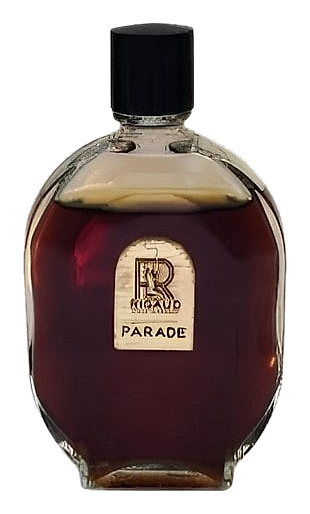
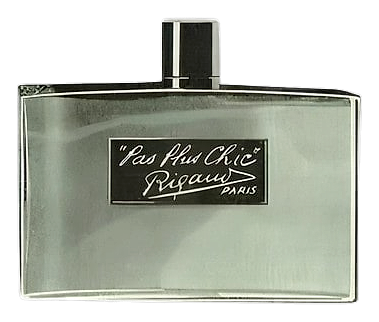
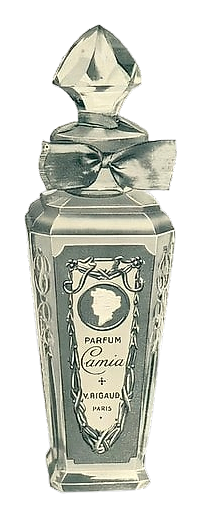
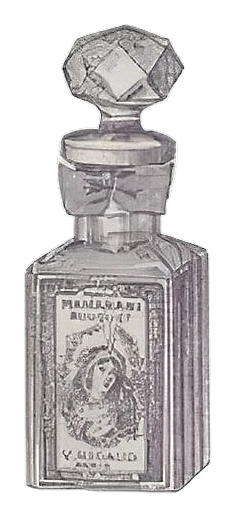
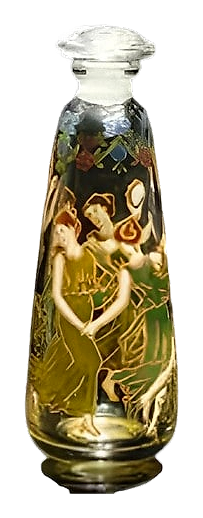
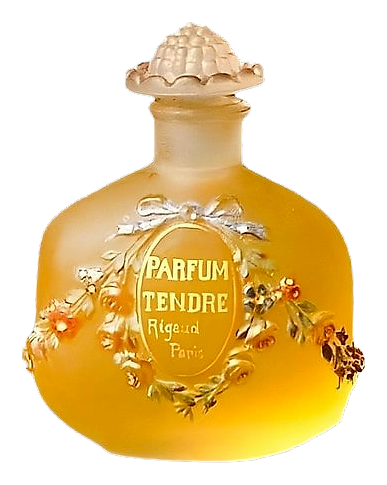
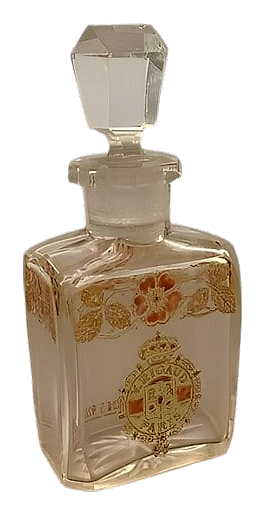
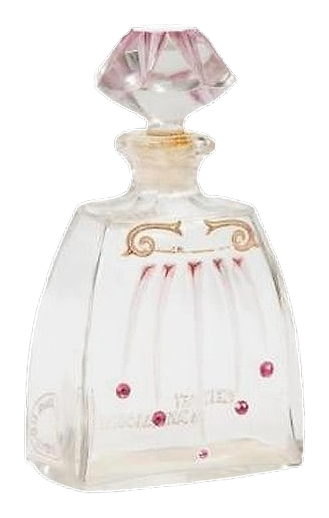
Oeillet d'Andalousie arrived during the 1910s, alongside other named compositions in Rigaud's catalogue. Mary Garden, Emma Trentini, Cupid's Darts, Parade. Each name suggested a tribute, a scene, a mood worth bottling. Andalusia, with its overlap of Moorish and Mediterranean traditions and its long history of intense floral use, was a natural muse. Carnation held a particular weight in Andalusian perfumery, where the flower is more than a stem in a vase; it is spice, medicine, ornament, packed into one ragged crimson bloom. The fragrance takes its name from that lineage, where the spiced soliflore tradition runs deep in southern Spanish perfumery.
What makes this composition distinctive is the discipline of staying with carnation, rather than burying it. The accord here keeps the spice quotient high but balances it against dry woody warmth that prevents the clove facets from going medicinal. The result is a carnation that smells like itself, which is to say, hot, spiced, slightly vegetal, and a little defiant, without tipping into potpourri or candy. That balance is the whole art. Too much clove and the composition reads as kitchen. Too much sweetness and the carnation loses its nerve.
The evolution
The opening arrives already warm. There's no cooling citrus to cut through, no bergamot runway. The carnation steps out with its clove facet forward, peppery and a little rough, the way the flower actually smells before anyone has refined it. The spiced character takes hold early, and the floral becomes less about petals and more about the green stem, the slightly bitter leaf, the raw sap. It is not a polite opening. It is the opening of someone who means to be noticed. As the composition develops, the spiced-floral balance shifts. The carnation softens, not into sweetness but into warmth, and the woodier base takes over. The drydown reads woody sweet, with a low amber warmth and a faint powdery, almost resinous edge that keeps the composition from going flat.
Cultural impact
Oeillet d'Andalousie belongs to a lineage of carnation fragrances from the early twentieth century, compositions that treated the flower with its full spiced intensity intact. For wearers drawn to soliflore work with actual presence, it reads as a useful reference point, an example of what carnation could smell like when the spice quotient stayed high and the floral was permitted to occupy the full frame. The discontinued status adds to that weight, situating the fragrance in a category that can only be accessed through existing stock rather than current production.