




Heritage
A house, in its own words
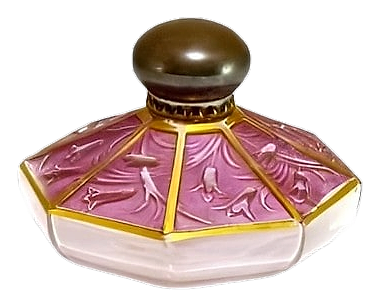
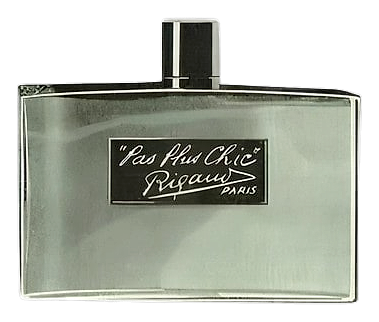
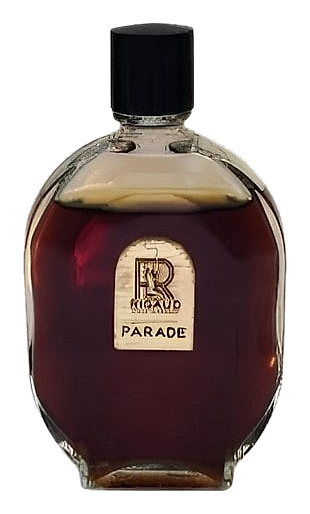
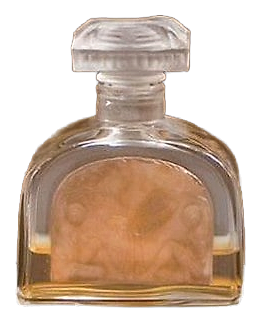
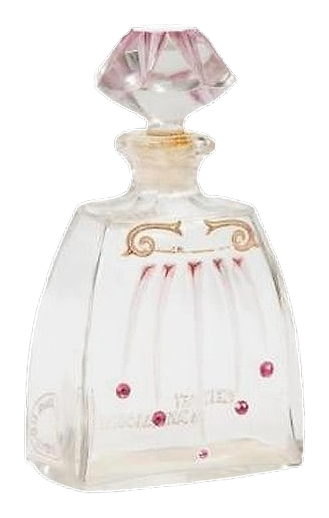
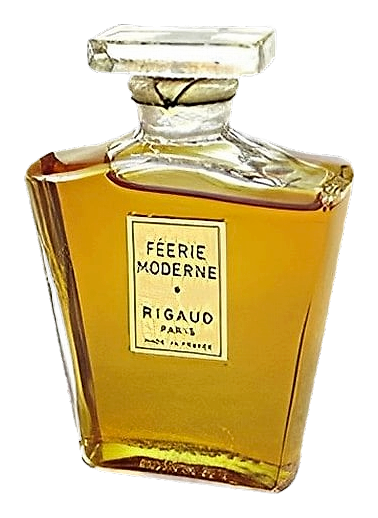
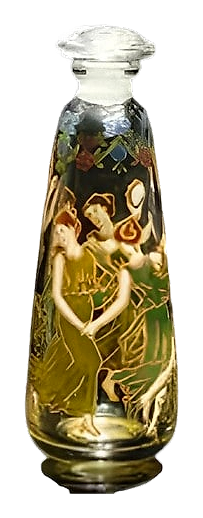
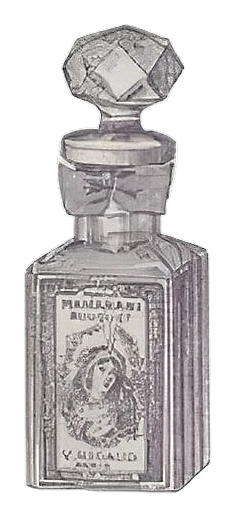
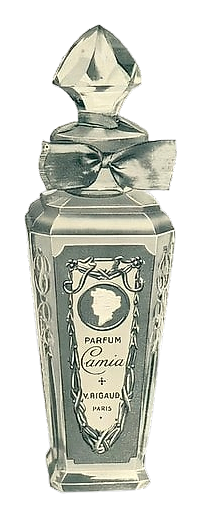
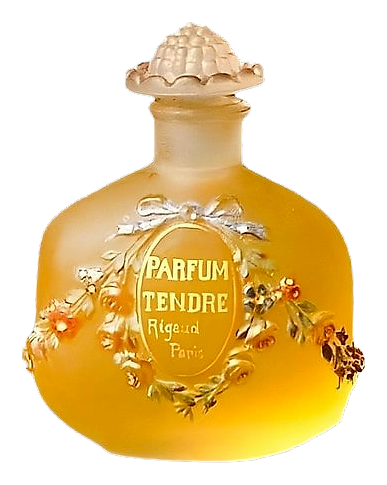
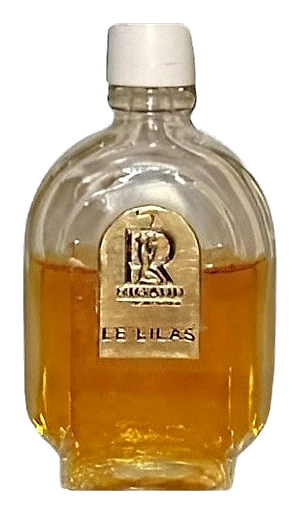
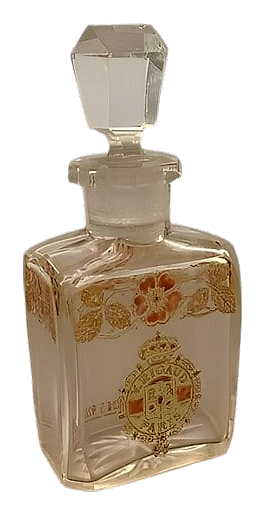
Jean-Baptiste François Rigaud was born in Riom in 1829 and established himself in Paris in 1852, founding what would become one of France's older continuously operating fragrance houses. During the 1860s, Rigaud built a client base that extended well beyond France, and by 1868 the house had begun marketing its perfumes in America. This international reach shaped how the brand was presented to Anglophone buyers. The earliest documented Rigaud fragrance dates to 1869, and over the following decades the house produced a string of compositions with distinctly romantic, sometimes literary names: Des Roses in 1908, Mary Garden in 1910 (a tribute to the celebrated Scottish-born American soprano), Emma Trentini in 1911, Cupid's Darts in 1914, and Parade in 1932. The interwar and wartime periods are represented in the catalogue by Sonia and Temeraire, among others. By the early twentieth century Rigaud perfumes were being sold internationally. In the mid-twentieth century, the house began experimenting with scented candles, an extension of the perfumer's craft into a new format. The house's Cyprès candle reportedly burned in the White House during the Kennedy years. Sources differ on the exact year of the first Rigaud scented candle: some accounts place the development around 1950, while others cite 1960. The candle line became central to the brand's later identity, without eclipsing its perfume origins. Rigaud's creative vision centers on a simple proposition that took most of the twentieth century for the broader market to accept: that the same care given to fine fragrance should apply to a candle. Perfume-making for Rigaud has never been reduced to liquid alone. The house approaches scent as an applied art form, where the composition must perform well in multiple environments, on skin and in air. Fragrance names from the early twentieth century, such as Mary Garden, Emma Trentini, Cupid's Darts, and Parade, suggest a house that thought of perfume as a tribute, a character study, or a scene rather than a product code. This literary sensibility continued into the mid-century, when Rigaud turned its perfumery instincts toward wax. The philosophy there remained the same: build the scent first, then carry it into a vessel. Rather than market generic home fragrances, Rigaud built its candle line around established perfume compositions, treating the scented candle as a legitimate medium for olfactory art rather than a simplified spin-off.