The Story
Why it exists.
The beginning
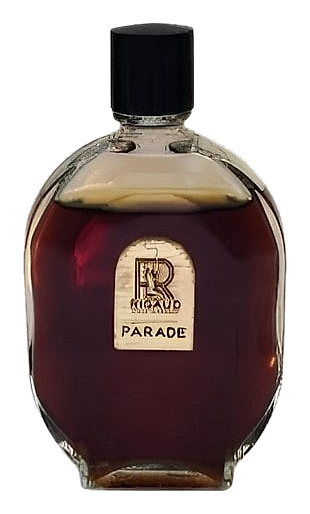
Vers la Joie arrived in 1927, a composition built around Bulgarian rose with the supporting cast of tuberose and ylang-ylang. The Rigaud catalogue already carried titles like Mary Garden, Cupid's Darts, and Parade, names drawn from theatre and literature rather than botany. Vers la Joie fit somewhere in that company, though its own title points in a quieter direction. The name translates plainly: toward joy. No allegorical reference, no literary tribute, no operatic heroine to anchor it. Just a direction. The materials carry the argument without needing a programme behind them, and the rose-tuberose-ylang triangle does what such triangles did in that decade, presents a feminine floral without apology. What the bottle offers is a straightforward statement of intent.
Bulgarian rose anchors the composition, the prestige material for any house building a serious floral in that era. Tuberose enters for its narcotic warmth, the note that takes a rose soliflore and turns it into something more physical, more inhabited. Ylang-ylang lifts the whole structure with a green-fruity edge that prevents the sweetness from collapsing under its own weight. This is a layered floral in the interwar mode. Rich, dense, built to last on both skin and fabric.
The evolution
On skin, Bulgarian rose opens at full bloom, dense and jammy, with enough green bite from the ylang-ylang to keep the sweetness honest. Tuberose settles in soon after, adding a creamy, slightly suntan-oil warmth that shifts the composition from pretty into something more pressing and physical. As the hours go on, the whole thing moves into closer territory, intimate and skin-bound. The rose softens, loses some of its jammy edge, and the tuberose takes on a powdered, quieter quality. The ylang-ylang recedes almost entirely, leaving the two heavier florals to carry the composition into its later stages. What remains after a full wearing is a warm floral presence, faint and dignified, the sort of drydown that survives on a scarf or a collar and greets you the next morning.
Cultural impact
Vers la Joie belongs to the 1920s tradition of composed florals, fragrances built around a central flower with supporting notes arranged to amplify rather than compete. The rose-tuberose-ylang-ylang structure was a recognizable template of its decade, a way of building depth without resorting to the heavier oriental palettes that would dominate later. The composition reads as confident in its own register. There's no hedging, no attempt to be everything to everyone. It's a floral that knows what it wants to be and stays there.