The Story
Why it exists.
The beginning
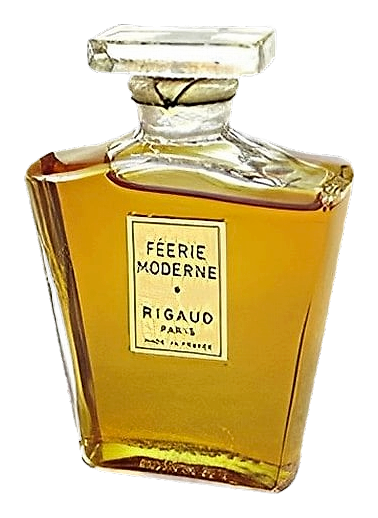
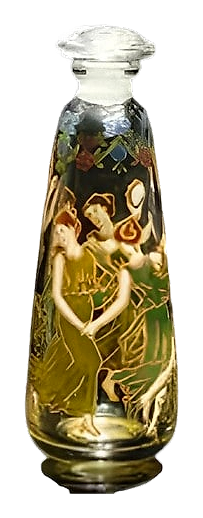
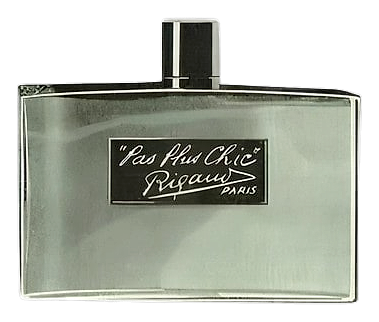
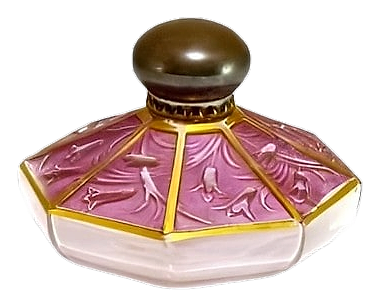
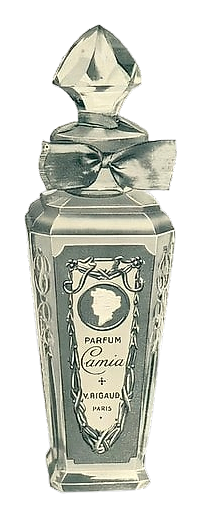
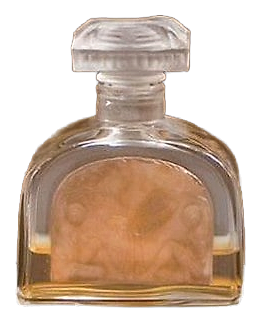
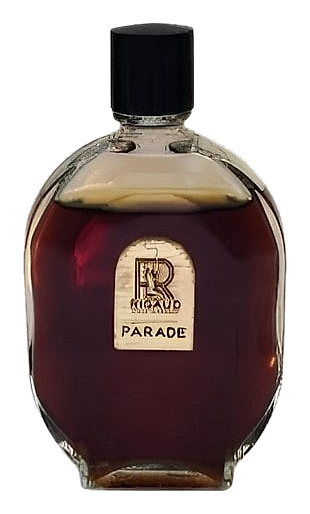
Parade arrived in 1932 from the Rigaud house, a Parisian perfumery whose history stretches back to the middle of the nineteenth century. The name carries the swagger of processional display, flowers arranged for spectacle rather than quiet admiration. The house had built a reputation for compositions with literary names, including Cupid's Darts and Mary Garden, among others listed in the catalogue. Parade belongs to that tradition of perfume as character study or scene. The composition is floral and declarative, confident in its register. The name itself does a lot of the work: parade as procession, parade as performance, parade as the act of making yourself seen. There's an unapologetic quality to the choice, a refusal to soften the floral gesture into something more private.
The composition takes the floral language seriously, without ornamentation or competing accords to dilute it. That restraint is the point. The clarity of intention, florals speaking for themselves, is what separates a composition from an arrangement. The bouquet reads as a study in how a single floral family can carry a whole structure without leaning on heavy bases. The petals feel present, almost tactile, the way fresh-cut flowers feel cool to the touch when you first bring them inside.
The evolution
Parade opens with the brightness of petals still cool from the morning. The opening carries a lifted quality, the kind of floral that announces itself before you've leaned in. There's a green stem note underneath, almost architectural, that keeps the bouquet from spilling into sweetness. The freshness feels clean and deliberate, the top of a jar of rosewater, a handful of lily of the valley crushed between fingers. Soon the heart takes hold, warmer now, the florals settling into something closer to skin. The composition stops performing. It starts living on you. The shift from bright to warm is gradual, almost conversational, one floral voice answering another until the blend becomes a single presence rather than a chord. Through the middle hours the fragrance maintains a steady, moderate presence, close rather than projected, the florals now smelling like a memory of themselves.
Cultural impact
Parade arrived in 1932, a solifloral composition that took its place in the Rigaud catalogue as a statement of pure floral intent. The house tradition included names like Mary Garden and Cupid's Darts, each fragrance staged as a small narrative rather than a mere scent. Parade carried that sensibility forward with an even greater commitment to the single floral idea, treating the bouquet as the whole composition rather than a top note. The result was a fragrance that refused the instinct to complicate, to layer, to build fortress walls of base notes around a delicate heart.