The Story
Why it exists.
The beginning
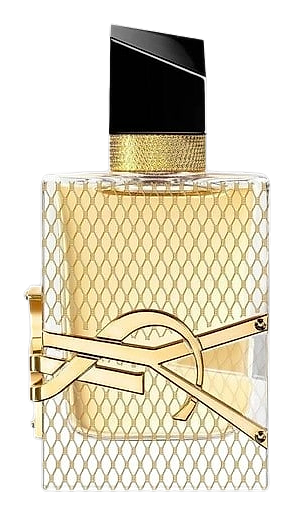
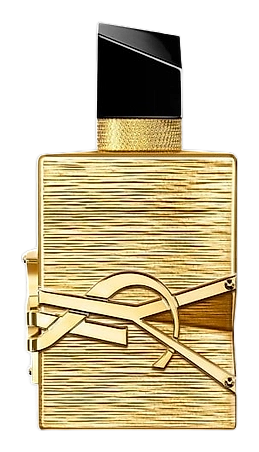
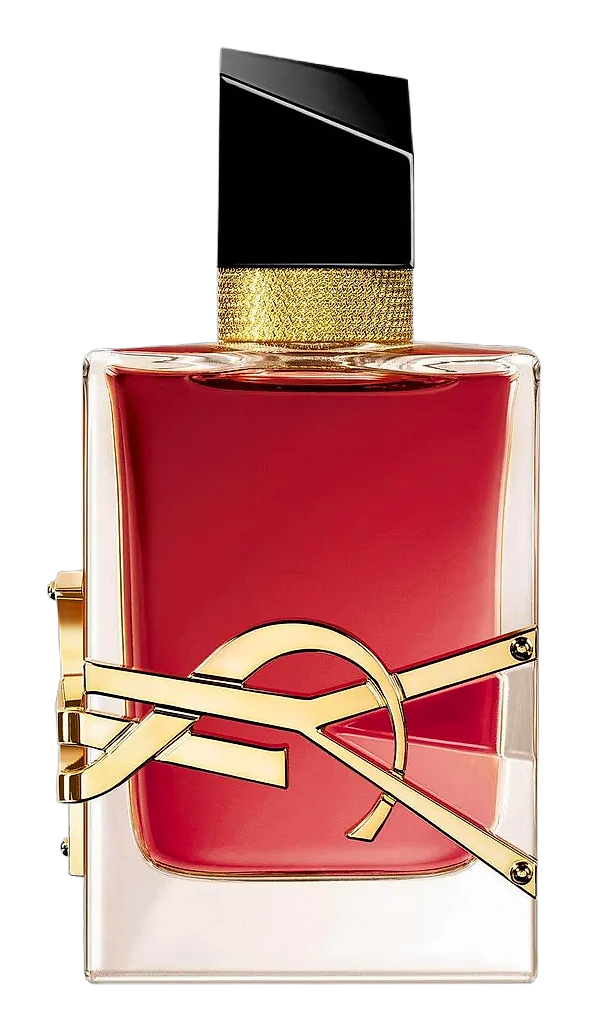
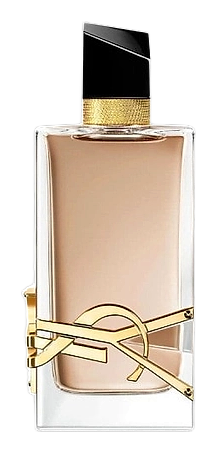
YSL launched in Paris in 1961, building a house on the idea that fragrance should be a statement, never an accessory. The philosophy has always been about audacity, seduction, and the courage to combine things that should not work tog ether. Libre Flowers & Flames is the latest expression of that principle, taking the architectural clarity of the original Libre and pushing it toward something warmer, longer, and more Intimate. Perfumer Anne Flipo was tasked with translating summer into something wearable past sunset, and she did it by leaning into the tension between freshness and heat rather than resolving it.
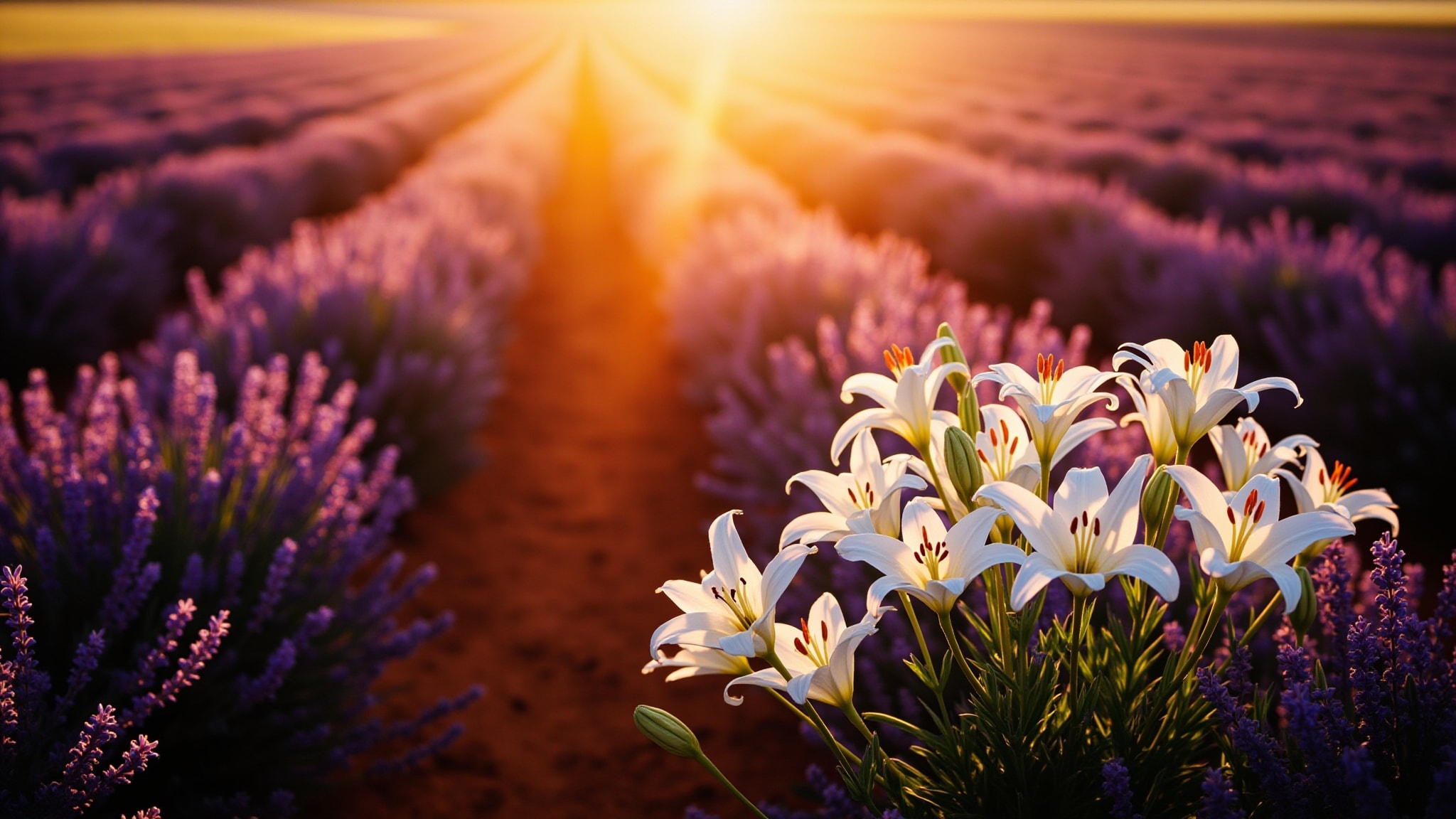
The note pyramid for Flowers & Flames is designed around contrast resolution. Lavender appears twice, once as an opening note and again in the heart, creating continuity between the fresh and warm phases. Bergamot sharpens the lavender's herbal character at the start, while coconut and vanilla soften it toward the end. Orange blossom and lily provide the floral narrative, supported by palm tree's subtle green undertone, giving the heart a garden-like complexity rather than a single dominant floral. The pairing rationale is straightforward: lavender and vanilla are natural partners, and bergamot bridges the gap between them.
The evolution
The opening hits with lavender and bergamot, an aromatic citrussy introduction that feels immediate and confident. Within the first thirty minutes, orange blossom enters the heart alongside the continuing lavender, introducing sweetness and waxy floral depth. Coconut appears here, adding a creamy warmth that shifts the composition from architectural to indulgent, while lily and palm tree provide subtle green and humid counterpoints. By the time the drydown arrives, vanilla anchors everything, wrapping the floral heart in a warm, lingering finish that evolves slowly over hours.
Cultural impact
The warmer, creamier drydown, particularly the coconut and vanilla, has shifted the composition from architectural to Intimate. Wearers describe it as the Libre they'd recommend to someone who found the original too sharp or too soapy. It's less a reinvention than a refinement, and for a significant portion of the Libre audience, that's exactly the point.