Palm Tree
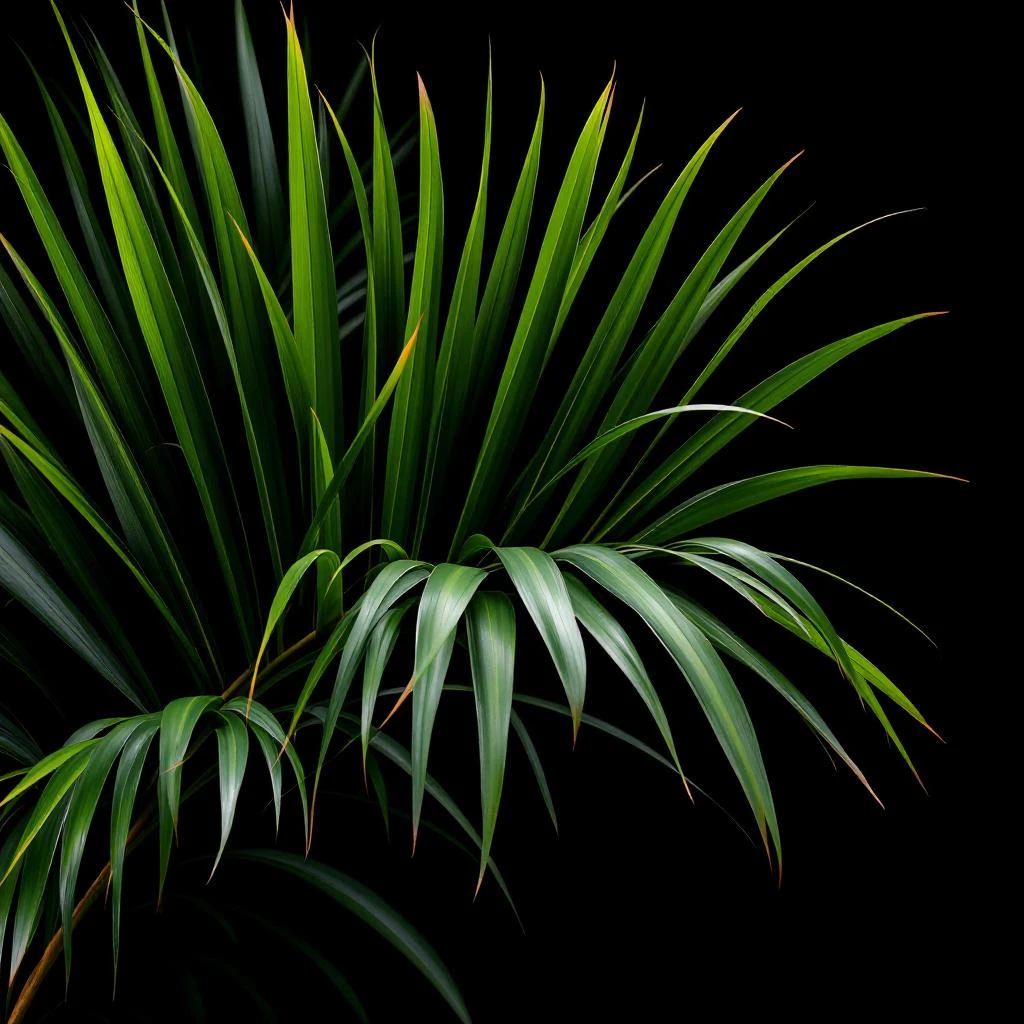
A sun-warmed whisper of tropical foliage and milky sap. Palm tree in perfumery evokes creamy coconut, green fronds, and the resinous depth of ancient groves bottled into modern compositions.
Character
How it smells
Tropical breeze, bottled.
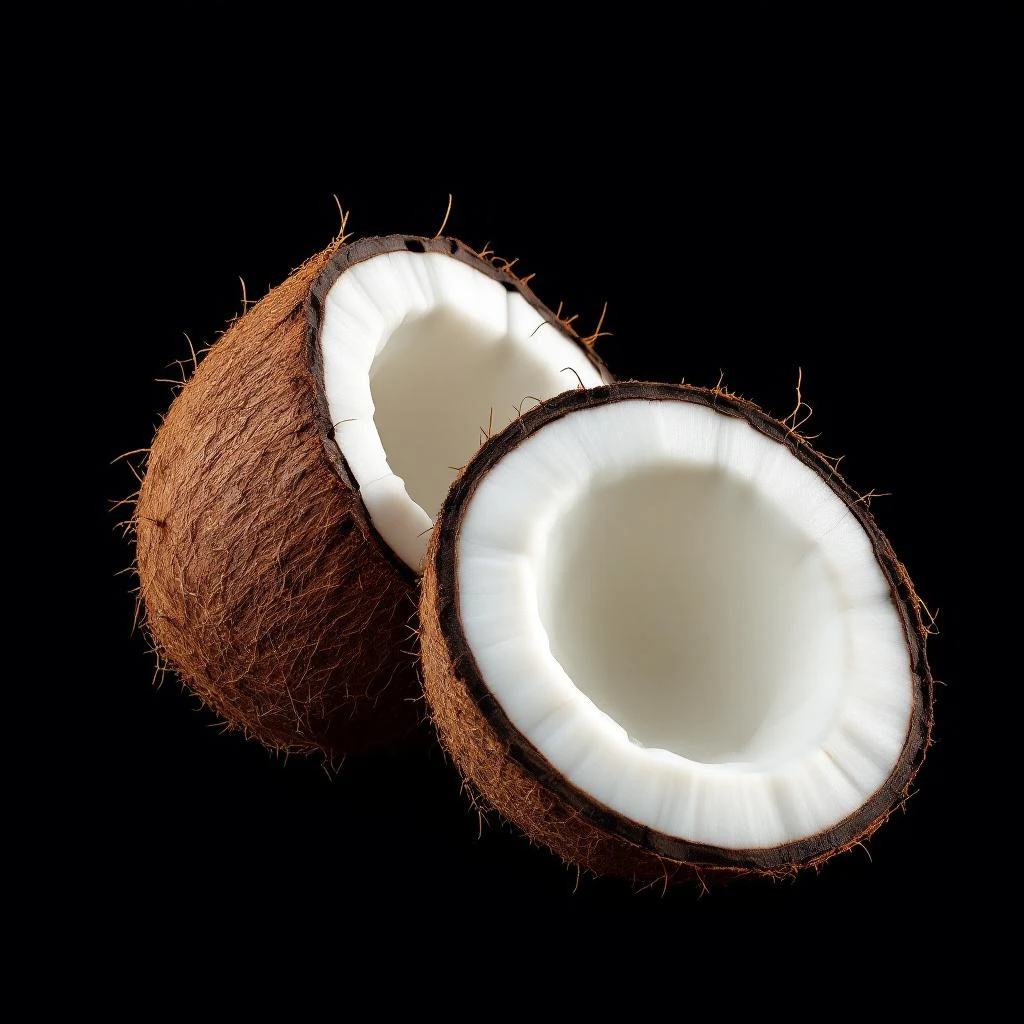
Palm-derived aroma chemicals like gamma-nonalactone recreate the scent of fresh coconut milk without harvesting a single nut, making the note fully lab-accessible year-round.







Origin
Philippines
Palms have shaped human civilization for at least five thousand years, with Mesopotamian clay tablets from around 3000 BCE already documenting date palm cultivation along the Tigris and Euphrates. Ancient Egyptians imported palm oil for ritual anointing and skin care, while Phoenician traders carried dried palm fibers and resins across the Mediterranean as early as 1200 BCE.
In the Arabian Peninsula, date palm sap fermented into a sweet wine that later inspired perfumers seeking boozy, fruity accords. European perfumers of the 19th century encountered palm-derived materials through colonial trade routes, particularly coconut oil distillates imported from Ceylon and the Malay Archipelago.
The modern palm fragrance note crystallized in the 1970s when synthetic lactones, first isolated from coconut meat, allowed perfumers to construct solar, beachy compositions without depending on seasonal harvests. Today, palm notes anchor some of the most recognizable tropical fragrances in commercial perfumery.
Wears it best
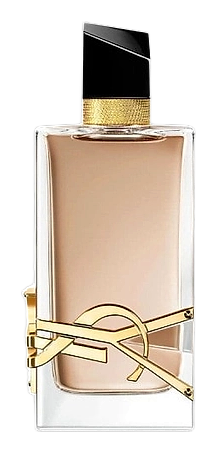
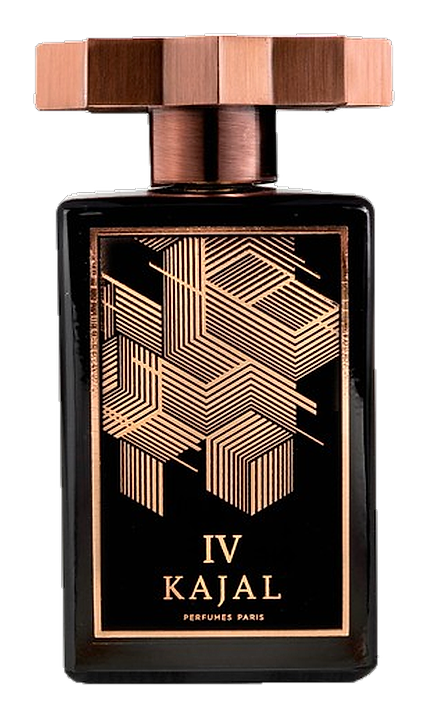
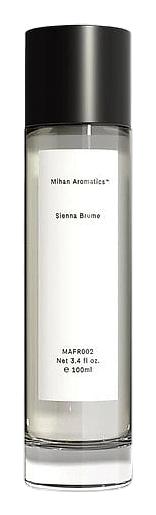
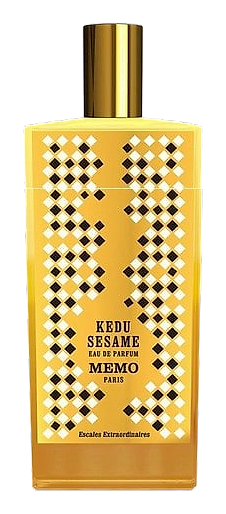
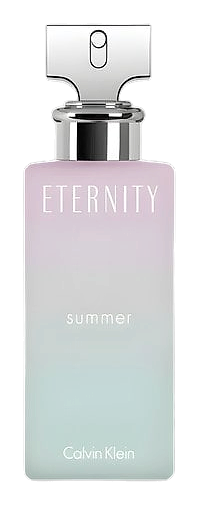
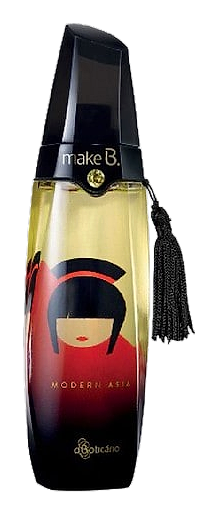
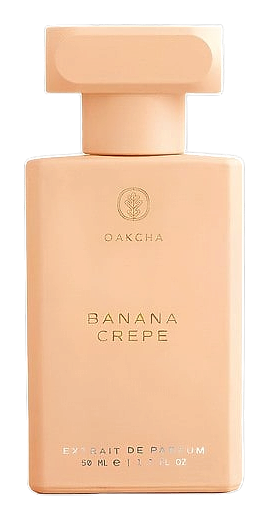
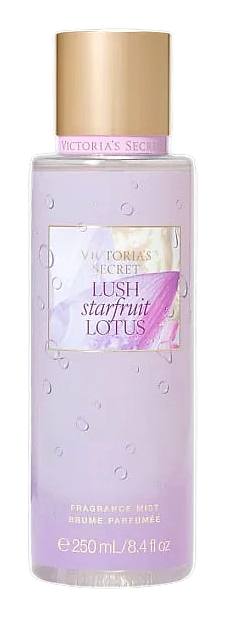
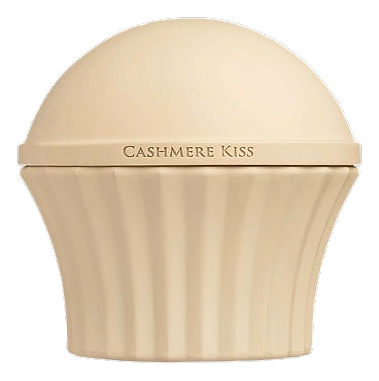
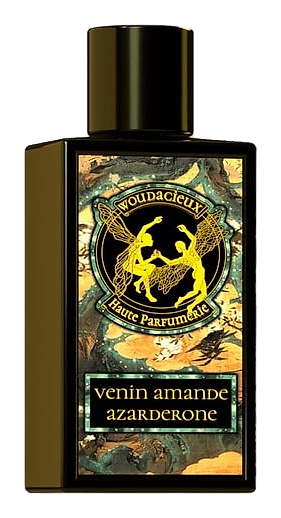
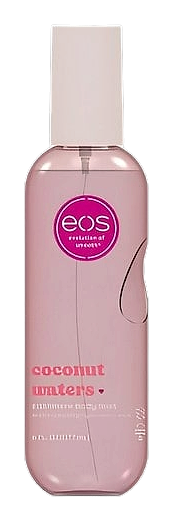
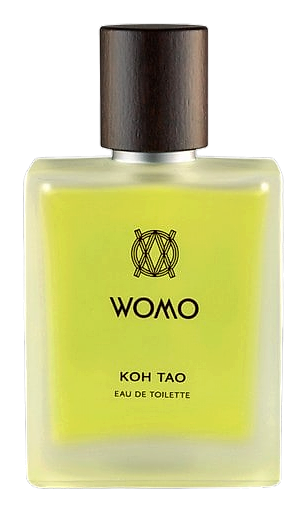
Fragrances featuring Palm Tree
Brands
Brands known for Palm Tree
Good to know
Questions, answered
The essentials on Palm Tree in perfumery: how it smells, where it comes from, and how it behaves on skin.
What does palm tree smell like in perfume?
Palm tree notes smell creamy and slightly fatty from lactones like gamma-nonalactone, with green aldehydic accents from the fronds. The effect recalls sun-warmed coconut milk, cut vegetation, and a faint resinous undertone rather than a single sweet scent.
Is palm tree a natural or synthetic fragrance note?
Most palm notes in modern perfumery are reconstructed synthetically using coconut-derived lactones and aldehydes. Natural palm absolutes exist but remain rare and expensive due to difficult sourcing and low yield per tree.
Which part of the palm is used in perfumery?
Perfumers draw scent from palm fronds, flowers, and fruit husks depending on the desired effect. Fronds contribute green, grassy tones, while coconut meat and husk deliver the characteristic creamy lactone sweetness.
Where does palm tree fragrance material originate?
The Philippines and Indonesia dominate commercial palm ingredient production, with additional sourcing from Sri Lanka, Malaysia, and parts of West Africa. Date palm materials historically came from Iraq and the Arabian Peninsula.
Is palm tree note sustainable for perfume?
Sustainability varies widely. Lab-made lactones eliminate agricultural pressure entirely, while natural sourcing depends on certified harvesting of fallen fronds rather than clearing old-growth groves.
What fragrance families feature palm tree notes?
Palm tree appears most often in tropical, solar, and gourmand families. It also supports green and aquatic compositions where creamy lactones soften sharp marine or ozonic accords.
When was palm tree first used in perfumery?
Palm oils and resins appeared in ritual anointing blends in ancient Mesopotamia around 3000 BCE. The recognizable modern palm note emerged in the 1970s once synthetic coconut lactones became commercially available.
How long does palm tree fragrance last on skin?
Palm tree notes typically persist four to six hours, anchored by heavy lactones that act as mild fixatives. Layering with woods or musks can extend the creamy trail into the evening.