The Story
Why it exists.
The beginning
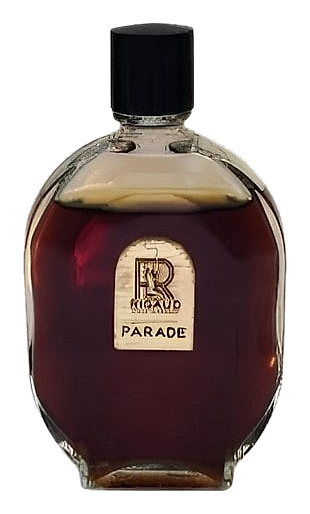
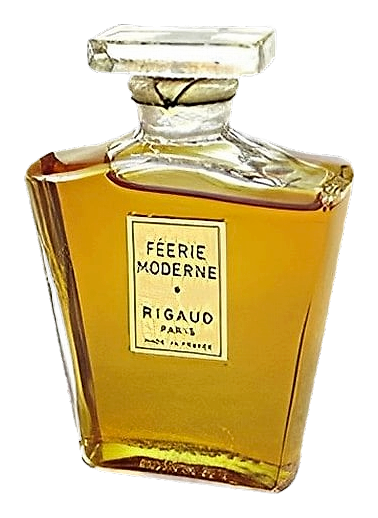
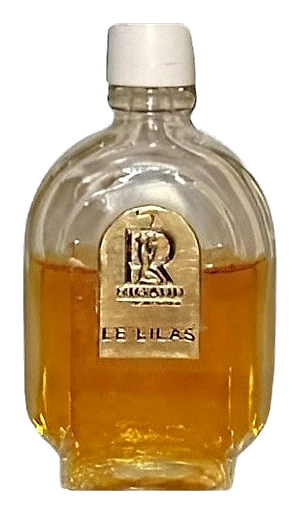
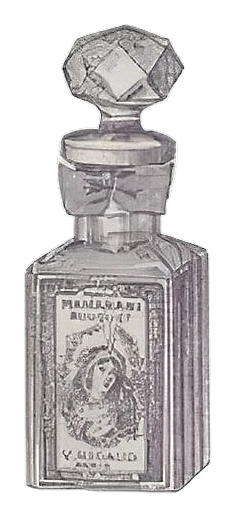
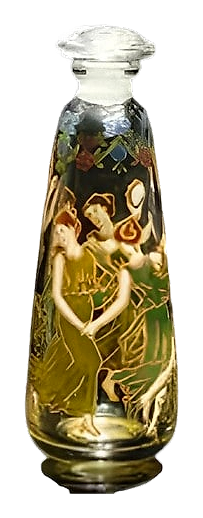
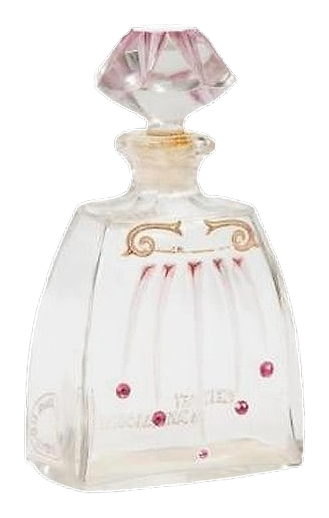
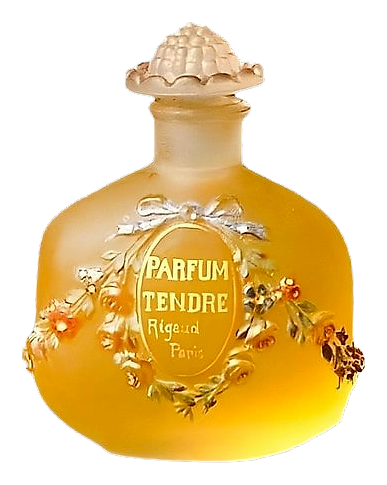
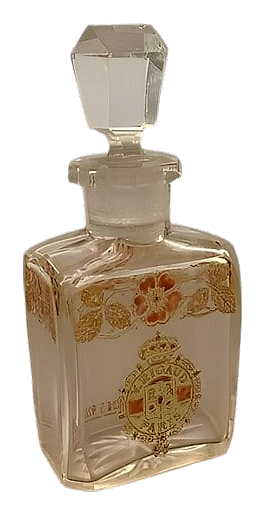
L'Heure Charmante debuted in 1914 from the house of Rigaud, an old perfumery whose catalogue stretches back through decades of composition. The name translates to "The Charming Hour" or "The Enchanting Hour," and the perfume itself carries that suggestion in its structure and pacing. Its place in the Rigaud catalogue sits among romantically titled works like Des Roses, Mary Garden, Cupid's Darts, and Parade, a body of fragrances whose names alone invite the wearer into a particular register of mood and expectation. Launched the same year as the start of the First World War, L'Heure Charmante carries a quiet refinement that feels characteristic of the moment it entered the world. It does not rush, and it does not perform.
What little survives in the record points to a distinctly early-1910s construction, an architecture built on spice and wood and warmth as its principal materials. The opening announces itself with a confident spice, immediate and assured, the kind that sets the temperature of the air around the wearer. Beneath that initial declaration sits a heart where warm spice and sweet woodiness intertwine, each pulling the other into a softer, more settled register.
The evolution
The opening arrives with a clear spicy declaration, confident and immediate, the kind that sets the temperature of the room rather than tiptoeing into it. The spice carries its own warmth from the very first moments, present without being aggressive, offering heat that comes across as authority rather than volume. As the composition moves through its early phase, that spice doesn't soften so much as settle, warming into a heart where woody sweetness begins to thread through the warmth. The transition is gradual, almost imperceptible moment to moment, but unmistakable over the arc of the wear. The blend loses its edge without losing its character, gaining depth as the sharper spice gives way to something more rounded and more personal. By the time the composition has fully shifted, the move is from announcement to intimacy, from a fragrance that projects to one that holds close.
Cultural impact
L'Heure Charmante sits in a quiet corner of Rigaud's early twentieth-century catalogue, a body of work that includes compositions named Mary Garden, Cupid's Darts, and Parade. Its appeal today has less to do with cultural footprint than with a particular quality of patience, the kind of quiet that defines the composition itself from the first spray through the last trace of drydown. There is a restraint here that feels characteristic of its moment, a willingness to let the fragrance speak softly and at length rather than loudly and briefly. It wears like a gesture made slowly, considered for its quiet audience rather than its passing one.