Warm Spice
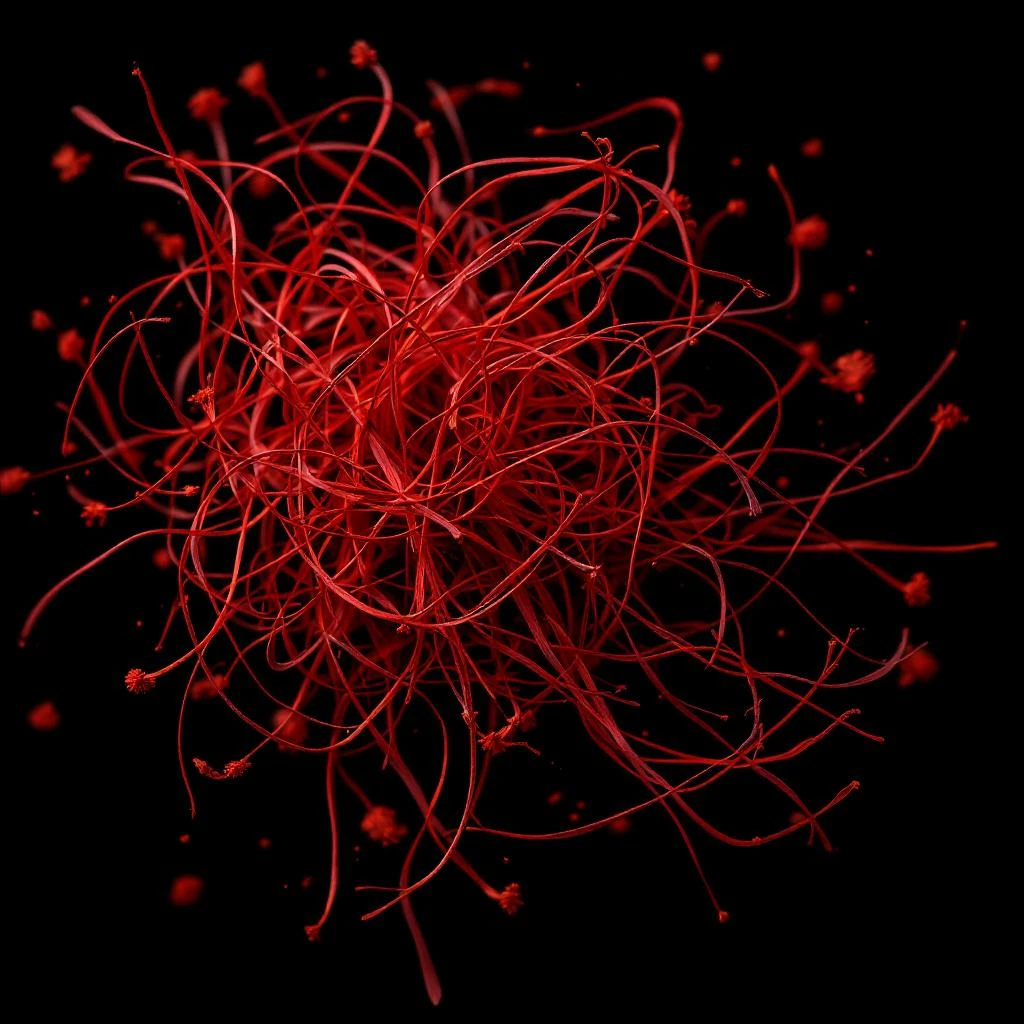
Warm spices are the aromatic heart of countless fine fragrances. From the fiery embrace of cinnamon bark to the deep richness of clove buds, these notes add depth, complexity, and an irresistible glow that lingers on the skin.
Character
How it smells
The oldest aromatic language on earth.
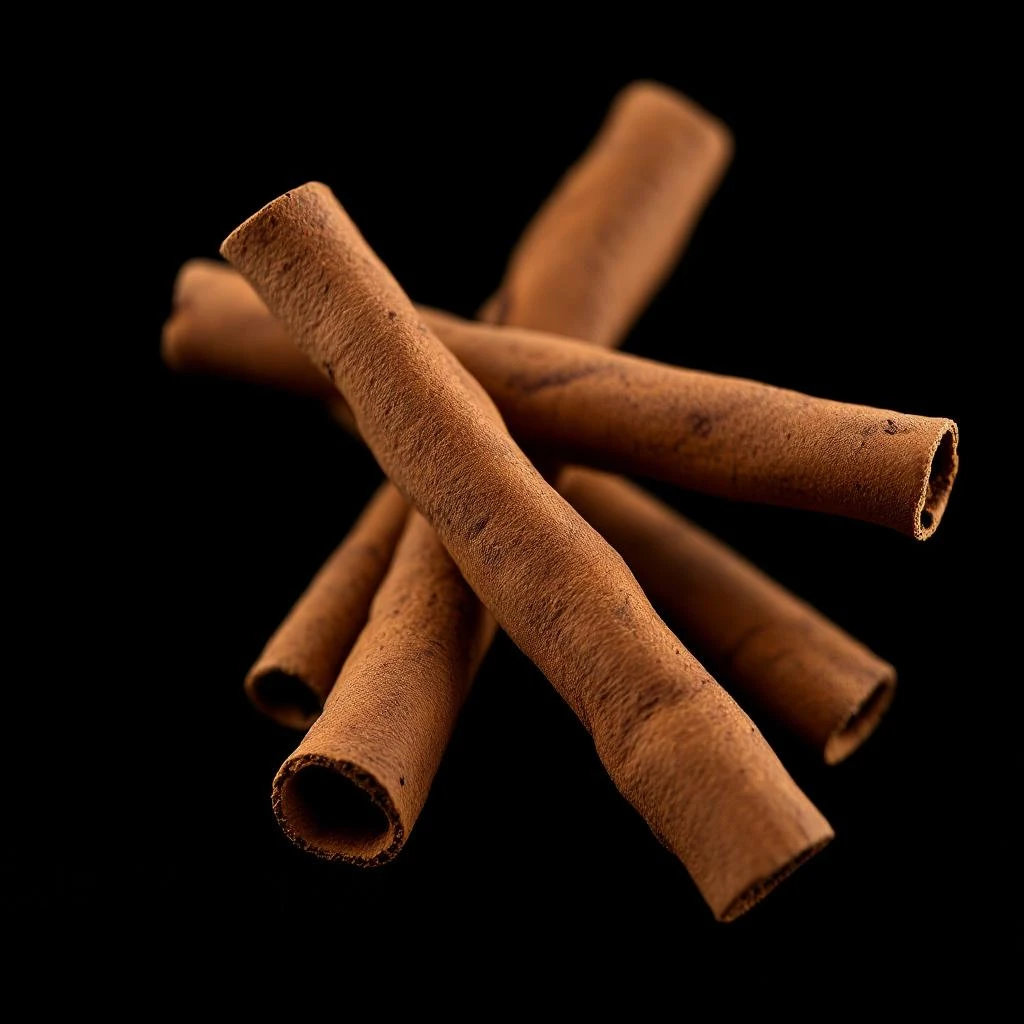
Spice traders along the ancient Silk Road valued cinnamon more than gold, measuring it in hand-widths for exchange.
Pairs beautifully with
Origin
Sri Lanka
The spice trade shaped human civilization, driving exploration from Alexandria to the Moluccas. Ancient Egyptians burned cinnamon and clove in religious ceremonies, creating the first recorded use of warm spices in ritual.
Medieval European apothecaries guarded spice recipes as closely as modern perfumers guard formulas today. The Portuguese capture of the spice routes in the 15th century remapped global commerce.
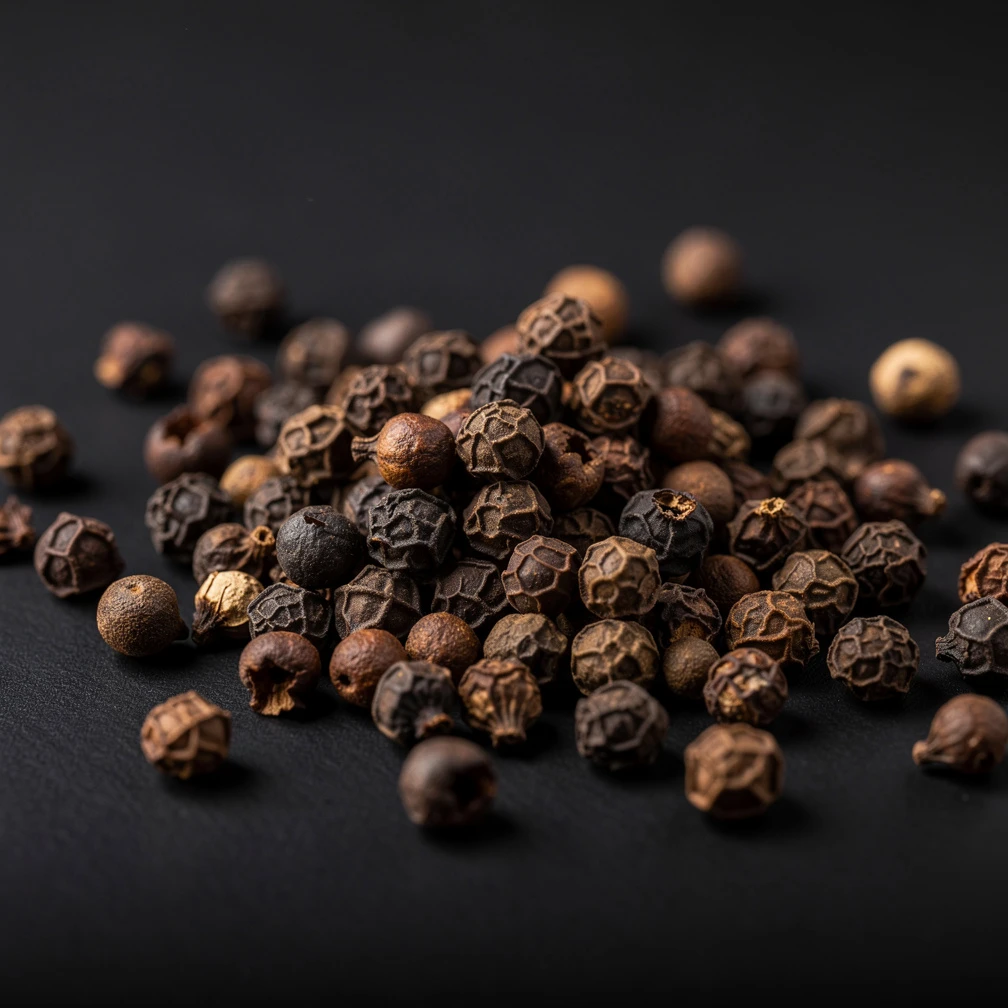
Each warm spice carries centuries of cultural meaning: clove represented nobility in Java, cinnamon symbolized divinity in ancient Rome, and black pepper served as currency in medieval Europe. These ingredients connected worlds before mass communication existed.
Wears it best
Fragrances featuring Warm Spice
Brands
Brands known for Warm Spice
Good to know
Questions, answered
The essentials on Warm Spice in perfumery: how it smells, where it comes from, and how it behaves on skin.
What defines a warm spice in perfumery?
Warm spices create an immediate sensation of heat and depth through aromatic compounds like eugenol, cinnamaldehyde, and myristicin. They contrast with fresh spices by adding resinous, sweet, and sometimes smoky character rather than bright, sharp notes.
Which spices count as warm rather than fresh?
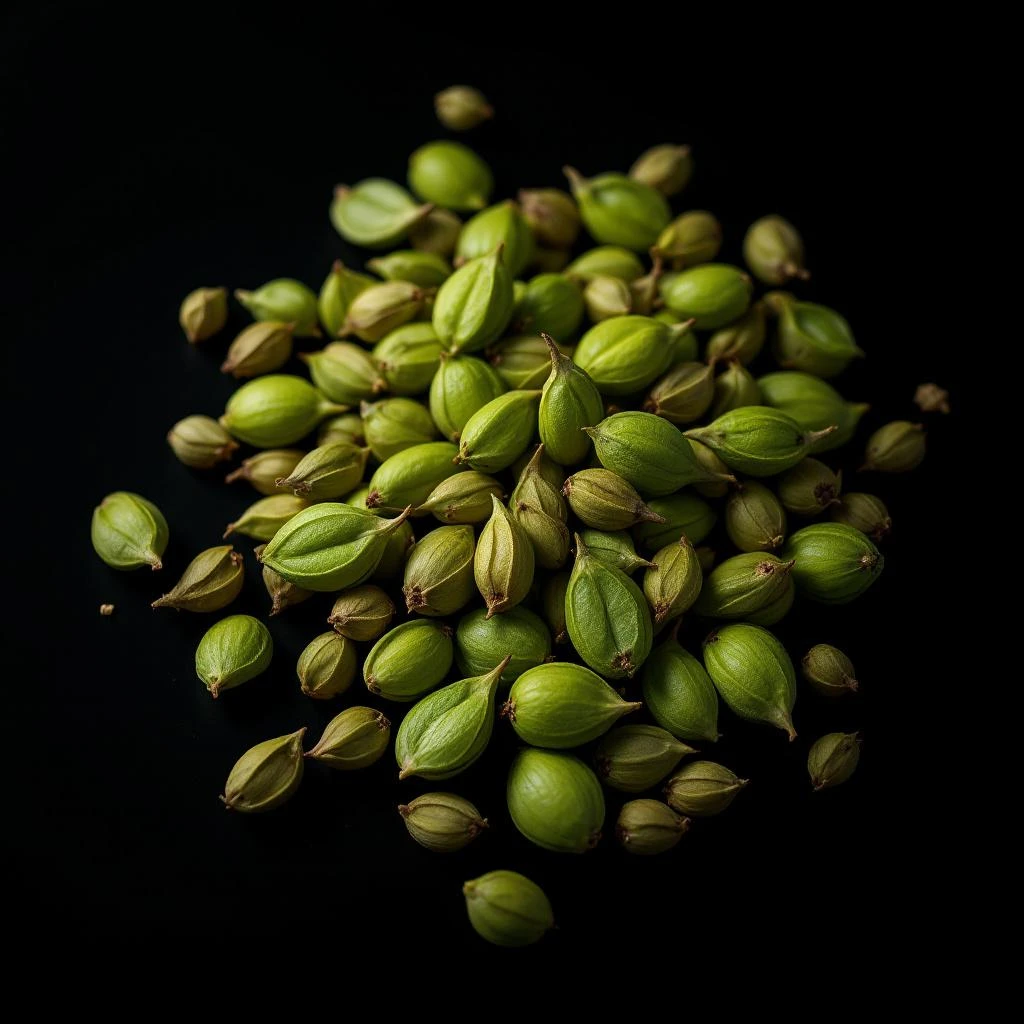
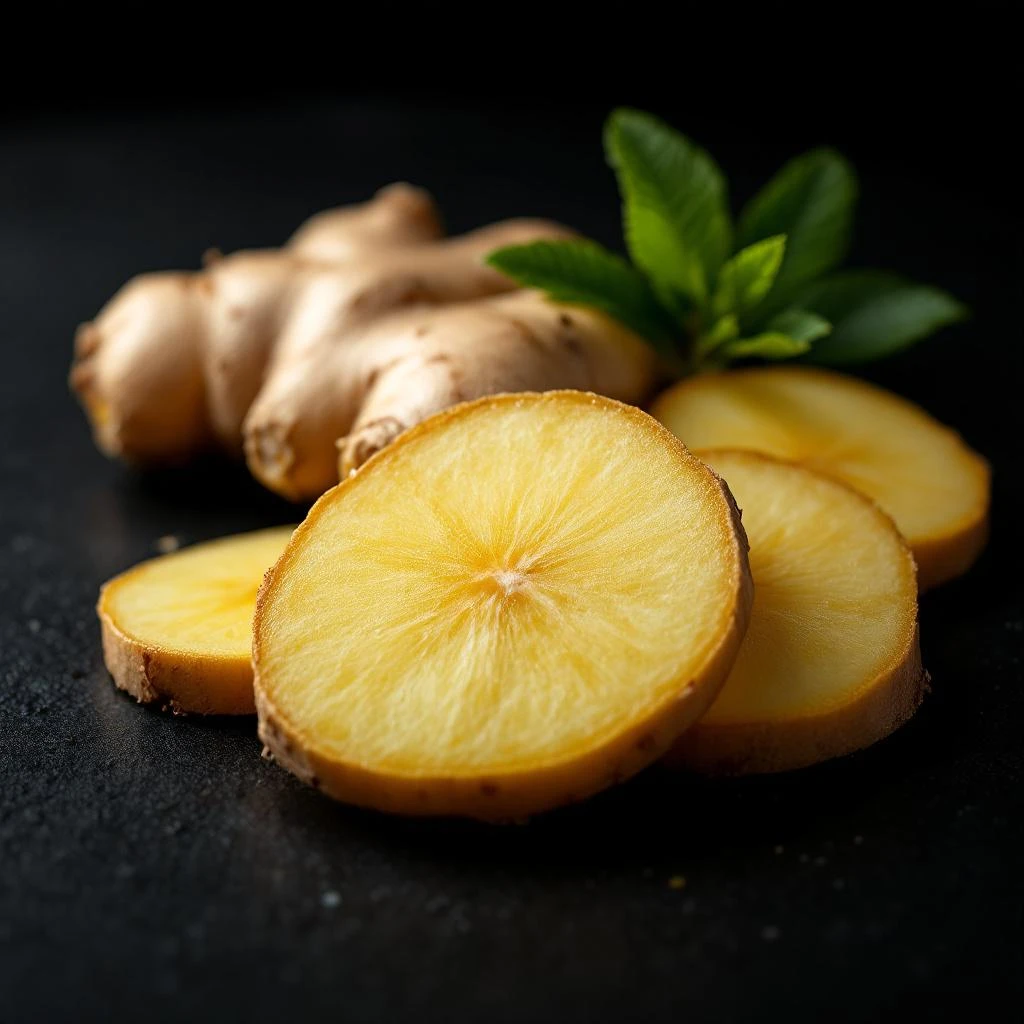
Cinnamon, clove, and allspice rank as the warmest materials. Nutmeg, star anise, and black pepper occupy the middle ground. Cardamom and ginger can lean either direction depending on extraction and formulation.
Are warm spice notes potent in fragrance formulations?
Warm spices are typically used at low concentrations, often between 0.5% and 5% of the formula. Eugenol in clove and cinnamaldehyde in cinnamon can cause skin sensitization at high levels, requiring careful dilution.
What fragrance families pair well with warm spice notes?
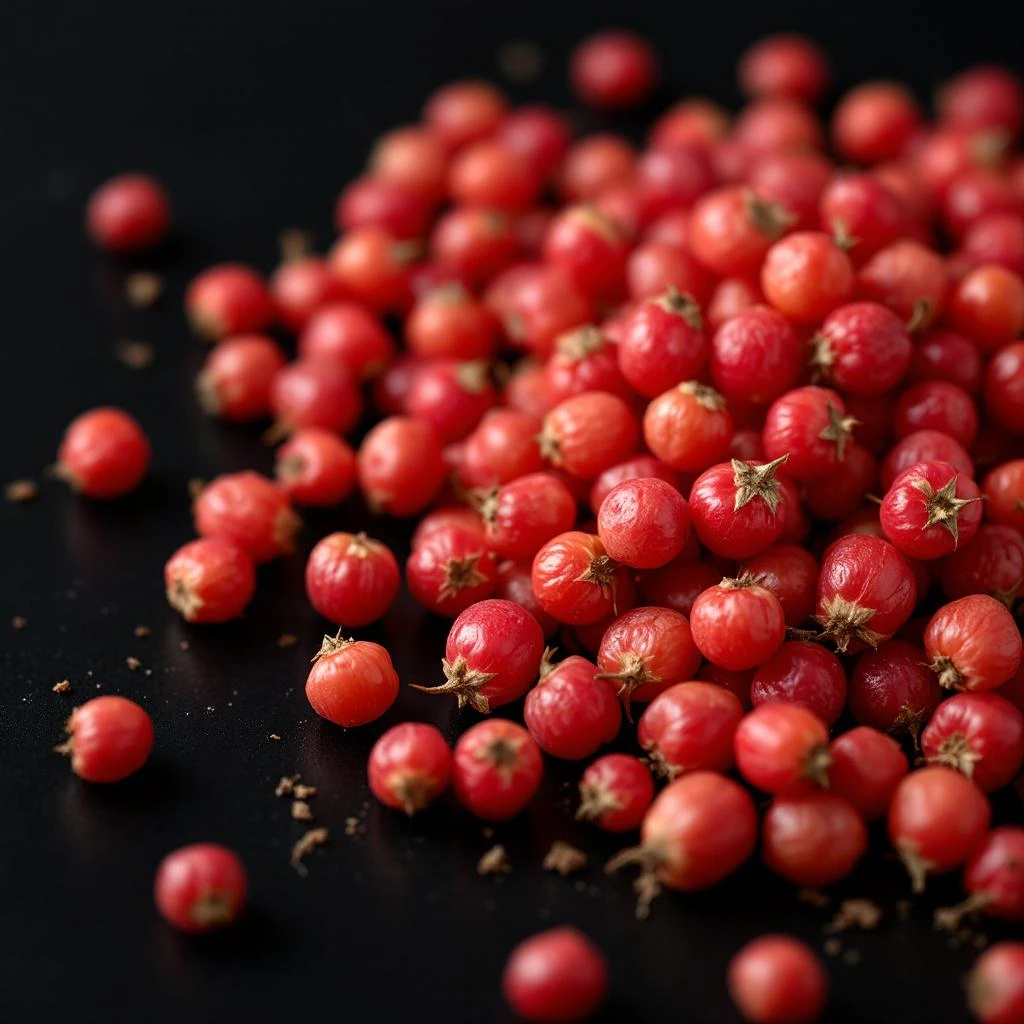
Oriental fragrances anchor themselves on warm spices, combining them with amber, vanilla, and oud. Woody fragrances gain complexity from a touch of cardamom or pink pepper. Gourmand compositions build on cinnamon and clove for edible character.
Where do perfumers source their warm spice materials?
The finest cinnamon bark still comes from Sri Lanka, clove bud from Madagascar and the Comoros Islands, and nutmeg from the Banda Islands of Indonesia. Quality varies significantly by growing region and harvest timing.
How do extraction methods affect warm spice aroma?
Steam distilled cinnamon bark delivers sharp, medicinal warmth while solvent extracted absolute shows deeper, sweeter spice. Nutmeg essential oil changes character dramatically between light and heavy fractions during distillation.
What do warm spices smell like individually?
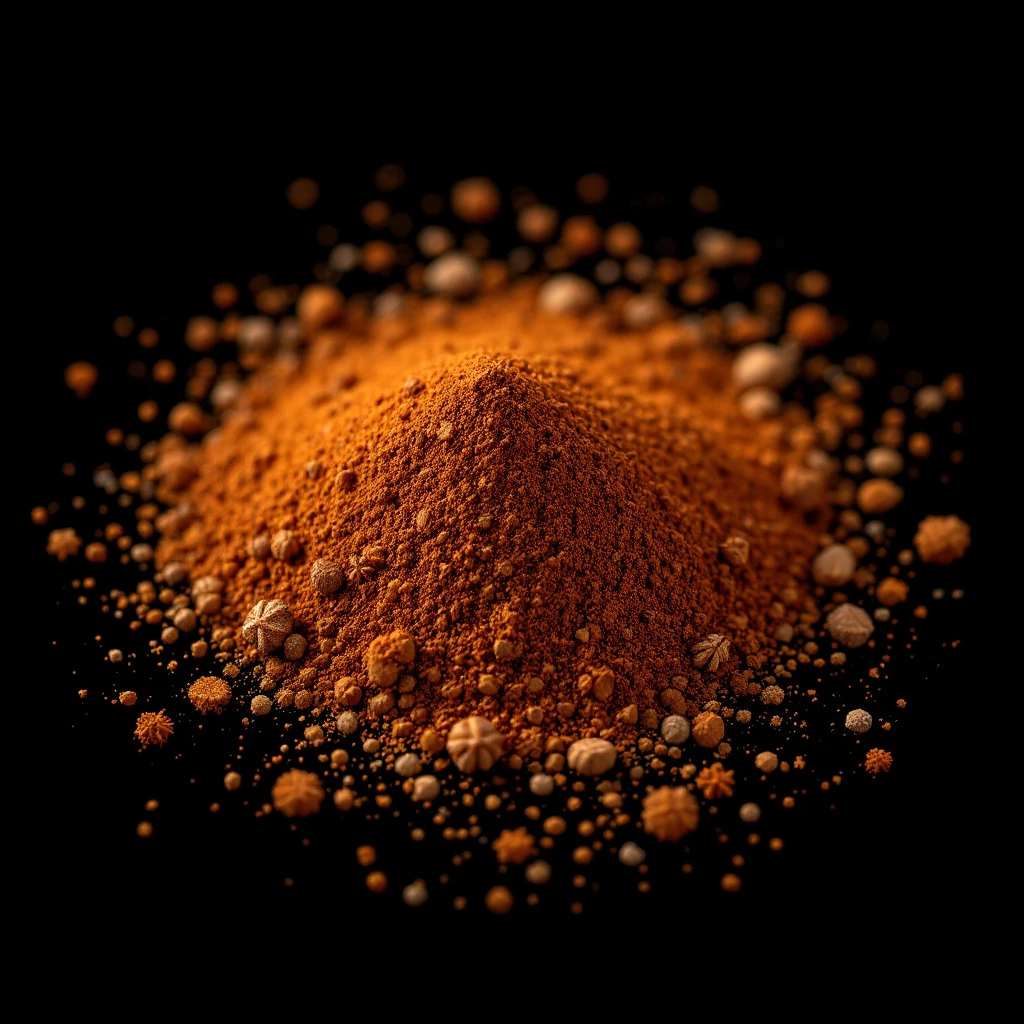
Cinnamon offers sweet-biting heat, clove delivers eugenol-rich medicinal depth, nutmeg provides waxy-woody warmth, and star anise contributes licorice-like anethole character. Each spice contains dozens of aromatic molecules creating complex olfactory signatures.
Do warm spices evolve on the skin throughout the day?
Warm spice notes typically bloom within the first 30 minutes as top notes or emerge as heart notes later. On skin, cinnamon fades fastest while clove and star anise persist for hours, creating a lasting spiced dry-down.