The Story
Why it exists.
The beginning
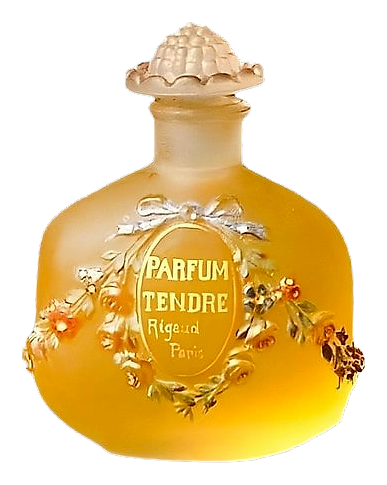
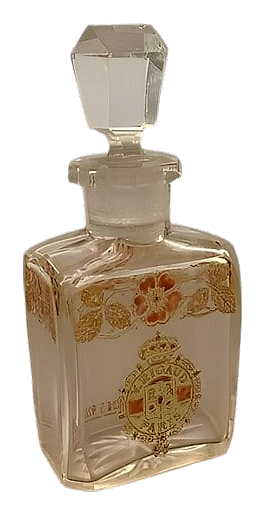
Un Air Embaumé translates loosely as "a perfumed air" or "an embalmed atmosphere," and in 1914 that was less a poetic gesture than a description. Parisian perfumer Marius Reboul composed this for Rigaud, a house already decades into its craft by then, with a catalogue that leaned literary and romantic in its naming conventions. The name sits within a body of work full of fragrant gestures and evocative titles, each composition aimed at evoking mood and atmosphere rather than simply listing ingredients. Reboul reached for something that performed like incense poured into a drawing room, green at the threshold, spiced through the middle, resinous at the floor.
The backbone here is the carnation and heliotrope pairing, a combination that reads as almondy, powdery, and slightly medicinal depending on how much air it gets. Heliotrope contributes the marzipan sweetness, a confectionary note that sits somewhere between powdered sugar and bitter almond paste. Carnation brings the clove, a warmth that hovers between baking spice and dried herbs, grounding the sweeter heliotrope with something sharper and more savory. Galbanum up top is the wild card: bitter green, almost metallic, the way a stem snaps rather than how a flower smells.
The evolution
The first ten minutes belong to galbanum, cold and sharp, almost smelling of cut stems and damp leaves rather than anything floral. That green note hits immediately, bright and almost metallic, with none of the usual perfume haze to soften the opening. Then the heart rolls in: carnation dense and clove-heavy, heliotrope wrapping it in something sweeter and softer, like powdered sugar dusted over warm bread. The transition from green to spice takes maybe twenty minutes, and it is not gradual. It is a handoff, one note stepping aside as the next takes center. After an hour, the florals have banked down and the base takes over. Benzoin and vanilla build a sweet, low amber glow, that resinous warmth that smells like incense smoke caught in fabric. Sandalwood and cedar ground it with their dry, woody quiet. Patchouli darkens the edges slightly, lending an earthy shadow to the sweetness.
Cultural impact
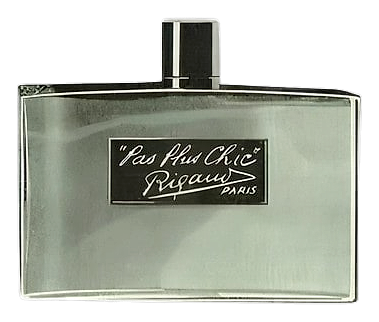
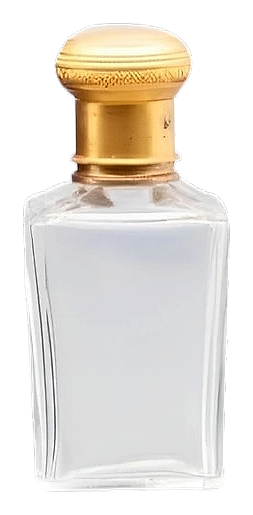
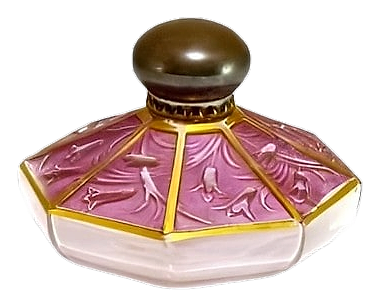
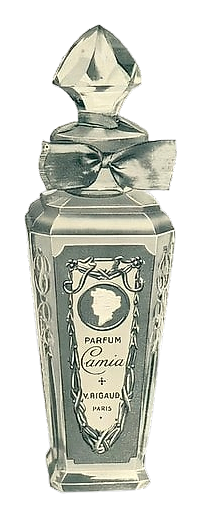
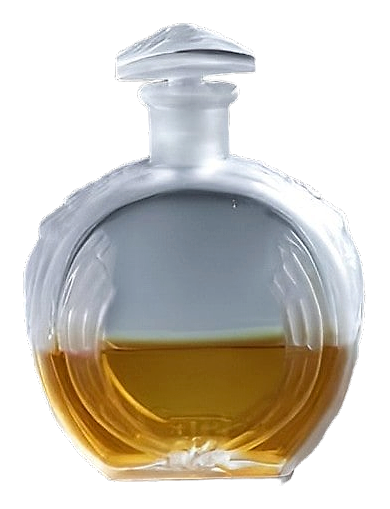
Among collectors of early twentieth-century French perfumery, Un Air Embaumé holds a specific status as a composition from a Rigaud catalogue that valued literary naming and atmospheric intent. Its presence in old perfume booklets and its survival in antique flacons have given it a kind of period-piece standing, the kind of scent that turns up in collections not for trend but for continuity. A 1914 release from a house with deep Parisian roots, it belongs to a moment when perfumery was branching out from simple florals into more layered, conceptual work.
The House
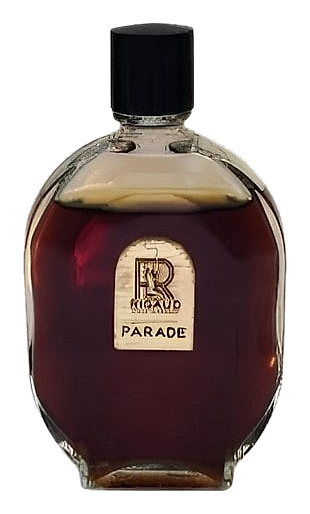
RigaudRigaud is a French perfumery house with roots stretching back to 1852, when founder Jean-Baptiste François Rigaud settled in Paris. Born in Riom in 1829, Rigaud built a reputation for fine fragrance during the Second Empire era and grew to ship his perfumes across Europe and into the American market by the late 1860s. The house is remembered for a catalogue of evocative scent names spanning over a century, from Des Roses (1908) and Mary Garden (1910) to Cupid's Darts (1914) and Parade (1932). In the mid-twentieth century, Rigaud turned its perfumery skill toward an unexpected medium: wax. The house became associated with the early development of the perfumed candle, producing scents that found their way into some of the most prominent interiors of the twentieth century.
The Creator
Marius ReboulReboul's signature technique involved the careful layering of rich florals over warm, resinous bases, anchored by the amber and balsamic materials he sourced with obsessive attention. He worked comfortably with aldehydes and the new synthetic musks arriving from Givaudan's res…