The Story
Why it exists.
The beginning
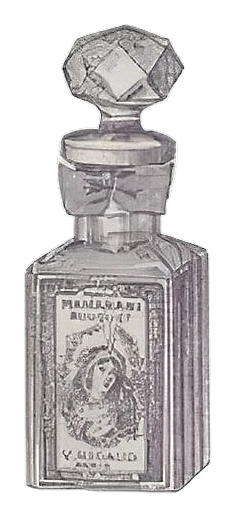
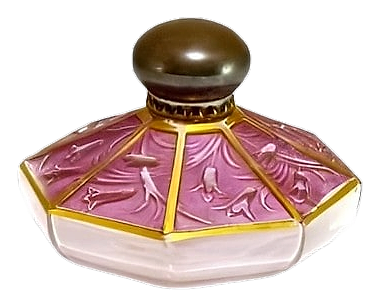
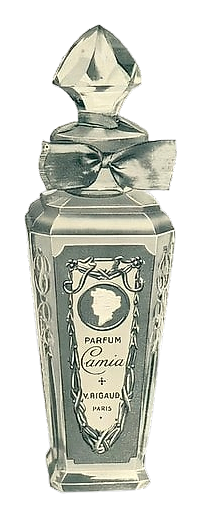
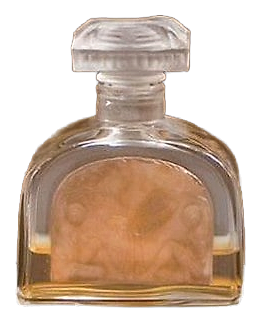
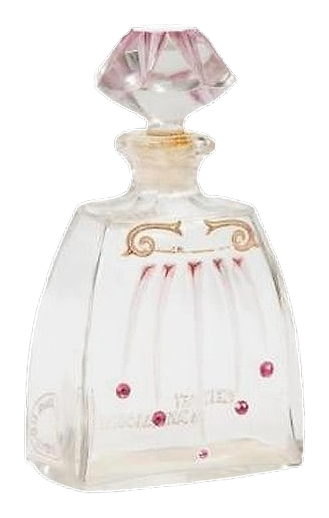
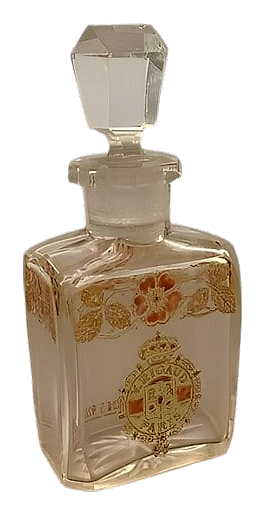
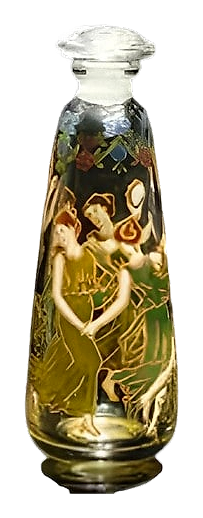
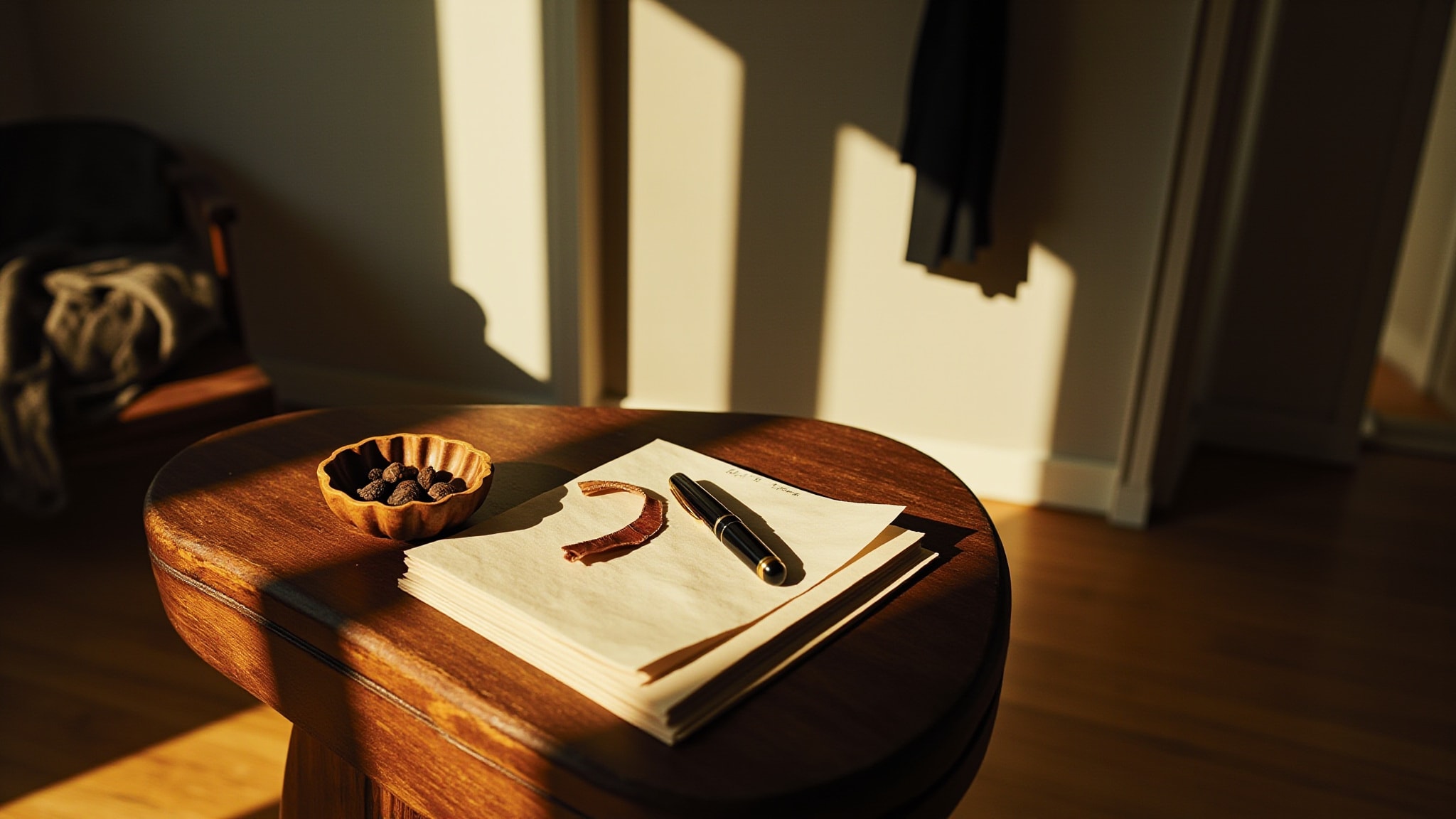
Muses de Bois arrived in 1913 from Rigaud. The name itself, muses of the woods, suggests exactly the territory the perfume stakes out: not garden flowers in full sun, but something wilder, more interior, more shaded. Rigaud's catalogue from this period included names like Mary Garden and Cupid's Darts, and Muses de Bois sits comfortably in that lineage of character-driven titles. It's a composition that treats the forest as subject matter, drawing on the natural world rather than confining itself to cultivated blooms. The woody spine gives the fragrance its skeleton, while the floral heart gives it breath. Together they form a structured accord characteristic of early twentieth-century French perfumery: composed, measured, unhurried.
What's worth noticing is how the composition holds itself together. The floral element doesn't float above the wood; it weaves through it, the two materials bound so closely that you can hardly separate them in the air. The woody structure grounds the fragrance, giving it weight and presence, while the florals soften without ever fully brightening the picture. Without the wood, the composition would lose its gravity. Without the florals, it would feel raw and unfinished. What Muses de Bois understood is that these layers aren't competing.
The evolution
The opening introduces the floral accord immediately, soft and present rather than building from anything sharper. Within the first twenty minutes, that initial impression begins to settle and develop, the floral elements pressing forward without ever overwhelming. You don't get a top-note explosion here. You get a controlled release, one layer stepping aside for the next without anything ever fully disappearing. The transition from heart to base is where the wood decides what kind of fragrance this wants to be. It settles into something drier and more grounded as the composition wears, the florals fading gradually while the woody base takes on greater prominence. Nothing about this is loud. The projection stays moderate throughout, the kind of presence that rewards someone paying attention rather than across a room.
Cultural impact
Muses de Bois belongs to a Rigaud catalogue that drew on the natural world as its primary subject. The fragrance fits within a tradition of woody florals built around composition rather than broadcast, the kind of structure that rewards attention paid up close. Its relative obscurity today owes more to the passage of time and the fate of many early twentieth-century French houses than to any failure of the original juice. What survives in Muses de Bois is a particular sensibility: the willingness to let wood lead, to let florals serve as breath rather than spectacle, to treat the forest as inspiration rather than as decorative backdrop.