The Story
Why it exists.
The beginning
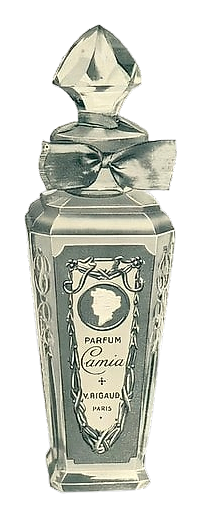
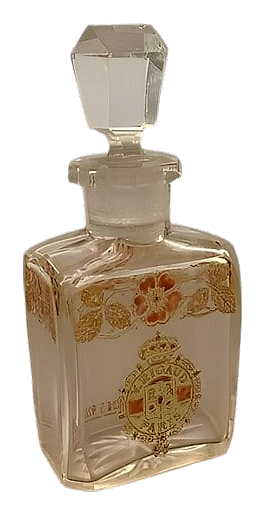
Altesse arrived in 1903, a composition bearing a name drawn from the French language itself. 'Altesse' is a form of address used for royalty, an aristocratic register that the title carries on its own. The fragrance sits within a catalogue of names that evoke a particular literary and romantic sensibility. Names that gesture toward opera, poetry, and tribute. Altesse belongs squarely within that naming tradition, its identity inseparable from the elegance the word implies. Rigaud had been operating as a Parisian house since 1852 according to the brand's own materials, rooted in the craft of perfumery and the production of scented candles before fragrance became its primary offering.
What makes Altesse interesting is not any single note but the overall restraint of the composition. The fragrance operates at a lower volume than many of its contemporaries might have chosen, and that choice defines its character. Where other compositions might have declared their intentions loudly, Altesse keeps things measured. Every material seems placed with deliberation, nothing fighting for the spotlight, nothing hiding either. The result is a scent that asks the wearer to lean in rather than push outward.
The evolution
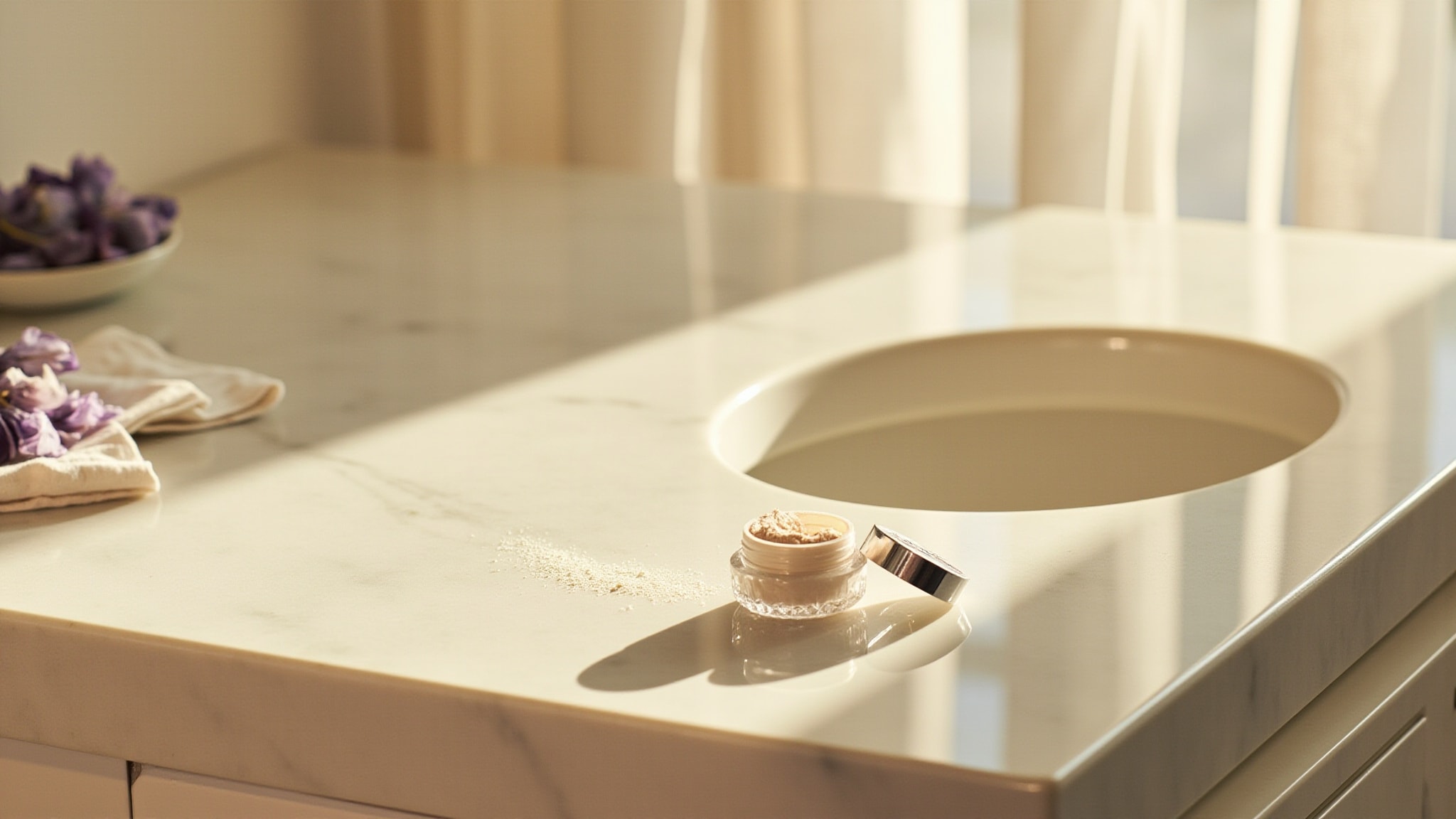
The first hour belongs to a soft, bright floral opening that arrives like morning light through linen curtains. There's nothing sharp about it. The florals don't shout. They settle on skin with the gentleness of face powder applied by someone who learned the technique decades ago. There's a clean lift to the opening, a brightness that feels almost like opening a window in a room that has been still for a long time. By the second hour, the composition has deepened. The florals begin to blur into something warmer, spicier, more opaque. Hints of clove and warmth emerge without ever announcing themselves directly. The transition is gradual, almost imperceptible if you're not paying attention, but unmistakable once you notice it. By hour four, the drydown has settled into a soft, powdery warmth that stays close to the skin. It doesn't project. It doesn't need to.
Cultural impact
Altesse belongs to a particular register of French perfumery that feels increasingly distant from much of what gets composed now. Wearing it is less an exercise in nostalgia than an encounter with a mode of fragrance-making that trusts the materials to speak softly. The restraint on display here, the powdery warmth, the sense of a composition that asks the wearer to lean in rather than lean back, represents a set of choices that feel rare in contemporary fragrance. There is a patience built into Altesse, an unhurried quality that rewards attention. The fragrance doesn't perform.