The Story
Why it exists.
The beginning
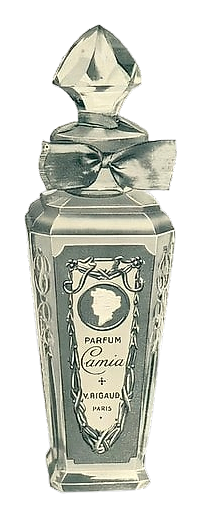
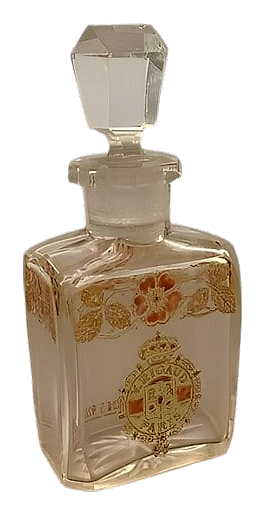
Des Roses arrived in 1908, a period when the language of perfumery was still being written in long, unhurried sentences. Rigaud was a Parisian house with deep roots, and the perfumers who composed Des Roses understood something fundamental about rose: the flower can either become a chorus of competing materials or it can stand alone, supported only by what it truly needs. Des Roses chose stillness. Rather than constructing a rose that shouted, the composition placed the bloom at the center and built outward with restraint. The result reads as a single flower held under glass, composed, quiet, and slightly out of step with the louder florals that would define later decades.
What defines the composition is the discipline of its frame. The spicy opening and the woody-sweet drydown create a warm architecture around the rose, and that warmth is consistent from the first moments through the final hours of wear. The wearer enters through spice, stays surrounded by it, and exits into the same gentle gravity of wood and warmth. There is no need for bright accents or sharp gestures to make the rose legible. The composition trusts its central material completely, allowing the flower to speak at its own unhurried pace.
The evolution
Des Roses unfolds the way an old letter is opened, with a warmth that precedes any clear sense of what is inside. The opening carries a soft, peppery quality, almost like the air in a room just before a candle is lit, and the rose does not announce itself so much as arrive quietly into a space that has already been prepared for it. Once the bloom settles, it takes the center of the composition with the poise of a preserved petal rather than a freshly cut one, retaining a softness that feels intentional and unhurried. As the hours pass, a gentle sweetness begins to emerge from beneath, warm and comforting, with the roundness of well-aged wood carrying more weight than any bright or sharp accent. Later still, the rose itself begins to thin into something more abstract, less a flower than the idea of a flower, while the warmer base notes continue to hold their shape.
Cultural impact
Des Roses belongs to a small and quietly significant category of early twentieth-century rose compositions that have never been rewritten for contemporary tastes, and that untouched quality is part of their lasting appeal. Wearing it means encountering a rose that remains itself, unchanged by the trends that reshaped so many other florals in the decades that followed. There is a patience to the composition, a refusal to hurry, that gives it a particular resonance for anyone drawn to fragrances with a sense of history.