

Heritage
A house, in its own words
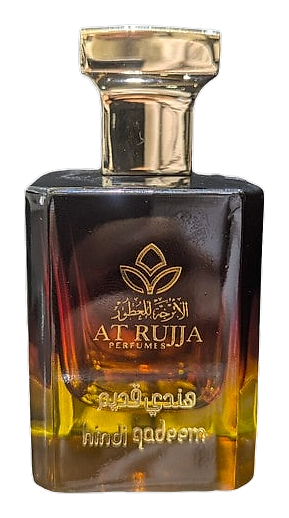
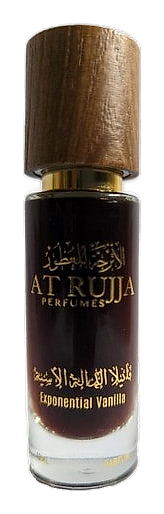
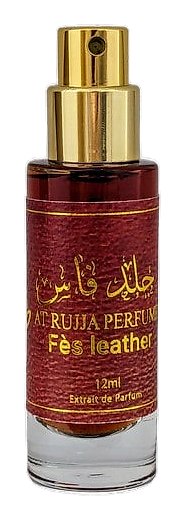
Atrujja describes itself as an Arabic heritage-inspired fragrance house whose perfumes are handmade in France. Public information does not confirm a founding date, founder or named perfumer, so the brand’s story begins with its stated artistic premise rather than a documented company history. Its materials and place references connect perfume with several distinct traditions: Indian qadeem, the rose traditions of Tunisia and Turkey, the leather-making identity of Fès, and the oud and floral vocabulary associated with Arabic perfumery. Fès Leather, released in 2023, appears as the earliest listed release, followed in 2024 by Hindi Qadeem, Tunisian Rose and Exponential Vanilla, with Trabzon arriving in 2025. These releases suggest a focused, growing catalogue built around culturally specific ingredients and locations. The wider Middle Eastern fragrance tradition has a long history, and Atrujja positions itself within that context while also claiming French production and haute-parfumerie craft. The available material supports this positioning, but does not establish formal milestones beyond the release dates or reveal a named creative team. Atrujja’s creative vision centres on translating Arabic heritage into contemporary niche perfume. The house describes its work as inspired by Arabic heritage, with references to jasmine, Turkish rose, natural oud, Taif rose and Bulgarian rose. That palette gives the collection a clear material-led character, while names such as Hindi Qadeem, Tunisian Rose, Fès Leather and Trabzon make geography part of the storytelling. The approach is less about a single house style than a set of distinct olfactory prompts: qadeem evokes an Indian fragrance tradition, rose compositions point to different regional expressions, and leather introduces a tactile, urban note. Public sources do not identify the perfumer or explain the brand’s formulation process in detail. Still, Atrujja’s emphasis on fine raw materials, handmade production and haute parfumerie gives the house a concise point of view: cultural reference should shape the scent, not merely decorate the presentation. Its identity sits between Arabic olfactory inheritance and the French production setting it claims.