
The Story
Why it exists.
The beginning
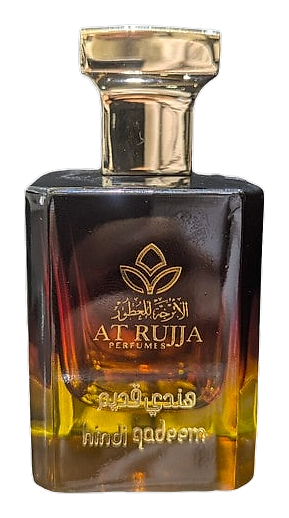
Hindi Qadeem arrived in 2024 as part of Atrujja's Qadeem Collection. Ghriss Mohamed composed it around an unusually broad material palette: banana, iris butter, several roses, three distinct ouds, patchouli, amber, benzoin, honey, and warm spice. The name points directly to Indian qadeem, while the construction makes that reference expansive rather than nostalgic. Saffron and cardamom bring a measured heat. Rose and champaca flower add polish. Fruit, honey, and vanilla supply sweetness, but patchouli, resin, smoke, and animalic depth keep the composition grounded and dark. As the fragrance develops, its creamy fruitiness gives way to a richer floral heart, then settles into a warm trail of woods, resins, sweetness, and spice.
Its distinction lies in contrast without strain. Banana and passion fruit soften the severity of oud, while rose and iris butter keep the fruit from becoming dessert-simple. Saffron, clove, nutmeg, and cardamom introduce aromatic heat, and benzoin, labdanum, amber, and vanilla build a resinous glow around it. Three oud expressions add breadth rather than repeating the same woody idea. The result feels elaborate, yet the notes move as a family instead of a checklist.
The evolution
The first impression is rounded and tactile: banana and passion fruit give the oud a creamy top, while saffron and cardamom add a dry, fragrant heat. As those notes recede, Bulgarian rose, wild rose, champaca flower, and iris butter bring out the polished floral side, with patchouli giving the heart a darker pulse. The drydown gathers amber, benzoin, honey, vanilla, labdanum, and the oud woods into a dense resinous trail. Patchouli and animalic warmth can emerge strongly after hours, while fruit and rose soften the edges. By morning, the scent reads closer to warm skin, faded wood, and lingering sweetness than to the rounder opening. The final chapter remains defined by the contrast between dark woods and resins, softened by fading fruit and floral notes, with warm spice and sweetness lingering close to the skin.
Cultural impact
Hindi Qadeem connects its title directly to Indian qadeem through a broad composition of fruit, flowers, spices, woods, patchouli, and resins. Banana and passion fruit lend a rounded sweetness, saffron and cardamom introduce dry heat, and rose, champaca flower, and iris butter add a polished floral dimension. The ouds, patchouli, amber, benzoin, honey, vanilla, and warm spice create a deep trail that becomes darker and more resinous as the fragrance wears on, with smoke and animalic notes adding further depth.
The House
AtrujjaAtrujja draws its identity from Arabic perfumery and presents it through a French-made niche lens. Its small collection moves between Indian qadeem, Tunisian rose, Turkish rose, leather from Fès, vanilla and oud, pairing place-based names with an emphasis on fine raw materials and handmade craft.
The Creator
Ghriss MohamedNo verified perfumes or ingredient preferences are currently attributed to Ghriss Mohamed, so a specific account of her signature materials would be invention. Her style can nevertheless be framed by the possibilities inherent in contemporary perfumery: structure can be soften…