The Story
Why it exists.
The beginning
Tunisian Rose arrived in 2024 as a unisex fragrance from Ghriss Mohamed. The name points to Tunisia, while Turkish rose sits at the heart of the composition. The official description places Turkish rose beside the fruity accents of raspberry and blackcurrant. Tunisian neroli contributes a clean, citrusy brightness, and amber and sandalwood lend the blend warmth and a polished woody depth. The result is not a literal portrait of a garden or landscape. It is a rose composition built around contrast, where bright citrus, fruit, floral richness, and soft woods meet in one carefully shaped scent.
The composition gains its character from the meeting of materials that usually live in different rooms. Tunisian neroli brings a clean, sparkling lift. Raspberry and blackcurrant add dark fruit rather than simple sweetness, while Turkish rose supplies the floral depth. Amber and sandalwood then change the register, giving the blend a warm, polished base. That progression is what makes the fragrance feel layered on skin, with a clear movement from airy citrus toward richer fruit, rose, and woods.
The evolution
The opening starts with Tunisian neroli, clean and buoyant, like citrus light catching on fabric. As that brightness recedes, raspberry and blackcurrant introduce a juicier pulse, and Turkish rose gives the composition its floral center. The fruit and rose linger together, making the middle feel generous and slightly decadent rather than simply fresh. Later, amber and sandalwood replace that lift with warmth, leaving a softer, woody trace close to the skin. As the scent wears, the fruit has softened, the rose feels more velvety, and the drydown carries that polished amber-and-sandalwood warmth.
Cultural impact
Tunisian Rose fits Atrujja’s place-led catalogue, where geography helps frame each composition. Turkish rose, Tunisian neroli, and an official description centred on rose and fruit shape the fragrance. The pairing of Turkish rose with blackcurrant and raspberry gives the floral material a darker, more contemporary register. The combination is especially notable for its balance of fresh citrus, ripe fruit, rose, amber, and sandalwood, offering a rose fragrance that moves between brightness and depth without relying on a conventionally soft floral treatment.
The House
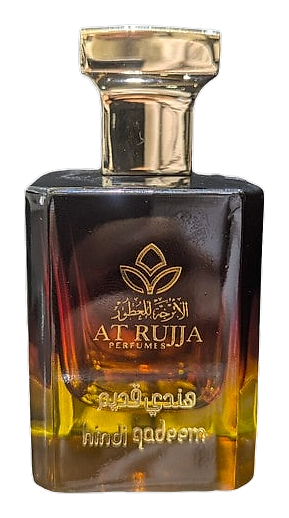
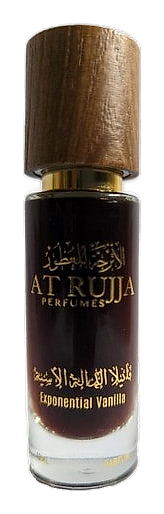
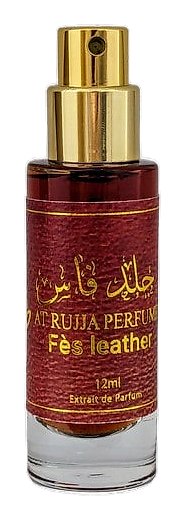
AtrujjaAtrujja draws its identity from Arabic perfumery and presents it through a French-made niche lens. Its small collection moves between Indian qadeem, Tunisian rose, Turkish rose, leather from Fès, vanilla and oud, pairing place-based names with an emphasis on fine raw materials and handmade craft.
The Creator
Ghriss MohamedNo verified perfumes or ingredient preferences are currently attributed to Ghriss Mohamed, so a specific account of her signature materials would be invention. Her style can nevertheless be framed by the possibilities inherent in contemporary perfumery: structure can be soften…