


Heritage
A house, in its own words
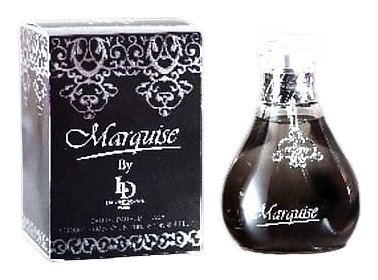
The available record does not establish a single, consistent founding date for Laurent Dornel. A retail fragrance database lists five Laurent Dornel fragrances with 2001 launch dates, while Parfumo also dates the earliest documented release to 2001. Other search material places the brand’s founding in 2005, although that claim appears without supporting detail and conflicts with the earlier perfume records. Laurent Dornel’s verifiable history is therefore clearest through its releases: 2001, the debut year named in the catalog, followed by a concentrated group of launches in 2007. Parfumo records seven perfumes with known years and reports that five arrived in 2007. Titles such as Marquise and Vetiver For Men show the house moving across different fragrance identities, including ornate, traditionally named compositions and a clearly gendered vetiver offering. The name Laurent Dornel has also been used in listings for La Collection perfumes and related products, but the available evidence does not support a detailed account of the company’s formation, ownership, or corporate milestones. What can be said with confidence is that the brand emerged in the early 2000s and built a small catalog around 2001 and 2007. Its history is documented more completely by those launch dates than by widely reported biographical or industrial milestones. Laurent Dornel’s creative philosophy can be read through the naming and positioning of its fragrances, though the house publishes little verified information about its internal approach. The catalog favors direct, evocative titles. Red uses a single color word with immediate sensory potential, Marquise carries a historical and aristocratic resonance, and Vetiver For Men identifies both its central material and intended wearer. That combination suggests a preference for clarity of concept over elaborate naming. The eau de parfum format, used for documented releases such as 2001, also places the brand within a recognizable fragrance tradition built around sustained scent, stronger concentration, and deliberate presentation. The range does not appear to rely on one visible artistic manifesto. Instead, it presents individual fragrances as distinct olfactory propositions. This approach is consistent across both traditionally styled names and material-led ones. In practical terms, the brand’s discernible values are variety within a compact portfolio, legible scent identities, and an emphasis on conventional perfume codes. Claims about innovation, sophistication, or luxury are less useful than these documented details because they are either promotional or unsupported by independent evidence.