Laurent Dornel
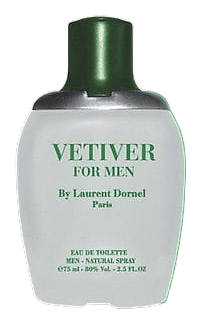
Laurent Dornel is a French fragrance name whose catalogue dates to 2001, with several releases arriving in 2007. The house occupies an intriguing corner of perfumery: familiar enough to offer clearly composed scents, yet independent enough to retain an air of discretion. Available descriptions characterise its work through an herbal, floral and woody vocabulary, suggesting compositions built around contrast, balance and the polished ease of a classic French sensibility. Public information on Dornel’s training, early employment and creative breakthrough remains limited, so the brand’s identity rests chiefly on its small archive. Names including 2001 and a men’s fragrance also bearing the Laurent Dornel title give the collection a distinctly date-stamped character, joining masculine structure with the softer natural cadence associated with floral and herbal compositions.
The hits
Notable creations
The signature
How Laurent composes
The Laurent Dornel style is best described as herbal, floral and woody, with a measured, balanced character. Its compositions reportedly favour well-proportioned blends in which aromatic freshness meets floral softness and woody depth. That framework suits both traditionally masculine scents and lighter, more natural interpretations, since herbs can sharpen a woody formula while florals keep it from feeling severe. The name 2001 gives one release a sleek, minimal identity, yet the broader catalogue spans several titles and launch years. Ingredient lists vary across available records and no individual perfumer credits are consistently confirmed, so particular materials should be treated with care. What remains consistent is the brand’s preference for clarity, contrast and an easy sense of finish rather than dense exoticism.
Philosophy
What drives Laurent
Dornel’s creative philosophy appears rooted in balance rather than spectacle. Herbal notes bring clarity and a lightly green edge, florals supply grace, and woods lend warmth and structure. That combination can produce scents that feel composed without becoming rigid, especially when bright aromatic elements temper deeper woody materials. The 2001 and 2007 releases suggest an early-21st-century instinct for readable fragrance design: recognisable families, clear contrasts and a polished surface. Because detailed interviews and confirmed statements from the house are scarce, it would be risky to assign the brand a more specific manifesto. Its compositions, by contrast, point toward a restrained idea of sophistication, one in which each ingredient seems chosen to hold its place beside the others rather than to overwhelm them.
The houses