The Story
Why it exists.
The beginning
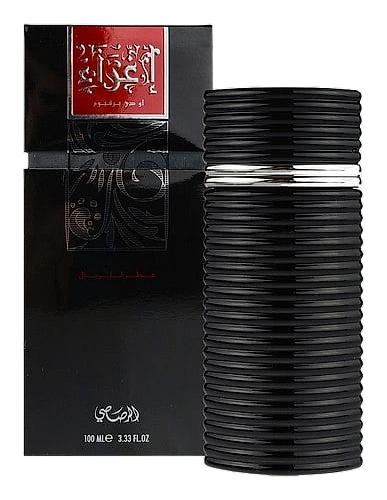
Most sandalwood fragrances lead with something bright and interesting, then get around to the wood eventually. This one opens with it. The composition puts creaminess right in the top notes alongside bergamot and sage, letting the star show up from the first spray. The sandalwood isn't decoration, it's the architecture, with everything else, basil, vetiver, orris, the dusty warmth of incense, arranged as supporting walls. The name tells you what you're getting. No poetry, no ambiguity. That's the point. Fragrance databases note the release year as unknown, and the production appears to have been discontinued, which makes bottles that surface now feel like small discoveries rather than current releases.
What makes the structure work is the herbal counterweight. Sage and basil in the upper layers give the sandalwood something to push against, a green sharpness that keeps the wood from collapsing into pure sweetness. The two herbs operate as conversation partners, pulling the sandalwood away from dessert territory and keeping it firmly grounded. Hazelnut in the heart adds a toasted, almost edible warmth that bridges the aromatic top and the resinous base.
The evolution
The opening phase is the most active: bergamot and lemon lift the sandalwood off the skin, and the sage adds a clean, almost camphorous edge that reads herbal and fresh. The citrus here doesn't shout so much as it shimmers, giving the wood a brief halo of brightness before the composition settles. As the top notes soften, cedar and vetiver begin doing the structural work, giving the sandalwood a drier, more architectural frame. The hazelnut surfaces as a warm, nutty undertone that keeps the heart from feeling austere. There's a roasted quality to it, like the smell of nuts warming in a pan, that adds comfort without crossing into gourmand territory. This middle phase is the fragrance's signature, the part most people will recognize and remember. The sandalwood here feels settled and confident, no longer competing with the bright top notes but now in full command.
Cultural impact
Sandal Wood by Rasasi exists within a broader tradition of sandalwood-forward fragrances that have traveled well beyond their origins. Sandalwood as a material carries deep significance across multiple cultures, used in incense, ritual, and perfumery for centuries, and compositions built around it tend to attract buyers who approach fragrance as something more than a casual accessory. The Rasasi release contributes to that lineage by offering a profile that bridges Eastern and Western sensibilities: the creaminess and depth that sandalwood lovers seek, combined with a structure that wears comfortably in contemporary settings.