The Story
Why it exists.
The beginning
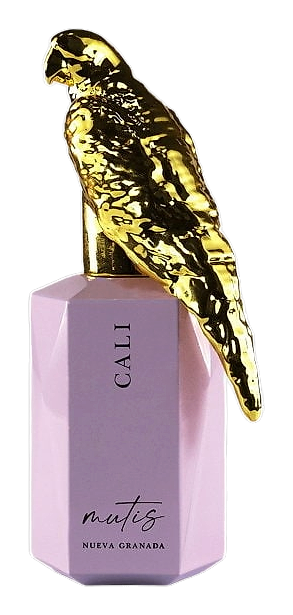
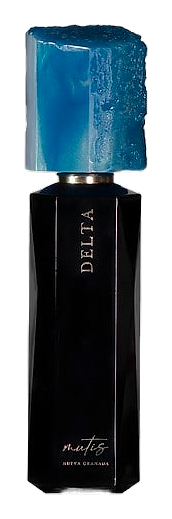
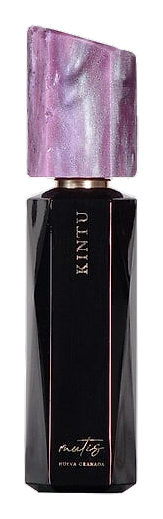
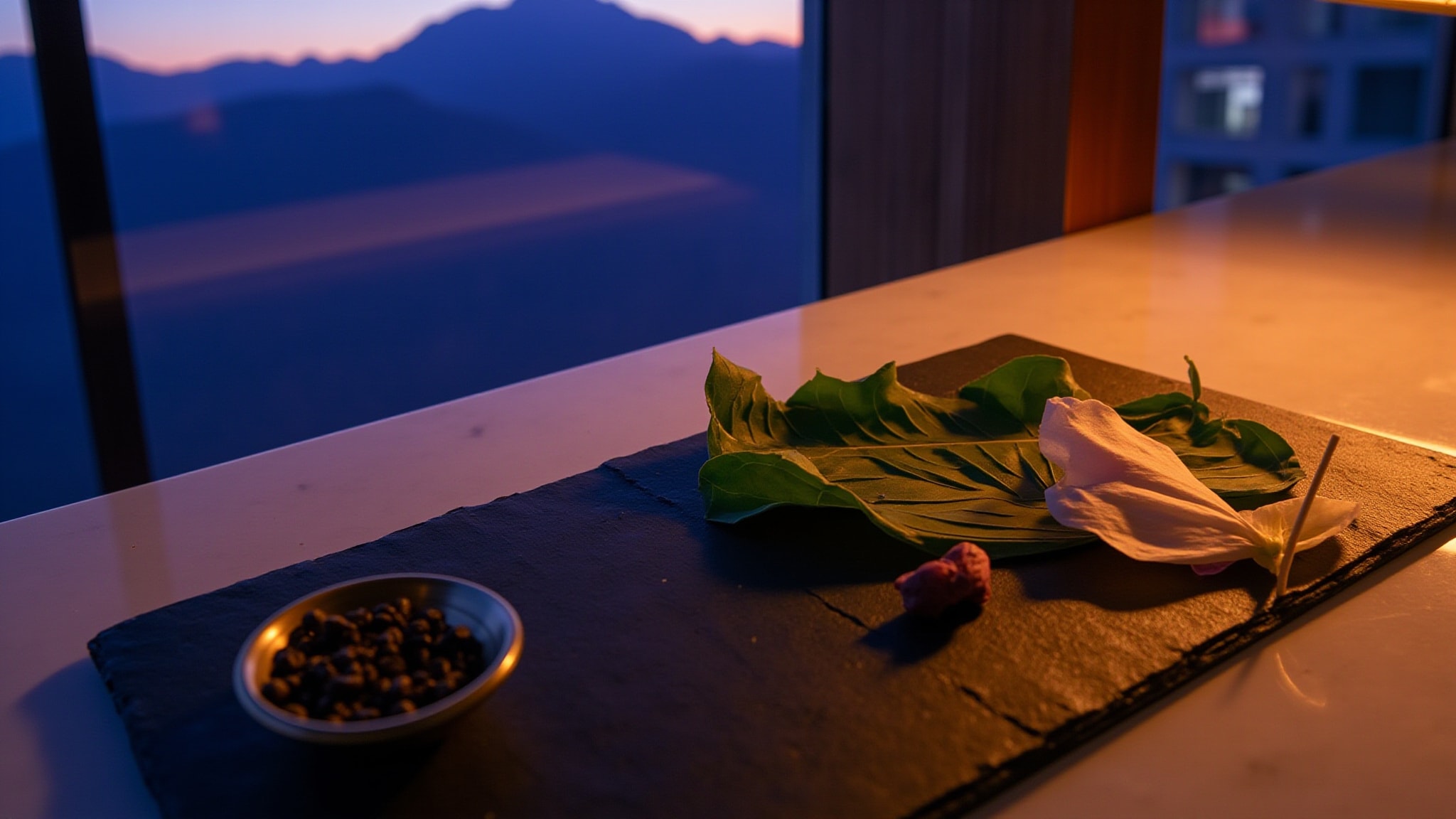
Kintu takes its name from a Quechua word meaning offering to the gods. In the Andean highlands, the kintu is still performed: three coca leaves arranged like a flower, laid down for the spirits of the mountains in exchange for blessings, protection, and a good harvest. The three leaves are not random. They represent three worlds, the gods above, the humans in the middle, and the dead below, and the act of laying them down is meant to keep all three in conversation. Mutis Nueva Granada translated that ritual into a 2022 composition built around resin, smoke, and altitude. Dominique Moellhausen composed it. The opening breathes green with galbanum, a sharp resinous edge that suggests altitude and the thin air of high páramo.
What makes Kintu unusual is the density of balsams stacked into one composition. Copaiba opens the door, galbanum keeps it green, then guaiac wood, Peru balsam, and tolu balsam build a resinous architecture through the heart that most fragrances would not dare to attempt. The rose threading through the middle is what saves it from becoming a one-note memorial. It adds a dried-petal quality, almost like something pressed between the pages of an old book, that keeps the composition from collapsing under the weight of its own resin.
The evolution
The first thirty minutes are deceptive. Black pepper and galbanum arrive sharp, almost like the air at altitude before a storm, green and prickly and brisk. Copaiba balsam sweetens the edges almost immediately, though, pulling the opening toward something warmer and more medicinal. There is a brief window, maybe the first hour, where the composition reads lighter than it is, almost approachable, before the heart fully opens. Once guaiac wood, patchouli, and the trio of balsams settle in, Kintu becomes a different animal. The rose shows up about ninety minutes in, dusty and almost afterthought-like, then persists through the long middle stretch. Peru balsam and tolu balsam create a thickness that feels architectural, like the inside of a stone building in cold weather. The patchouli underneath is dry rather than sweet, the kind that reads like bark rather than the hippie associations most people carry. The drydown is where the oud earns its place.
Cultural impact
Kintu wears like a ritual object rather than a seasonal release. It draws from Andean cosmology rather than Colombian terroir, and the density of its balsam stack gives it a gravity that most contemporary launches avoid. Wearers who gravitate toward it tend to already own resins, smoke, and oud, and they reach for it when they want something that takes the room seriously without demanding attention. The fragrance reads as offering rather than performance, a composition that assumes the wearer understands what kintu means and is willing to carry that weight.