The Story
Why it exists.
The beginning
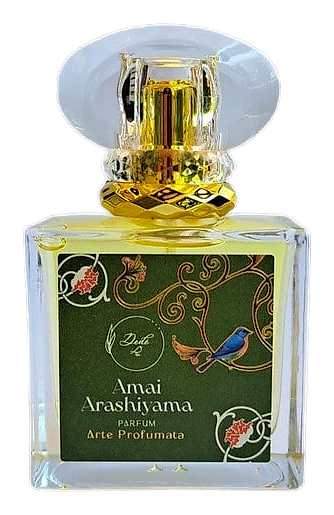
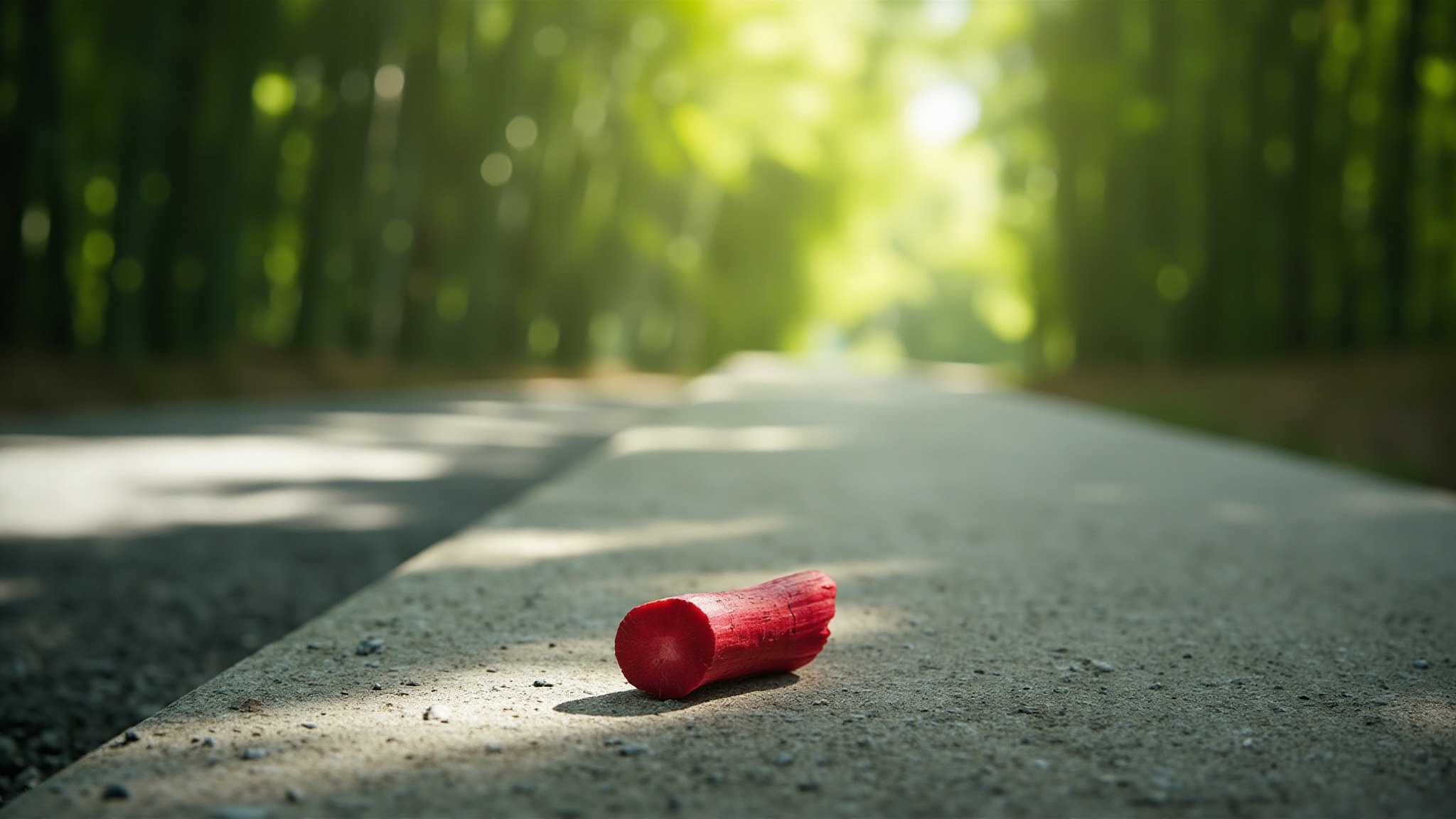
Amai Arashiyama takes its name from the famous bamboo forest in Kyoto, where the name means Sweet Arashiyama. Denise Meles created the 2022 release as an exploration of that place through scent, bringing together a lucid opening and a quietly expressive note structure. Calabrian bergamot and grapefruit establish the fragrance with brightness and clarity, while rhubarb introduces a tart, almost tonic edge. Bamboo and sugar cane shape the composition with a green presence and measured sweetness. The juxtaposition creates a balanced impression: crisp at first, softly rounded through the middle, and more textured in the final notes.
The central pairing is bamboo with sugar cane. Together, they create a distinctive balance between freshness and sweetness, with each note contributing a different texture. Citrus and rhubarb bring a lively, tart quality to the composition, while the woody, resinous base gives it depth and structure. Amai Arashiyama can be explored as a study in contrasts, beginning with brightness before settling into warmer, more grounded notes. The fragrance reveals itself gradually, offering enough variation to remain interesting on the skin without relying on a single dominant impression.
The evolution
The first impression is lucid and citrus-led, with bergamot and grapefruit sparkling around the tart snap of rhubarb. Bamboo introduces a green, watery quality that softens the brightness while preserving its clarity. Sugar cane contributes a smooth sweetness, rounded by the freshness around it rather than reading as overtly sugary. The composition then develops through its woody and resinous notes, gaining texture as the initial brightness becomes less pronounced. Cedar introduces a dry grain, incense adds a faint smoky veil, and amber brings a soft warmth. Together, these notes create a nuanced evolution that moves from crisp and airy to deeper and more enveloping.
Cultural impact
Amai Arashiyama connects the sensory impression of bamboo with a contemporary approach to fragrance composition. Bergamot, grapefruit, and rhubarb lend the opening a crisp energy, while bamboo and sugar cane introduce contrasting textures that reward close attention. The later notes of cedar, incense, and amber bring depth without obscuring the composition’s lighter character. For those drawn to fragrances that reveal themselves gradually, it offers a distinctive study in freshness, sweetness, and woody resonance.
The House
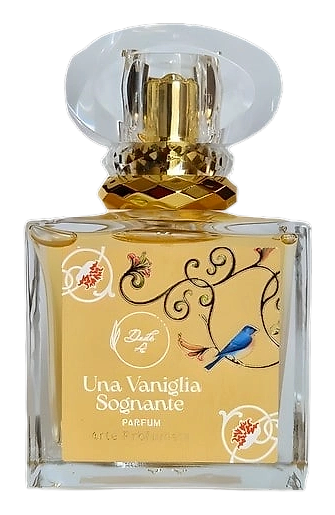
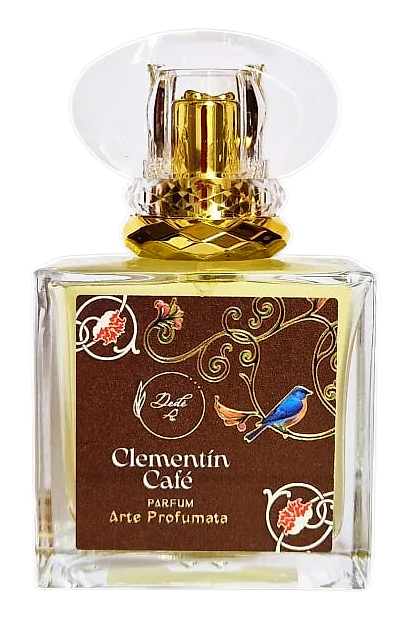
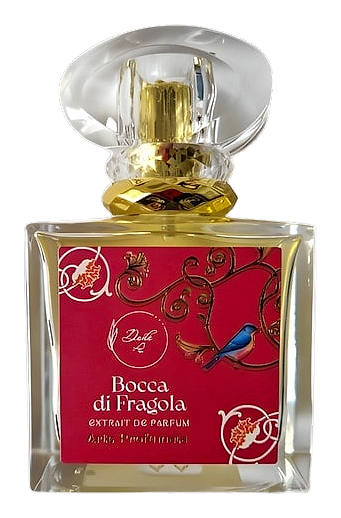
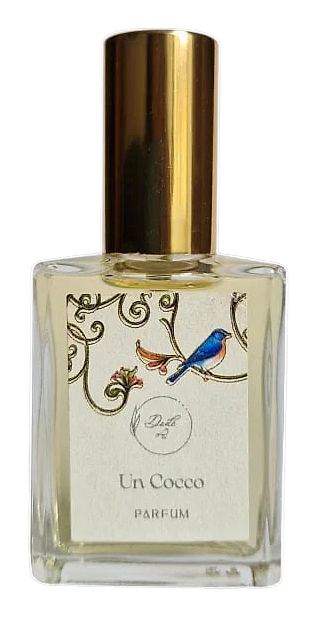
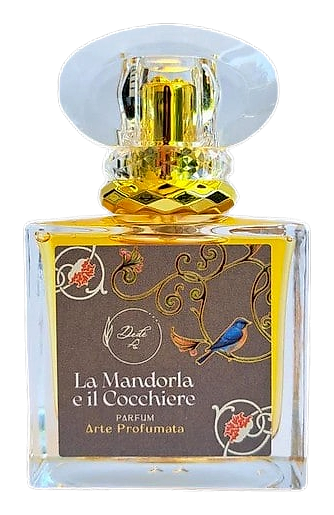
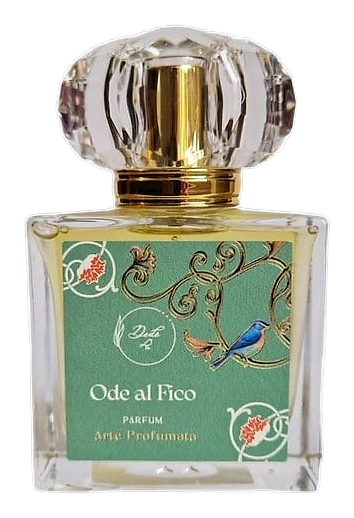
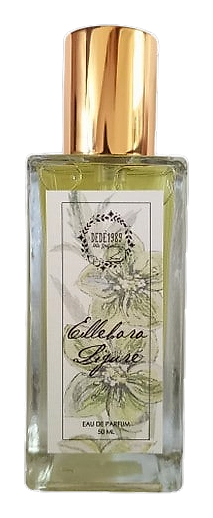
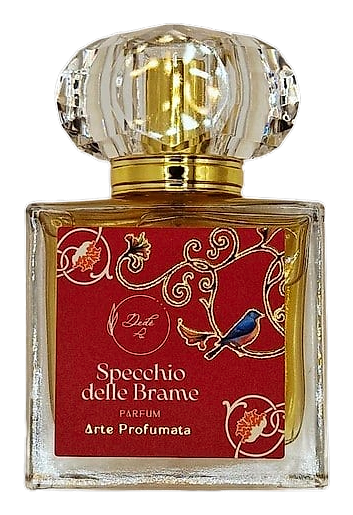
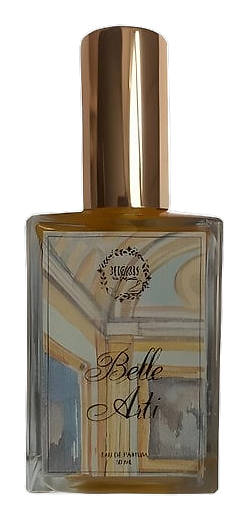
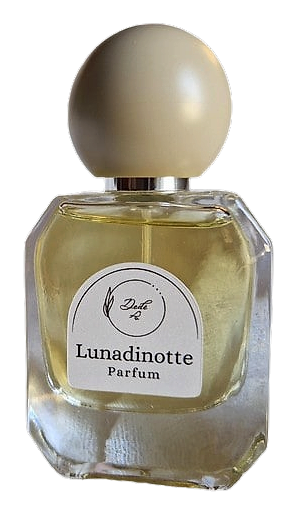
Dedé Arte ProfumataDedé Arte Profumata is an independent Italian perfume house that translates visual art into olfactory experiences. Founded by perfumer‑entrepreneur Denise Meles, the label releases a handful of niche scents each year, each one built around a single concept such as a fig tree, a Japanese garden or a sweet vanilla reverie. The brand positions itself as a laboratory of scent where a small studio, a handful of collaborators and a clear artistic brief converge to create fragrances that feel both intimate and cinematic. Its catalogue, which includes Ode al Fico (2025) and Amai Arashiyama (2022), has attracted collectors who value the personal touch of a formula written by a single nose.
The Creator
Denise MelesDenise favors a methodical layering technique, building each perfume from a clear base upward. She often starts with a mineral or woody foundation, then adds a heart of aromatic herbs or florals, and finishes with a bright, fleeting top.